
Refine by
Agriculture Practice Articles & Analysis
340 articles found

Source water protection is the practice of managing reservoir and intake quality before water reaches the treatment facility. ...

The increasing generation of agricultural residues, forestry byproducts, and organic waste has created significant challenges for waste biomass management. ...
Biomass residues, including agricultural byproducts, forestry waste, and organic industrial discards, contain latent energy that can be efficiently recovered through carbonization processes. ...
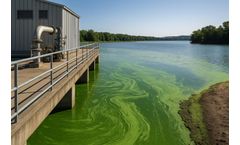
Early recognition hinges on monitoring with parameters described below.HAB Development Stages in ReservoirsStage 1 — Nutrient accumulation: Phosphorus and nitrogen accrue in water and sediments from agricultural runoff, urban runoff, wastewater discharges, and atmospheric deposition, setting the stage for growth.Stage 2 — Thermal stratification: Seasonal layering traps nutrients ...
As the demand for sustainable agricultural practices and environmental solutions continues to grow, biochar production equipment is undergoing significant innovations. ...
As demand for organic farming practices increases, the use of biochar is expected to rise. Additionally, biochar’s potential to increase agricultural resilience to climate change, especially in drought-prone regions, positions it as a key resource in global food security. ...
Additionally, long-term biochar application in farmland has been shown to reduce CH₄ emissions by 13.5% and nitrous oxide (N₂O) emissions by 21.4%, two potent greenhouse gases with far greater warming potential than CO₂.Beyond carbon sequestration, biochar plays a crucial role in restoring soil health, a critical foundation for sustainable agriculture and ecosystem stability. ...
Understanding Biochar and Its Role in Carbon Sequestration Biochar is a stable form of carbon that is produced through the pyrolysis of organic materials, such as agricultural waste, forestry residues, or even municipal solid waste. The process involves heating the feedstock in a low-oxygen environment to create a solid, carbon-rich material that can be used for soil enhancement ...

Abstract In agricultural production and post-harvest handling, inconsistent pathogen control is commonly attributed to environmental variability, application technique, or insufficient chemical strength. However, increasing evidence suggests that biofilm-mediated microbial protection plays a critical and often underappreciated role in treatment ...
Degraded soils and declining land productivity have become pressing concerns in agricultural landscapes. Agroforestry systems and rehabilitation programs increasingly turn to biochar as a restorative medium. ...
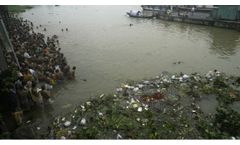
Every year, contaminated water kills more people than all forms of violence combined, including war. As we enter 2025, the global water crisis has reached extreme levels. Waterbodies around the globe are choking under toxic waste, industrial discharges, and untreated sewage. Have you ever wondered about the world’s most polluted river? River pollution represents one of the most pressing ...
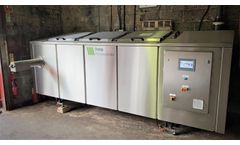
Meath County Council Takes Action on Sustainability with Harp Renewables As a forward-thinking local authority, Meath County Council is dedicated to building a more sustainable future for County Meath. The Council is committed to minimising its environmental footprint while providing valuable services to the community. Through initiatives like the creation of recycling centres in Navan, Trim, ...

Summary Ultrasound technology is revolutionary in controlling algae blooms and maintaining water quality without chemicals. Smart technologies, including advanced sensors and cloud-connected platforms, are essential for real-time monitoring of water quality, enabling proactive lake management. Climate change significantly impacts freshwater lakes, causing declining oxygen levels and ...

Summary Low dissolved oxygen (DO) is indicated by high plant abundance, slow-moving water, and the presence of organic waste. Excess nutrients and warm, stagnant water cause harmful algal blooms (HABs), leading to oxygen depletion in lakes. Oxygen depletion can trigger mass fish deaths and disrupt aquatic ecosystems, with ecological and economic consequences. AI and real-time monitoring can ...

Today, there are many innovative materials that offer solutions to the challenges faced in the construction industry and environmental engineering. Geomembrane, one of these materials, is a technological solution that exhibits excellent performance in waterproofing and has a wide range of uses in various ...

Understanding plant hormones is crucial for improving agricultural practices, enhancing crop sustainability, and bolstering resistance against adverse environmental conditions. ...

Massey Ferguson has played a pivotal role in transforming agriculture in Botswana. By providing reliable and efficient tractors, the company has enabled farmers to enhance productivity and modernize farming practices. ...
Feeding your plants is a fundamental aspect of nurturing a thriving garden, whether you’re aiming for a bountiful harvest or flourishing blooms. However, the choice of fertilizer significantly impacts the health of your plants and the environment. There are two primary types of fertilizers – organic and synthetic. In this article, we’ll delve into the pros and cons of each, ...
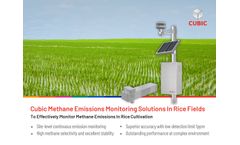
Rice fields are one of the main sources of methane emissions worldwide. About 8% of agricultural greenhouse gas emissions come from rice cultivation and rice fields account for 12% of global anthropogenic methane emissions, which has a significant impact on global climate change. ...
Among these, biochar carbon credit trade is emerging as a promising mechanism to incentivize sustainable practices while mitigating climate change. But why does it matter? This article delves into the significance of biochar in the carbon credit market, its environmental and economic benefits, and the challenges that need to be addressed. ...