
Refine by
Algae Bloom Articles & Analysis
465 articles found
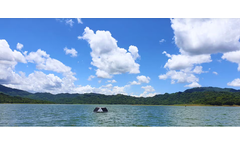
Algae entering the intake clog filter media. This reduces filter run times and increases backwash frequency. ...
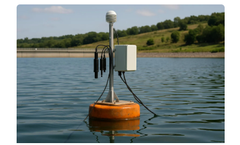
Some platforms also measure nutrients directly; for example phosphate concentration can predict bloom risk weeks before visible algae. Phosphate monitoring solutions offer early warning of nutrient loading that grab sampling would miss until densities spike. ...
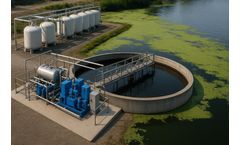
Nutrient levels vary with production processes and seasonality.Discharged nutrients fuel dense algal blooms that impair water quality. As algae die and decompose, oxygen levels drop in a process linked to eutrophication, which can affect aquatic life and create dead zones. ...
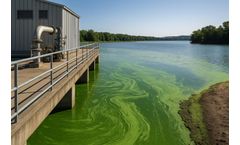
Essential parameters include chlorophyll-a (total algae), phycocyanin fluorescence (cyanobacteria-specific), dissolved oxygen profiles, temperature stratification, and nutrient concentrations. ...
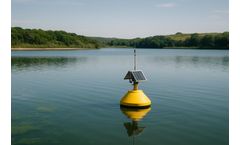
Executive Summary Chilmark Pond (200 acres) on Martha's Vineyard achieved 3× faster control of harmful algal blooms after deploying an MPC-Buoy in July 2025. Independent monitoring confirmed bloom dissipation in 8 days during the 2025 season, compared with 29 days in 2022 without intervention. ...
Algae blooms and rising treatment costs can follow, even when status indicators show green. ...

In 2012, three EnviroSonic ES300 ultrasonic units were installed across two solar-powered pontoons to address recurring blue-green algae (cyanobacteria) blooms. Each unit emits targeted ultrasonic frequencies that disrupt the buoyancy of algae cells, preventing their proliferation without the use of chemicals. ...
Success: The EnviroSonic units have successfully stablised the algae biovolume in the settlement ponds so that the treated water can be released for local irrigation. No chemicals have been required to control algal blooms since EnviroSonic was installed. ...

It underpins most harmful algal blooms, filter clogging in drinking water treatment, and recreational closures. ...
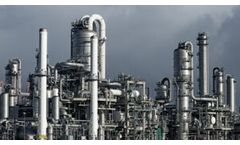
Chemical waste that has been improperly managed may contaminate water streams. This type of industrial water pollution, which comes with many causes, has both significant and harmful impacts on human and aquatic life. Environmental Compliance Equipment’s (ECE) CLEAR FLOW SYSTEM is designed to treat contaminated water. The Clear Flow system is a fully automated wastewater treatment process ...

Industrial water pollution is a widespread problem throughout the planet. When harmful chemicals and compounds are discharged into water, the water becomes unsuitable for drinking and other uses. Although most of the Earth’s surface is covered by water, we can only obtain fresh water from water bodies such as ponds, lakes, rivers, streams, and reservoirs. This means that it’s in our ...
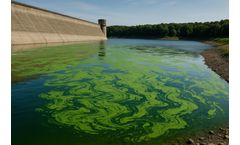
Water utilities in 2026 face accelerating operational pressures driven by climate volatility, regulatory tightening, and aging freshwater infrastructure. Seasonal planning and reactive treatment are no longer sufficient; utilities managing reservoirs and large surface water systems must confront risks that have built up over years. A unified, proactive approach is required to preserve drinking ...
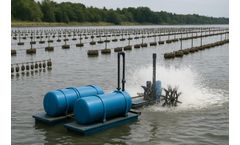
Oyster farming requires a clean water body that contains oxygen. However, coastal farms often experience low dissolved oxygen levels, which can reduce oyster growth and increase mortality and disease. Advanced oxygenation systems are being deployed to protect yield and improve water quality.Oyster Water Oxygenation and Disinfection Systems provide intelligent, rapid purification while maintaining ...
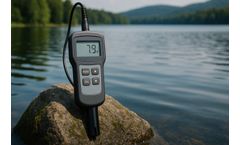
A detailed LG Sonic guide on pH and algae in industrial water is available for further context. Elevated afternoon pH together with rising pigment levels can indicate intensified bloom activity and greater treatment pressure. ...

Introduction A bloom doesn’t always arrive with a neat, predictable timeline. ...

Introduction When a lake or reservoir turns bright green, the issue is rarely “just algae.” Blooms can signal a shift in water quality that affects aquatic life, recreation, and the reliability of a community’s water supply. This guide explains the basics of freshwater blooms and the practical steps used to stop water ...
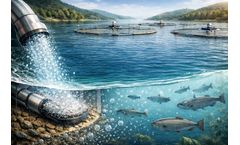
Fish farming is increasing worldwide. However, farmers have to struggle. Low oxygen levels, water pollution, and disease cause poor productivity. For this reason, more innovative solutions are now sought in modern farms. There is one innovation that is powerful today. Nanobubble Tech for fish farming is changing aquaculture practices on all levels. The technology enhances water quality. It ...

Introduction When people talk about water quality, they often focus on clarity or colour, but lake nutrients quietly shape almost everything that happens below the surface. A modest increase in nutrient loading can be the difference between a clear, oxygen-rich reservoir and one that drifts into chronic eutrophication with recurring algal blooms. For drinking water managers, understanding lake ...
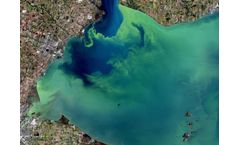
Blooms can seem to appear almost overnight, turning clear water into green streaks or scums, releasing toxins, and in the worst cases forcing closure of raw-water intakes or popular recreation areas. Algae are a normal part of freshwater food webs, but excess nutrients and a warming climate are tipping many lakes toward more frequent and intense ...

Running a lake or reservoir without good data can feel a bit like driving at night with the headlights dimmed. A water quality monitoring system gives operators a clearer view by turning occasional samples into a continuous story about the water. With online water quality monitoring in place, teams no longer wait for weekly laboratory results; they can watch how temperature, algae and dissolved ...