
Refine by
Algae Control System Articles & Analysis
65 articles found
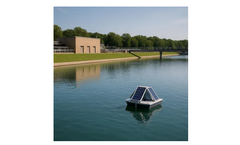
In June 2026 a peer-reviewed article in AWWA Opflow documents sedimentation-basin algae control using an LG Sonic ultrasonic system at Central Alabama Water's Shades Mountain Filter Plant in Birmingham, Alabama. The system was installed in April 2024. After roughly one year, the seasonal filamentous algae along ...
The MPC-Buoy ultrasonic algae control system can appear to operate normally while transducer biofouling silently disables treatment. ...
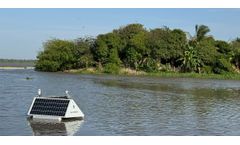
E.S.P., the utility supplying drinking water to approximately 15 municipalities in the Barranquilla region, has installed two MPC-Buoys at the Dársena Río Magdalena, a river intake on the Magdalena River, to address algae at the source before treatment.Context: Algae risk at river intakesThe Magdalena River is Colombia's primary freshwater source for Barranquilla ...

Water quality management is a significant challenge worldwide. There is oxygen depletion, algae proliferation, and decreased water quality. But modern science provides a strong solution. The nanobubble water treatment reservoir method provides a long-term water improvement solution with minimal energy consumption. Less than 200 nanometers is the diameter of nanobubbles. Their size keeps them ...

The contemporary world presents complex challenges to water managers. Algal blooms multiply rapidly, expand, and disrupt the natural balance. Nearly every ancient approach is lagging. But a new turn is taking place. Ultrasonic waves are a latest innovative, non-chemical method for controlling algae in ponds, lagoons, and reservoirs. This method is consistent, and it also safeguards aquatic life. ...

The algae growth has been a threat to ponds, lakes, lagoons, and most industrial water systems. ...
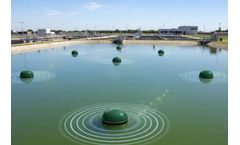
Algae causes many problems in wastewater systems. They clog screens and reduce oxygen. They raise operating costs. Often, conventional fixes use heavy chemicals. Those chemicals harm aquatic life and add expense. A newer option uses sound to fight algae. This method offers chemical-free algae removal and saves money. It also fits industrial algae treatment needs. Below is a clear guide for ...
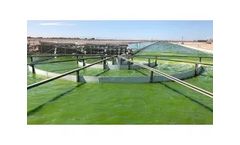
Algae & Operational Challenges Algae, microscopic organisms found in surface waters, can create significant operational challenges for power plants that depend on lakes, reservoirs, or cooling ponds for their water supply. How algae impact power plant operations is a broad subject and understand this is very crucial. Blue green algae are a common culprit in harmful algal blooms and can ...
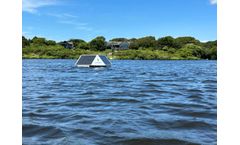
In a significant step toward restoring water quality, the Chilmark Pond Foundation has installed the ultrasonic buoys in the middle section of Chilmark Pond, a 200-acre waterbody on Martha’s Vineyard known for recurring cyanobacteria ...

From immaculate golf course water features to farm irrigation ponds and commercial-scale reservoirs, having clean and healthy water is important. Algae blooms—particularly unattractive green slime or toxic blooms—can compromise water quality, clog equipment, deter guests, and even harm aquatic organisms. Old-fashioned controls such as chemical algaecides provide short-term solutions ...

Summary Industrial operations contribute significantly to water pollution. This is primarily through the discharge of wastewater containing heavy metals and organic pollutants. Hence, water quality degrades and harms aquatic ecosystems. Monitoring and managing contaminants such as heavy metals and phosphates is crucial for protecting water quality. This helps prevent the harmful health effects ...
Traditional algae control methods lose effectiveness as algae develop resistance. Interactive algae control uses ultrasound with dynamic frequency adjustment to target diverse algal species. The MPC-Buoy with Interactive Algae Control combines real-time monitoring and adaptive ...
Keeping a pond environment healthy and clean can be demanding, particularly when algae blooms turn out to be too much. You may have a garden pond for aesthetics, a koi pond, or a commercial water body, but pond algae control is essential to have healthy water as well as to make it look beautiful. Of all the pond algae control methods, algae control ultrasonic is fast turning out to be the most ...

Algae can significantly increase power generation costs by obstructing water flow and causing equipment wear. This article explores how algae-free systems can contribute to reducing power generation costs with algae free systems through innovative technologies like ultrasonic technologies and real-time ...

When it comes to controlling algae growth in lakes, reservoirs, and large water bodies, the MPC-Buoy technology is a trusted solution worldwide. But what truly sets the MPC-Buoy algae solution systems apart is its AquaWiper, a self-cleaning system designed to maintain the effectiveness of our ultrasound ...

The dangers that come with algal blooms As we move deeper into 2025, the challenges surrounding algae management in recreational lakes continue to demand innovative solutions. Algae blooms are often fueled by nutrient pollution and climate change. They threaten not just water quality but also the economic and recreational value of lakes. For lake managers and recreational companies, the need for ...

Summary Drinking water systems face challenges like harmful algal blooms (HABs), harmful byproducts (DBPs), and stricter regulations. ...
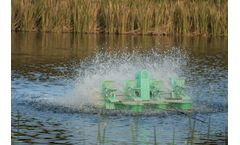
One of the more difficult tasks in caring for large ponds, lakes, or other bodies of water is to keep the water healthy and clear. Algae growth, oxygen depletion, and water stagnation are just some of the problems that may so easily arise with larger bodies of water. A very effective solution to these problems includes a large pond aerator system that promotes better quality of water and ...
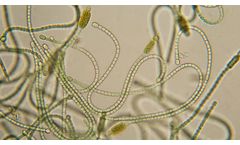
Cyanotoxins are toxic substances produced by cyanobacteria, or blue-green algae, which can proliferate in water bodies under conditions like high nutrient levels and warm temperatures. There are over 1,118 different cyanotoxins identified globally in freshwater environments across 66 countries, illustrating the widespread nature of this ...

Cyanobacteria, or blue-green algae, is the organism that primarily produces microcystin in a Harmful Algal Bloom (HABs). The reason cyanobacteria produce toxins is still being studied, but nevertheless, is a problem that requires careful consideration to manage and ...