
Refine by
Biomass Processing Articles & Analysis
310 articles found
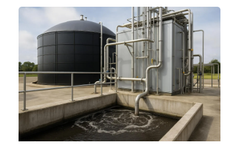
Fluence's externally forced circulation (EFC) approach enhances process stability and biomass retention, enabling reliable pretreatment before discharge to POTWs and improving overall compliance performance.The Shift from Traditional Digestion to Industrial PretreatmentAnaerobic digestion is frequently associated with municipal solids handling and biogas ...

The Growing Importance of Waste Biomass Management Biomass waste is generated from numerous sources, including crop straw, rice husks, coconut shells, sawdust, wood chips, bamboo residues, and forestry waste. ...
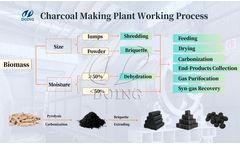
As market demand for high quality machine-made charcoal and biomass fuels steadily increases, many investors have turned their attention to the charcoal production industry. ...
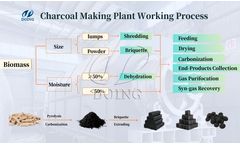
Biocoal Manufacturing Process: Biomass raw materials, such as wood chips, crop stalks, and rice husks, are first pulverized and dried. ...
Biochar has gained significant attention in recent years due to its environmental benefits, including carbon sequestration, soil improvement, and waste biomass utilization. For businesses and investors operating a biochar production machine, one of the most important performance indicators is biochar yield—the percentage of solid biochar obtained from the original ...
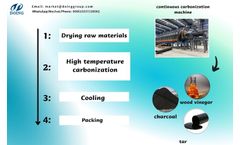
In the process of biomass resource recycling, biomass carbonization technology has garnered widespread attention for its ability to transform waste into high-value energy. ...
High internal moisture requires a prolonged endothermic phase, as substantial thermal energy must first be consumed just to drive off interstitial water.Thermal Penalties of Excess Moisture When unmanaged biomass enters the reactor, the internal temperature drops sharply. This initial deceleration delays the onset of actual pyrolytic cracking, which lengthens the total ...
Pre-Processing Solutions Our pre-processing line includes a Conveyorized Biomass Sorting, Drying, and Milling System — a complete biomass processing solution designed to optimize Cryogenic Ethanol Extraction from the same biomass.4. Post-Processing Solutions We are ...
The rice hull carbonizer transforms this biomass into high-value charcoal and biochar, creating a pathway for resource efficiency, waste reduction, and carbon sequestration within a circular economy framework. ...
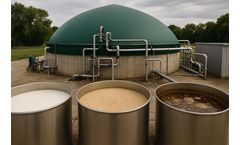
However, real-world dairy operations often face variable waste streams with high fat and suspended solids, which can lead to unstable biogas production, inefficient solids handling, and reduced process stability. What Is Recuperative Thickening? Recuperative thickening is a retrofit designed to improve microbial biomass control within existing anaerobic ...
This is achieved through several technological innovations that optimize the pyrolysis process. 1. Advanced Heating Systems Modern wood pyrolysis plants are equipped with advanced heating systems that ensure uniform and efficient thermal decomposition of the biomass. ...
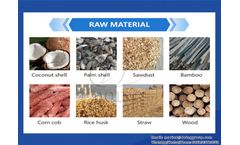
There are two primary reasons why installing charcoal-making machinery in Indonesia proves to be a profitable venture: I. Abundant Biomass Feedstocks: Lowering Production Costs Indonesia possesses vast and diverse biomass resources, providing natural cost advantage for charcoal production. ...
Derived from the thermal decomposition of biomass in an oxygen-limited environment—a process known as pyrolysis—biochar is a carbon-rich, porous substance that bridges the gap between waste management and environmental restoration, offering a range of ecological benefits that align with global sustainability goals.Biochar’s most significant contribution to ...
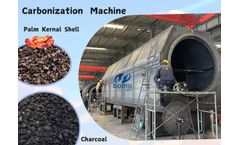
DOING biomass pyrolysis machine offers the following advantages: 1. Versatile Application Our series of carbonization machine is not only suitable for processing organic waste such as palm fruit empty fruit bunches, but can also handle various agricultural residues, such as sugarcane bagasse, rice straw, corn cobs, coconut shells, and fruit tree branches. It ...
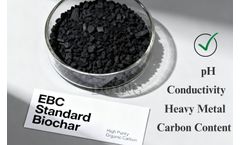
Biochar, essentially a carbon-rich material, is created by heating organic biomass in the absence of oxygen through a process known as pyrolysis. ...
Estimates suggest that for every ton of processed wood, up to 150 kilograms of sawdust is produced, totaling millions of tons worldwide. ...
Biochar yield is one of the most important performance indicators of a biomass pyrolysis system. It reflects how efficiently the equipment converts raw biomass into stable carbon products. ...
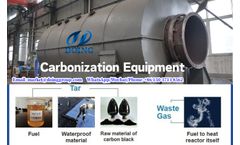
Biomass pyrolysis is a process that heats organic matter (such as wood, agricultural, and forestry waste) to high temperatures, causing it to decompose in an oxygen-free or low-oxygen environment. ...
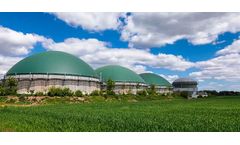
Here’s how recuperative thickening with a sidestream loop can be a game changer for your enterprise Industrial operations that use anaerobic digestion to treat high-strength organic waste often face a dilemma, that is, whether to expand digester volume or push existing units harder. Recuperative thickening offers a third option. It involves retrofitting an existing digester with a ...
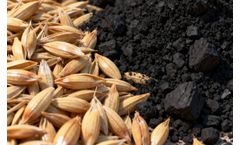
It is generally recommended to pre-dry the rice husks to a lower moisture content (the optimal carbonization range is 12%-15%) to reduce energy consumption during the subsequent carbonization process and ensure a smooth carbonization process. Pretreatment of rice husks before carbonization is not a complex process, but it directly impacts the ...