
Refine by
Blight Articles & Analysis
48 articles found
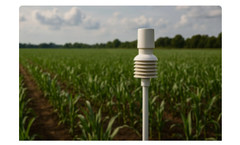
Rice / Paddy: Optimal RH 70–90%; critical during flowering; risk to pollination below threshold; blast disease and sheath blight risk above threshold. Maize / Corn: Optimal RH 50–80%; critical at tasselling; risk of heat stress and pollen viability loss below threshold; gray leaf spot and northern leaf blight risk above threshold. ...
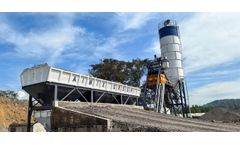
The elimination of the characteristic industrial drone also removes a psychological blight, changing the plant’s presence from an audible intrusion to a visually managed industrial asset. ...

Whether causing vascular wilts, root rots, or foliar blights, fungal species often remain undetected until damage is widespread. ...

Overview Bayview is an unincorporated community located on the eastern shore of VA, in Northampton County. This once impoverished town was the site of a major wastewater redevelopment project that changed the lives of many. After residents prevented the construction of a new maximum-security prison in their community in 1998, they created the Bayview Citizens for Social Justice. The group ...

A lack of irrigation can cause blight because plants are straining to absorb scarce water through their roots, leaving no energy left over to mature and grow good crops. ...
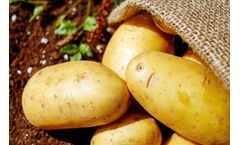
The crop also suffers from pests, as well as some viral diseases such as late blight. Late blight was the cause of the Irish potato famine. The starch content in potato tubers is a major factor in determining potato use. ...

The production declined due to a decrease in area cultivated, dry weather, shortage of water, delayed sowing, low plant population, imbalance fertilizer use, and disease attack especially rice blast and bacterial leaf blight (Chaudhary et al., 2009). Before the introduction of new high-yielding fertilizer responsive varieties and intensive use of nitrogen, the soils were not ...

Today, Irish farmers know how fungicides have helped ensure that potato late blight remains a distant memory. Agriculture has come a long way since the nineteenth century, but as farmers you are still dealing with unpredictable weather, evolving pests, natural resource limitations, volatile markets and shifting consumer expectations. ...

The piling mats were constructed using imported recycled materials (6F5 ). Part of the site had been blighted with Japanese Knotweed, these were excavated and removed from site in full accordance with the Environment Agency Code of Practice. ...

Nutritionally improved golden rice, biotech brinjal, late blight-resistant potato or potato ring and spot virus-resistant papaya are Genetically Modified (GM) crops for commercial cultivation. ...

Solution 2500+ Plots audited and geo tagged to find the actual plot area Remote Sensing and Weather Advisory helped in detection of dew point, rainfall, frost, blight and other challenges related to dehaulming Gathering Complete information from farmer registration till harvest end Scheduling and monitoring farm activities for complete traceability Educating farmers on ...

Late blight, caused by Phytophthora infestans, is the most important disease in potato production. Under favourable conditions the pathogen can destroy the potato foliage very rapidly and cause tuber blight. To avoid infection of the foliage, fungicides are frequently sprayed onto the crop. ...
ByMagGrow

Possibilities include using the devices to sniff out illegally traded wildlife at checkpoints along transportation routes and to detect the presence of DNA from rare species in the environment. Blight of the Bumblebees We tend to think of pollinating insects as our ecological friends, but in the wrong place nonnative bees can spell trouble instead by competing with native ...
ByEnsia

Global has been contracted by the Genesee County Land Bank Authority (GCLBA) to complete pre-demolition hazardous material and asbestos inspections on blighted structures located in the City of Flint beginning in 2002 and continuing through the present. In March and November 2013, Global was awarded multiple contracts from GCLBA, which utilize MBEG and HHF funding sources to ...
Since then, in the race to fend off fungal diseases like tomato blight and insects like the potato beetle, pesticides have gotten stronger. ...
ByEnsia

Additional Pest Management Details: Evaluate cultural, biological and chemical methods to reduce the incidence of soil borne diseases and blight. Tender Fruit Increase labour and operational efficiencies. ...

In addition to the hydroseeding works, we also planted over 6,000 bare root trees and shrubs across the site, helping transform the once blighted land into a new woodland habitat that encourages the local wildlife. ...

In history, some plant diseases led to tremendous negative impacts on society. In 1845, potato blight disease was prevalent in all potato growing regions in Ireland. ...

According to a report commissioned by the Environmental Services Association Education Trust (ESAET) and written by written by Eunomia Research & Consulting, the problem of crime in the waste and resource sector is a growing blight on our society and, although not a new issue, the rewards for such activity are far greater than ever before. ...

The crop enemies investigated were: weeds for corn (Zea mays); and for apple orchard (Malus pumila), three insect pests (codling moth (Cydia pomonella), plum curculio (Conotrachelus nenuphar) and apple maggot (Rhagoletis pomonella)) and two diseases (apple scab (Venturia inaequalis) and fire blight (Erwinia amylovora)). A total of 23 climate simulations, 19 sites, and 11 active ...