
Refine by
Chlorinated Oxidizer Articles & Analysis
110 articles found
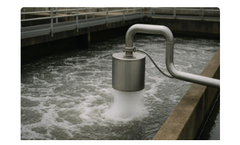
The limitations of traditional chemicals Chemicals have been used for decades to control water quality in industries. Chlorine, biocides, coagulants, and oxidizers remain common, but they have drawbacks. ...
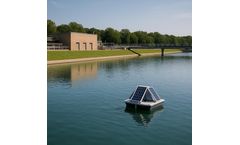
While growth was persistent rather than explosive, it created downstream challenges, including algae carryover into filters, higher head loss, shortened filter runs, and increased chlorine demand, complicating maintenance of a post-filtration free-chlorine residual of 0.5 mg/L. ...

The previous TurboScrubber unit absorbed H2S to 99.997% efficiency into NaOH to handle Chlorine & Chlorine Di- oxide emissions from process ...
Did you know that in addition to its disinfection and sterilization properties, hypochlorous acid disinfectant has so many powerful functions? Today we will explain them in detail for ...

Limitations of Conventional Disinfectants Conventional methods like chlorination and ozonation are widely used in wastewater treatment. These oxidants/disinfectants struggle to neutralize certain emerging contaminants and pathogens. ...
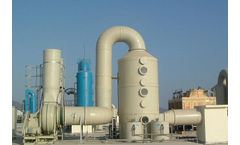
Tower bottom: refers to the combination of water tank, water pump and air inlet, mainly the gas from bottom to top, and the liquid of spray circulating liquid from top to bottom two-phase countercurrent to produce the neutralization reaction liquid falling into the bottom of the tower.Application of stainless steel wet scrubber:It can be applied to: various material manufacturing industries, ...

Today we will explore the causes of a Manganese spike in drinking water. Oxidation States of Manganese in Water Manganese (Mn) from surface water sources is a persistent problem at water treatment plants as soluble forms of inorganic and organically bound Mn are difficult to remove by conventional treatment techniques. Specifically, a significant proportion of soluble Mn will ...
ByCoftec
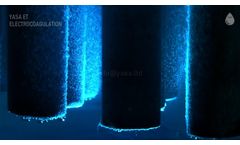
The sludge settles at the bottom of the electrocoagulation reactor, while the flocs float at the top. What is Electro-oxidation (EO)? Electro-oxidation (EO), also known as anodic oxidation or electrochemical oxidation, is a technique used for wastewater treatment, mainly for industrial effluents, and is a type of advanced ...
ByYASA ET
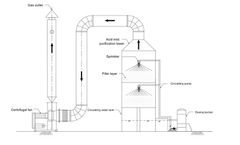
Some of the many chemicals that may require the use of a fume scrubber include: ammonia acetic acid sulfuric acid Nitric acid sulfur dioxide chlorine hydrogen bromide Nitrogen oxides hydrochloric acid silica Phosphoric acid bromine Sodium hypochlorite Even if you only use small amounts of these chemicals, acid scrubbers are necessary to effectively mitigate or ...

It can be formed from atmospheric reactions of chlorine-containing compounds with NO2 and through oxidation of chlorides in presence of strong oxidants in the atmosphere such as ozone. ...

Many chemists that utilize Karl Fischer titration are nervous about the presence of side reactions because they know that the water determination in their samples can only be specific without any side reactions. Other KFT users do not know what the possible side reactions are and therefore may obtain incorrect ...

This is performed by using a tertiary wastewater treatment facility followed by advanced water purification (AWP) which includes; Reverse Osmosis (RO), UV/advanced oxidation and free chlorine disinfection. RO is the core technology of AWP providing a physical barrier to waterborne pathogens and dissolved constituents. ...

Chlorine is a strong oxidant that under normal conditions and in its pure state forms dichlorine, a yellow-greenish toxic gas formed by diatomic molecules (Cl2) about 2.5 times heavier than air, with an unpleasant and toxic odor. ...

The environment in a refinery is highly corrosive, which makes it necessary to implement control systems not only to protect people but also the equipment that controls the processes to ensure their reliability. Bioconservacion has equipment specially designed for the safety of people, to protect against corrosion in control rooms and cabinet pressurization equipment. Some CEPSA refineries in ...
Wastewater with a mass concentration of phenol below 300mg/L can be treated by biological oxidation, chemical oxidation, physical and chemical oxidation and other methods before being discharged or recycled. ...
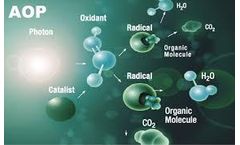
What is Advanced Oxidation Disinfection? In an overview, advanced oxidation disinfection is a specific treatment process designed to oxidize, disinfect, and remove organic and certain inorganic contaminants from water and wastewater through the generation of hydroxyl radical (OH) and other specific compounds. What is ...
It is also flammable and reacts vigorously with oxygen, acetylene, chlorine, fluorine, and nitrous oxide. Also, it is slightly soluble in water, blood serum, and plasma. ...

The Cause Disinfectants and sanitizers usually fall into one of three categories: Strong oxidizers (chlorine, ozone, peracetic acid) Quats (quaternary ammonium compounds) Alcohols (isopropyl or ethyl alcohol) Strong oxidizers generally react with organic matter quickly and may be inactivated during equalization or anaerobic/anoxic ...
The Cause Disinfectants and sanitizers usually fall into one of three categories: Strong oxidizers (chlorine, ozone, peracetic acid) Quats(quaternary ammonium compounds) Alcohols (isopropyl or ethyl alcohol) Strong oxidizers generally reactwith organic matter quickly and may be inactivated during equalization or anaerobic/anoxic ...
It is preferred because of the oxidizing nature of chlorine which helps in in water treatment and its purification. Preferably used on a large scale for surface cleaning, bleaching and odor removal, Chlorine reacts with microorganisms and oxidizes them, disallowing their growth and replication for a considerable period of time. ...