
Refine by
Clean Air Articles & Analysis
1,203 articles found
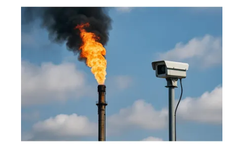
Financial Protection Under Subpart W and Clean Air Act AuditsEliminating enforcement risks: under Section 114 of the Clean Air Act, penalties escalate for flare-performance violations, including unlit or inefficient operation, with potential multi-ten thousand dollar per day penalties and mandatory capital expenditures to ...
ByOPGAL

Jakarta faces severe air quality challenges due to rapid urbanization, industrial activities, and vehicular emissions. Levels of pollutants like PM2.5, which pose critical risks to human health, regularly exceed Indonesia’s Ambient Air Quality Standards and the World Health Organization’s recommendations. Residents are at increased risk for respiratory diseases, cardiovascular issues, ...
ByENVEA

Processes like coating and workshop general ventilation mostly feature large air volume and low concentration, leading to extremely high investment and operation costs if direct combustion is applied. ...
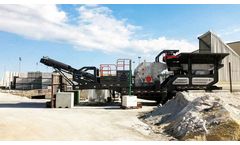
Regular care prevents unexpected breakdowns and preserves your equipment's value. First, clean or replace the main air filters after every operational shift. Clean filters keep the engine running cool and preserve fuel efficiency. ...
Project Background: Betely Photovoltaic Material Manufacturing Facility Betely New Materials is a Chinese manufacturer specializing in advanced materials used across the photovoltaic, electronics, and new energy industries.Its major products include:Photovoltaic Silver Powder Conductive Silver Paste Conductive Materials Silicone Resins Precious Metal Catalysts Electronic Chemicals As production ...
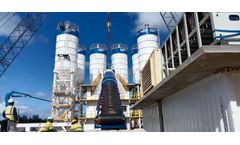
Negative pressure ventilation within the enclosed structure, directing all internal air through centralized filtration before discharge, ensures that the enclosure itself does not become a pressurized dust source through leakage at access points.Cement and Cementitious Material Handling Enclosure Cement and supplementary cementitious materials — fly ash, ground granulated ...

Gravure printing, flexible packaging printing, laminating, coating, and converting processes rely heavily on solvent-based inks, adhesives, and coatings that release significant amounts of VOCs during production.Without proper treatment, these emissions contribute to air pollution, ozone formation, and health risks while exposing manufacturers to environmental compliance ...

Introduction Soldering operations in electronics manufacturing generate more than just visible smoke. When flux compounds are heated during soldering, they release volatile organic compounds (VOCs), resin vapors, odors, and fine airborne contaminants that can accumulate rapidly in enclosed workspaces. While particulate filters capture smoke particles, gaseous contaminants require a different ...
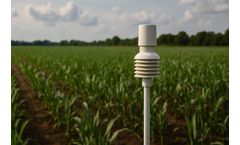
Low RH raises vapor pressure deficit (VPD) between the plant and ambient air, increasing transpiration and water loss. High RH lowers VPD and reduces transpiration. ...
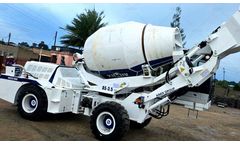
Regular lubrication prevents high friction. Additionally, clean the air filters regularly to prevent engine damage from dust. These simple tasks extend machine life. ...
Introduction Soldering operations in electronics manufacturing generate fumes that contain flux vapors, fine particulate matter, and volatile organic compounds (VOCs). These fumes are released directly into the operator’s breathing zone and can quickly accumulate in enclosed workspaces if not controlled effectively. ...
Introduction Soldering is a critical process in electronics manufacturing, PCB assembly, and repair operations. While the process itself appears relatively clean compared to heavy industrial applications, soldering generates airborne contaminants that can accumulate rapidly in enclosed workspaces. These fumes are primarily produced when flux compounds are heated during soldering and may contain ...
Best Solution for Large-Airflow, Low-Concentration VOC Exhaust Recommended Technology Combination For large airflow and low VOC concentration applications, the most widely adopted and cost-effective solution globally is:Adsorption Concentration + Thermal Oxidation Typical configurations include:Zeolite Rotor + RTO Zeolite Rotor + RCO Activated Carbon + Catalytic Oxidizer Working Principle ...
Instead of destroying these valuable compounds through combustion, a recovery system physically separates the solvents from the air, purifies them, and allows them to be reused directly in the production process. ...
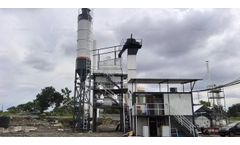
Advanced Emission Filters Prevent Costly Environmental Compliance Penalties Operating a high-capacity production facility near urban centers or protected ecological zones requires strict adherence to stringent clean-air mandates. A high-specification asphalt batching plant addresses this challenge through advanced baghouse emission filters equipped with ...
ByMacroad
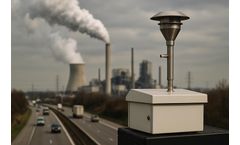
Particulate matter (PM) pollution remains a major air quality challenge worldwide. Source apportionment links measured PM to contributing sources such as traffic, biomass burning, or industrial emissions, enabling targeted control strategies and assessment of policy effectiveness.For policymakers, source apportionment supports targeted emission reductions, evaluation of current ...

Regulatory Reference Points by Region United States (EPA) Fenceline monitoring for specific pollutants is anchored in the Clean Air Act. An action level for benzene near refineries is defined as an annual average limit of 9 µg/m³, triggering investigation and corrective action when exceeded. ...
Introduction Electronics manufacturing processes such as manual soldering, wave soldering, and rework operations generate fumes containing flux vapors, fine particulate matter, and volatile organic compounds (VOCs). Although soldering fumes may appear less intense than welding fumes, prolonged exposure in enclosed workspaces can significantly affect indoor air quality and operator health. ...
Regulatory Reference Points by Region United States (EPA) Fenceline monitoring for specific pollutants is anchored in the Clean Air Act. An action level for benzene near refineries is defined as an annual average limit of 9 µg/m³, triggering investigation and corrective action when exceeded. ...
Regulatory Reference Points by Region United States (EPA) Fenceline monitoring for specific pollutants is anchored in the Clean Air Act. An action level for benzene near refineries is defined as an annual average limit of 9 µg/m³, triggering investigation and corrective action when exceeded. ...