
Refine by
Combustion Temperature Articles & Analysis
176 articles found

A Direct Fired Thermal Oxidizer (DFTO) is a VOC destruction system that uses a high-temperature combustion chamber to oxidize volatile organic compounds into carbon dioxide (CO₂) and water vapor (H₂O).Unlike Regenerative Thermal Oxidizers (RTOs), DFTO systems do not use ceramic heat storage beds. ...
Hazardous waste streams such as:Electroplating sludge Chemical residues Metal smelting waste Industrial solid waste Pyrolysis by-products typically produce exhaust gases with several treatment challenges:High CO Concentrations Carbon monoxide concentrations often range from 3,000 to 10,000 mg/m³, creating both environmental and safety concerns.Multiple Pollutants in One Exhaust Stream A single ...
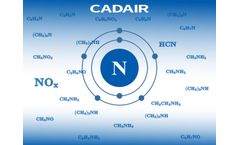
Specific Technologies and Differences: Direct Combustion (TO) Reaction temperature: 680-820℃ Core features: Direct high-temperature oxidation, no regenerator, high energy consumption Applicable conditions: High-concentration (high calorific value) waste gases, generally used as an auxiliary means or for treating high-concentration waste gases ...
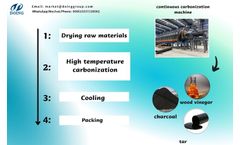
Impact on the Quality of the Finished Biomass Charcoal Under high-temperature conditions, high-moisture materials instantly generate large quantities of hot steam. ...

A modern waste tyre recycling pyrolysis plant transforms end-of-life tyres into pyrolysis oil, recovered carbon black, combustible gas, and recyclable steel through thermochemical decomposition in oxygen-deficient conditions. ...

Furnace Body Insulation and Heat Storage Optimization Thicken the furnace body insulation layer and replace high-temperature resistant seals to reduce furnace body heat dissipation loss; replace high-quality honeycomb ceramic heat accumulators to improve heat recovery efficiency, reduce heat penetration loss and lower the natural gas consumption for constant ...
Wood waste carbonization is a thermochemical process that converts raw wood residues into valuable products such as charcoal or biochar. Unlike simple combustion, carbonization carefully controls temperature and oxygen levels to preserve the carbon content of the wood while generating energy-rich byproducts. ...
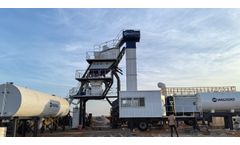
Environmental consultants reviewing portable asphalt plant for sale filtration specifications for green-zone authorization should verify membrane media specification alongside baghouse capacity and cleaning mechanism design. Low-NOx Burner Design and Combustion Emission Compliance NOx emission compliance for urban green-zone portable asphalt plant for sale operation requires ...
ByMacroad
Safety and Risk Management Flammable and toxic solvents such as NMP require advanced safety design, temperature control, and explosion prevention measures. Recommended VOC Treatment Solutions for 3C Electronics Manufacturing To address the unique challenges of electronics manufacturing VOC emissions, CADAIR recommends integrated systems centered around: Zeolite Rotor ...
During this process, materials such as waste tires, plastics, and biomass are subjected to high temperatures, breaking them down into valuable byproducts such as bio-oil, syngas, and char. ...

Combustion-based Equipment: Emissions from incomplete combustion of fuels in heating systems such as boilers, furnaces, and backup diesel generators.Welding and Thermal Processes: Soot particles and byproducts from incomplete combustion during welding, laser cutting, and thermal fabrication processes.Paint Shops and Curing Ovens: Particulate ...
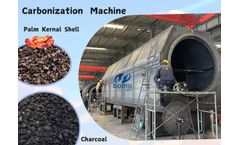
· Incineration: Empty palm fruit bunches can also be converted into energy through high-temperature combustion, reducing waste backlogs. This method offers the advantage of efficient energy recovery, but requires specialized equipment for efficient combustion. · Carbonization: Carbonization machine uses ...

The former has lubricity, thermal conductivity, and good high-temperature performance. The latter is also in thermodynamic equilibrium at room temperature and pressure.Application of Hexagonal Boron Nitridehttps://www.eticeramics.com/Hexagonal boron nitride is a material with high-temperature resistance, corrosion resistance, high thermal ...
This property is particularly advantageous in the production of high-grade iron, steel, and ferroalloys, where impurity control determines final product quality. Thermal Efficiency and Combustion Properties Charcoal exhibits excellent combustion stability, with consistent calorific values ranging from 28 to 33 MJ/kg. Its porosity promotes superior airflow during ...
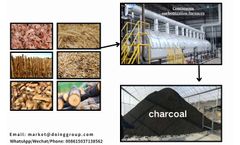
Dried wood is fed into a carbonization furnace or reactor, where it undergoes pyrolysis under oxygen-deficient (oxygen-limited) and high-temperature conditions. The temperature is typically controlled within a specific range, with the wood typically heated to high temperatures (400-600°C) to ensure the decomposition of organic matter while ...

For example, the Selective Catalytic Reduction (SCR) uses AdBlue to neutralise nitrogen oxides whilst the exhaust gas recirculation (EGR) lowers combustion temperatures and reduces nitrogen oxides. It is incredibly important to maintain after treatment systems such as DPF's, and any damage or tampering could result in compliance failures. ...
Occupational Health and Safety A pyrolysis facility operates at elevated temperatures and involves combustible gases. Regulators therefore mandate comprehensive safety systems. ...
Thermal Oxidation and Condensation Thermal oxidation is employed to decompose volatile organic compounds that escape initial filtration. High-temperature combustion chambers convert hydrocarbons into carbon dioxide and water vapor, drastically reducing odorous emissions. ...

Key Pollutants from Jet Engine Combustion: PollutantSourceImpact Ultrafine Particles (UFPs) Jet fuel combustion Penetrates deep into lungs; oxidative stress on cells. Nitrogen Oxides (NOx) High-temperature combustion Reacts with VOCs to form ground-level ozone, a respiratory irritant. ...
The gasification process involves several key stages: drying, pyrolysis (the breakdown of organic material at high temperatures), combustion, and reduction. Unlike traditional combustion, where biomass is fully burned, gasification partially oxidizes the biomass, allowing for the extraction of usable gases. ...