
Refine by
Crop Condition Articles & Analysis
122 articles found
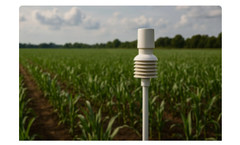
Irrigation inefficiency: Estimates suggest 30–40% of irrigation water is lost due to over-application or fixed schedules, underscoring the need for crop-specific water indicators under current conditions. What Are Humidity Sensors, and How They Work? ...

These characteristics can help improve crop productivity, particularly in degraded or nutrient-deficient soils. ...
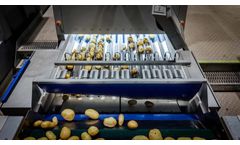
Potato processing is a balance of competing priorities. Processors must maximise throughput while protecting product quality. They must reduce labour and operational costs while meeting increasingly strict retailer specifications. And they must do all of this while handling a natural, variable product that changes daily. The difference between a good processing line and a great one often comes ...

See how Frederick Hiam partnered with Wyma to boost efficiency, improve crop quality, and achieve automation success. Transforming Efficiency with Wyma Solutions Frederick Hiam Limited is a family-owned business specializing in fresh produce for nearly 100 years. As they approach their centennial anniversary, they continue to lead the way in innovative vegetable processing. View the case study ...
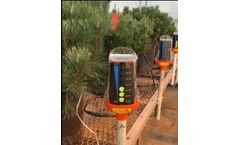
Mugo Pine, an ornamental evergreen, is the crop being studied under greenhouse conditions. While Mugo Pine is known for its drought tolerance, it requires frequent irrigation when cultivated in pots, which is common practice during nursery production. ...
Transforming Agricultural Residues The biochar machine operates through carbonization, a thermochemical process conducted under oxygen-limited conditions. Crop residues, forestry offcuts, and animal waste are introduced into the system, where high temperatures convert them into a porous, carbon-rich solid. ...

However, maximizing the benefits of silage depends on the proper packing of fodder crops stored in airtight conditions to prevent spoilage and increase nutrient value. ...
Biochar is a carbon-rich material produced through the pyrolysis of organic biomass under low oxygen conditions. Common feedstocks include agricultural waste, forestry residues, and even municipal organic waste. ...

Murara Plants Kenya is one of the leading plant propagators in Africa. It is located in Kericho, in the middle of Kenya’s highlands, west of the Great Rift Valley with an altitude of about 2,150 metres above sea ...

The project has as its overall aim to increase climate resilient agricultural productivity and food security, with a specific objective to increase the water productivity and profitability of smallholder farmers in Mozambique, prioritizing small (family sector) farmers to increase food and nutritional security. This project will demonstrate what the best combinations are of adoption strategies ...
Transforming Weather Water data into value-added Information services for sustainable Growth in Africa (TWIGA), is a four-year collaborative project funded under the EU Horizon ...
The agricultural sector is at a critical stage. With the global population projected to reach nearly 10 billion by 2050, the demand for food is increasing rampantly. At the same time, there is mounting pressure to adopt sustainable farming practices to protect our planet’s limited resources. This delicate balance between increasing food production and minimizing environmental impact ...
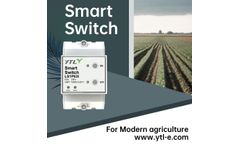
Through the meter, farmers can understand the different electricity usage patterns of different fields, different crops, and identify excessive usage issues, allowing them to take timely measures to reduce electricity costs. For example, during irrigation, the meter can automatically control the irrigation equipment based on soil moisture and crop water ...
Precision agriculture (PA) is the use of advanced technologies to optimize field-level management. By leveraging data analytics, GPS, IoT, and various sensors, precision agriculture enables agronomists to make informed decisions, thereby enhancing crop yield and resource efficiency. This modern approach contrasts with traditional farming methods by emphasizing precision in monitoring, managing, ...

For centuries, farms have struggled with the unpredictable forces of nature, battling everything from adverse weather conditions to pest infestations and soil degradation. Traditional farm management methods often rely on past data and manual observations, making it difficult to adapt quickly to changing conditions. ...

Promote plant growth and increase crop yield: Soil amendment can create a good moisture condition for crop growth by improving soil structure and increasing porosity. ...
One of India’s leading crop protection companies has harnessed the power of remote sensing technology to enhance its interactions with farmers. By offering valuable insights into crop management, covering aspects such as nutrition, irrigation, and pest and disease control. The company has improved the efficacy of crop protection strategies and strengthened its relationships with the farming ...
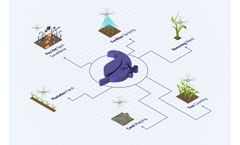
Terra Agri, an Agriculture Drone Services Business Operating under Terra Drone Indonesia and Terra Drone Agri in Malaysia, Terra Agri is an agricultural service brand offering various services, including crop intelligence and plantation control systems. These systems utilize aerial and ground data to monitor site conditions, offering invaluable insights into ...

. * High security: ZigBee uses AES-128 encryption algorithms and other security measures to ensure data transmission security.(2) Application Application:* Smart buildings: ZigBee technology can be used to remotely monitor and control building equipment such as lighting, air conditioning, and security systems. * Smart agriculture: ZigBee sensors can monitor environmental ...
This enhances nutrient availability to plants, reduces leaching, and minimizes nutrient runoff into water bodies. pH Regulation: Biochar has the ability to buffer soil pH, making it suitable for a wide range of crops and soil types. It can neutralize acidic or alkaline soils, creating optimal conditions for plant growth and nutrient uptake. ...