
Refine by
Crop Improvement Articles & Analysis
294 articles found
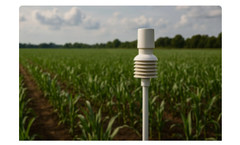
Humidity sensors measure atmospheric water vapor concentration to forecast crop water loss and optimize irrigation timing. As relative humidity declines, vapor pressure deficit rises, increasing crop transpiration and irrigation requirements. ...
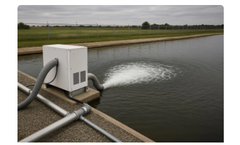
This strategy enables industries to achieve stronger oxygen transfer, improved efficiency, and reliable water-treatment performance across diverse applications.FAQsHow does nano bubble technology improve oxygen transfer in water systems? Nano bubbles remain suspended longer, allowing greater oxygen dissolution and improved overall water treatment ...

Such integration supports lower operational emissions and improved resource utilization. Agricultural Applications of Biochar Biochar has attracted considerable attention within the agricultural sector due to its capacity to improve soil quality. ...

See how Frederick Hiam partnered with Wyma to boost efficiency, improve crop quality, and achieve automation success. Transforming Efficiency with Wyma Solutions Frederick Hiam Limited is a family-owned business specializing in fresh produce for nearly 100 years. ...
When added to soil, biochar enhances fertility, improves water retention, and increases crop yield. This ability to improve soil health has made biochar a staple in sustainable agriculture. ...
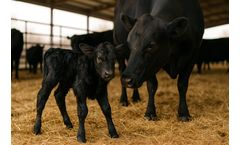
When calves are born within a defined, predictable period, uniformity improves, marketing options expand, and the production cycle becomes easier to manage. ...
Across global post-harvest operations, rising costs are reshaping how processors think about efficiency. Labour shortages, increasing energy prices, and growing pressure on water use are no longer isolated challenges, they are interconnected forces influencing long-term operational viability. In response, automation is evolving. No longer focused solely on throughput or speed, modern automation ...
Reduce water usage through efficient spray systems and water recycling. Improve crop presentation, enhancing product value and driving sales in retail markets. ...

Such innovations are particularly valuable for studying stress tolerance, crop improvement, and plant–microbe interactions. Application Examples The measurement of plant cell viability has broad applications across plant biotechnology: l In micropropagation, it helps determine optimal culture media and hormone balance for regeneration. ...
Therefore, measuring proline content in plant tissues is a reliable way to assess how plants respond to environmental stress. In research and crop breeding, proline accumulation serves as a biochemical marker for stress tolerance. ...
Role in Agroforestry Systems Agroforestry integrates trees, crops, and sometimes livestock into a single management system. Soil fertility is a determining factor for its success. By applying biochar, the system gains enhanced cation exchange capacity, improved water retention, and reduced soil acidity. A biochar machine provides a consistent and scalable supply ...
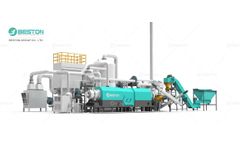
Consistent product quality, essential for testing applications like soil improvement or activated carbon production. Feedstock options typically include: Rice husks Coconut shells Sawdust and wood chips Agricultural stalks and husks Other organic residues This versatility makes the machine suitable across a wide range of agricultural settings. ...

In today's world, with the continuous improvement of environmental awareness and the growing demand for energy, biomass energy, as a renewable and clean form of energy, is gradually attracting global attention. ...
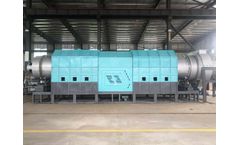
The outcomes help validate the sustainability claims of biochar systems and guide improvements in design, operation, and policy integration. Feedstock Sourcing and Preparation The upstream phase begins with the selection and transport of biomass feedstock. ...
Researchers are increasingly interested in the fatty acid composition of crops and microalgae to improve yield, oil quality, and stress resistance. ...

This "untargeted" metabolomics approach is a powerful discovery engine, revealing unexpected metabolic shifts and identifying novel bioactive compounds that could be pivotal for crop improvement, drug discovery, or understanding ecological adaptation. ...

It plays a key role in helping farmers protect their crops, improve yield, and grow safe food.In regions like Coimbatore, Madurai, and other parts of Tamil Nadu, environmental factors are changing fast due to climate shifts, urban development, and chemical usage. ...
A research project in the United States showed that adding biochar to agricultural soils reduced N₂O emissions by up to 50%. 3. Improving Soil Fertility and Crop Productivity Healthy soils are crucial for carbon sequestration, and biochar plays a role in enhancing soil fertility. The porous structure of biochar can hold water and nutrients, making them more ...
Understanding plant hormones is crucial for improving agricultural practices, enhancing crop sustainability, and bolstering resistance against adverse environmental conditions. ...
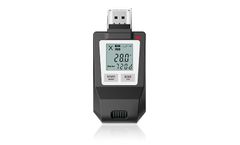
Agricultural planting- Precisely control temperature and humidity to improve crop yield and quality. Freshliance's Fresh Keeper-1 999-day USB industrial temperature data logger can provide PDF temperature reports, automatic alarm for abnormal temperature and other functions. ...