
Refine by
Crop Moisture Articles & Analysis
54 articles found
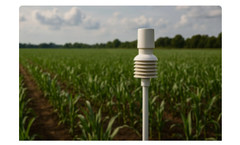
Consequently, fields with identical crop, temperature, and soil moisture can require different irrigation amounts depending on daily humidity. ...
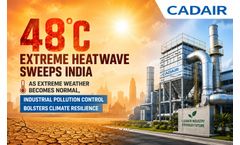
It also severely disrupts agricultural production, resulting in crop yield reduction and soil moisture deterioration, threatening regional food and water security. ...

Moisture measurement plays a crucial role in various industries, from agriculture to construction. Accurate readings can significantly affect the quality of products and the efficiency of processes. In this blog post, we'll explore how to guarantee precision when using moisture measurement tools, including common pitfalls to ...

The resulting material has numerous applications, particularly in agriculture, where it is used to improve soil fertility, increase moisture retention, and enhance crop yields. 2. Environmental Benefits of Biochar Carbon Sequestration: Biochar acts as a long-term carbon storage solution. ...

Transforming Weather Water data into value-added Information services for sustainable Growth in Africa (TWIGA), is a four-year collaborative project funded under the EU Horizon ...
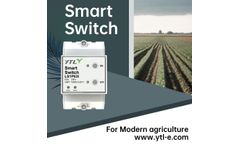
Through the meter, farmers can understand the different electricity usage patterns of different fields, different crops, and identify excessive usage issues, allowing them to take timely measures to reduce electricity costs. For example, during irrigation, the meter can automatically control the irrigation equipment based on soil moisture and ...

Promote plant growth and increase crop yield: Soil amendment can create a good moisture condition for crop growth by improving soil structure and increasing porosity. ...

. * Smart agriculture: ZigBee sensors can monitor environmental parameters such as soil moisture, temperature, and light intensity in real-time, providing data support for agricultural production.5.LoRaLoRa is a low-power wireless local area network (LPWAN) technology suitable for IoT applications that require long-range coverage and low power consumption.(1) Advantages:* ...
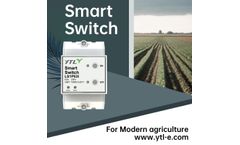
For example, in irrigation systems, smart switches can automatically adjust the irrigation amount based on soil moisture and crop growth needs when combined with appropriate sensors, avoiding excessive consumption of water resources. ...

It involves monitoring and controlling various factors such as soil moisture levels, weather conditions, crop water needs, and irrigation system efficiency to deliver water precisely when and where it is needed. ...
ByJXCT
This can help reduce water wastage and ensure that crops receive adequate moisture during critical growth stages. Crop Monitoring: Portable soil EC detectors can also be used to monitor crop health and growth rates. By taking regular soil EC readings at different stages of crop development, farmers can identify ...
ByJXCT

Hydroseeding can play a pivotal role in erosion control and soil stability, as it can apply moisture-retaining mulches and seeds quickly and easily. Installing Grass For large areas of turf and grass, there’s no more quick and reliable method to apply seed than hydroseeding. ...

For instance, gardeners can plan their planting schedules based on weather forecasts, while hikers can determine the best time for their excursions. Optimizing Irrigation and Crop Management For agricultural applications, outdoor weather stations play a vital role in optimizing irrigation and crop management. By continuously monitoring soil ...
With advancements in technology, there are now more advanced soil sensors available that can simultaneously measure soil moisture, temperature, Conductivity, and nutrient content. In the process of agricultural cultivation, it is essential to have a timely understanding of the soil condition in order to determine which types of crops to plant based on the soil ...
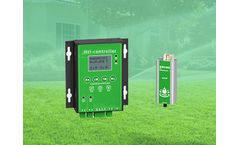
It relies on data-gathering sensors and advanced analytics to optimize crop production, water use, and other agricultural inputs. Intelligent irrigation controller is one of the key components of precision agriculture.An intelligent irrigation controller is a device that uses advanced algorithms and sensors to measure and control the amount of water delivered to ...
For example, an agricultural weather station may require additional sensors for soil moisture and crop growth stages, while a meteorological station may require additional sensors for sunshine duration and UV index. ...
ByJXCT
In agriculture, these sensors are used to monitor soil moisture content, enabling farmers to determine the amount of water required by crops at different stages of growth. This information helps farmers to efficiently manage water resources, reduce water wastage, and increase crop yield. Soil moisture sensors are also used to ...
ByJXCT
For example, when the pH value of the soil is too low, the pH value of the soil can be increased by applying the right amount of lime to promote the growth of crops. On the other hand, when soil moisture is too low, soil moisture can be increased by increasing the amount of irrigation water to promote the growth of crops. In this ...
ByJXCT
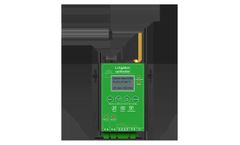
In the pursuit of sustainable and efficient agricultural practices, advanced irrigation controllers have emerged as a transformative technology with the potential to enhance crop yield while promoting water conservation. This article explores the multifaceted role of advanced irrigation controllers in modern agriculture and their impact on optimizing crop ...
Agriculture and Forestry: Weather stations support agriculture by providing crop management and soil moisture monitoring. Energy and Utilities: Weather station contribute to the efficient operation of energy and utility systems by providing data for renewable energy generation, power grid management, and resource planning. ...