
Refine by
Crop Requirement Articles & Analysis
141 articles found
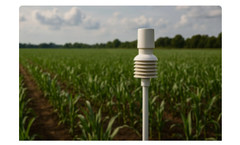
Humidity sensors measure atmospheric water vapor concentration to forecast crop water loss and optimize irrigation timing. As relative humidity declines, vapor pressure deficit rises, increasing crop transpiration and irrigation requirements. ...
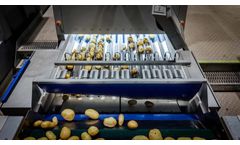
Potato processing is a balance of competing priorities. Processors must maximise throughput while protecting product quality. They must reduce labour and operational costs while meeting increasingly strict retailer specifications. And they must do all of this while handling a natural, variable product that changes daily. The difference between a good processing line and a great one often comes ...

See how Frederick Hiam partnered with Wyma to boost efficiency, improve crop quality, and achieve automation success. Transforming Efficiency with Wyma Solutions Frederick Hiam Limited is a family-owned business specializing in fresh produce for nearly 100 years. As they approach their centennial anniversary, they continue to lead the way in innovative vegetable processing. View the case study ...
Every Crop Is Different, and So Is Our Approach No two harvests are ever the same. Soil types, climate, and storage conditions vary, retail standards evolve, and sustainability expectations are rising. For processors, these shifts can mean fluctuating crop size, shape, density, and finish, all of which impact line performance. We design equipment that doesn’t just perform; it adapts. ...
Feeding your plants is a fundamental aspect of nurturing a thriving garden, whether you’re aiming for a bountiful harvest or flourishing blooms. However, the choice of fertilizer significantly impacts the health of your plants and the environment. There are two primary types of fertilizers – organic and synthetic. In this article, we’ll delve into the pros and cons of each, ...
The market is segmented into fertilizers, pesticides, adjuvants, and plant growth regulators, with key applications in crop-based and non-crop-based sectors. Market Overview Market Size for 2024: The agrochemicals market is projected to reach USD 253.29 billion. ...
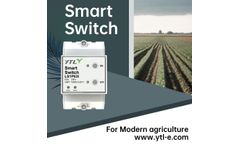
Through the meter, farmers can understand the different electricity usage patterns of different fields, different crops, and identify excessive usage issues, allowing them to take timely measures to reduce electricity costs. For example, during irrigation, the meter can automatically control the irrigation equipment based on soil moisture and crop water ...

Water Management: Biochar improves soil water retention capacity, reducing irrigation requirements and enhancing drought tolerance in plants. Its porous structure allows for better water infiltration and drainage, reducing soil erosion and runoff. Crop Productivity: Incorporating biochar into agricultural soils has been shown to increase crop ...
Essential nutrients, categorised as micronutrients and macronutrients, play key roles in sustaining the plant’s life cycle. Micronutrients, required in smaller amounts and macronutrients needed in larger amounts are essential for achieving optimal plant growth. ...

It involves monitoring and controlling various factors such as soil moisture levels, weather conditions, crop water needs, and irrigation system efficiency to deliver water precisely when and where it is needed. ...
ByJXCT

Figure 1: Generalist Species Areas Under the Herbicide Strategy Figure 2: Dependent Species Areas (PULAs) Under the Herbicide Strategy EPA gives some level of flexibility in the runoff/erosion mitigations that can be utilized to meet the compliance requirements. Herbicide users have a total number of points that they must meet for a given herbicide, crop ...

These innovative compounds help in enhancing the growth and productivity of crops, thereby improving crop yields. Researchers have found that auxins can signal the plant to grow in certain directions or areas, thus controlling plant growth. ...

Prolonged water scarcity can lead to crop withering and death because the soil pores, which contain both water and air, are limited. ...
By analyzing the soil composition, farmers can determine the type, quantity, and frequency of fertilizers required to meet the nutritional needs of their crops. This targeted approach to fertilization can result in improved crop health, higher yields, and a reduced risk of over-fertilization, which can pollute the soil and water resources. ...
This data is crucial for understanding soil health, water availability, and crop growth, enabling farmers and researchers to make informed decisions about water management, crop planting, and harvesting. ...
ByJXCT
This leads to improved crop quality, increased yields, and enhanced resistance to pests and diseases. 4. ...
Different plants have specific pH requirements for optimal growth, and soil pH can impact the availability of essential nutrients such as nitrogen, phosphorus, and potassium. Monitoring soil pH is essential for agricultural practices, as it enables farmers to make informed decisions regarding crop selection, fertilizer application, and soil amendment strategies. ...
Did you know that onions are the most cultivated crop in The Netherlands? and that it is the most widely cultivated species of the genus Allium worldwide? ...
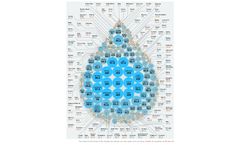
What is Virtual Water? Most of the time, we tend to believe that our water consumption is limited to the water we use in its physical or ‘visible’ form for drinking, cooking, washing, bathing, etc. How many of us think of water when we look at, say, wheat, onions, a shirt, or cheese? Not many. It would surprise us, however, to know that a large amount of water goes into the ...
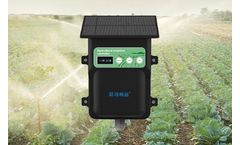
Automated Scheduling: The controller enables automated scheduling based on factors such as crop type, soil moisture levels, weather conditions, and water requirements. ...