
Refine by
Crop Resistance Articles & Analysis
57 articles found
June 9, 2026 — In a recent interview with Meister Media Worldwide, Dr Brendon Neumann highlighted resistance management as a core challenge and outlined how biological crop protection solutions are becoming integral to sustainable farming systems.The Growing Challenge of ResistanceResistance management is critical to maintaining the long-term effectiveness of ...

Understanding plant hormones is crucial for improving agricultural practices, enhancing crop sustainability, and bolstering resistance against adverse environmental conditions. ...
Applications of Glucosinolates Analysis The ability to accurately analyze glucosinolates has far-reaching implications in various fields: Agriculture: Understanding glucosinolate profiles can help in breeding pest-resistant crops and optimizing agricultural practices. Nutrition and Functional Foods: Profiling glucosinolates in vegetables can guide the development ...

It accelerates the discovery of novel drug targets by highlighting genes that, when altered, impact disease progression or drug resistance. Additionally, it aids in understanding genetic networks by revealing interactions between different genes. ...
Researchers are now using this technology to engineer crops for improved yield and resistance to pests, develop gene therapies for genetic diseases in humans, and even create novel biotechnological applications. ...

In this meeting, they explored the potential of directed evolution, radical design of metabolic pathways, novel genetic circuitry and unique plant architectures to transform crop improvement[2]. It provides guidance for the application of synthetic biology in agriculture. ...
In this meeting, they explored the potential of directed evolution, radical design of metabolic pathways, novel genetic circuitry and unique plant architectures to transform crop improvement[2]. It provides guidance for the application of synthetic biology in agriculture. ...

In this meeting, they explored the potential of directed evolution, radical design of metabolic pathways, novel genetic circuitry and unique plant architectures to transform crop improvement[2]. It provides guidance for the application of synthetic biology in agriculture. ...

This leads to improved crop quality, increased yields, and enhanced resistance to pests and diseases. 4. ...
For instance, sgRNA libraries can facilitate scientists to uncover genes that may contribute to tumor growth or resistance to chemotherapy, offering the prospect for the discovery of innovative cancer therapeutics. ...

HDPE High-Density Polyethylene (HDPE) is an incredibly widely used plastic as it is one of the safest options around food. It is resistant to heat and UV rays and does not transmit any chemicals into the soil or crops, making it an excellent choice for use in agriculture. ...

All of these innovations are aimed at increasing crop productivity, gaining access to pressure-resistant plants, and providing better diagnostics and affordable medicines. ...

The DNA sequence of a gene responsible for resistance to a devastating virus in wheat has been discovered, providing important clues for managing more resistant crops and maintaining a healthy food supply. Wheat crops in the Americas, Asia, Europe, and Africa are regularly damaged by wheat yellow mosaic virus (WYMV), and there ...

Are you curious about how the global water cycle has changed in recent years due to human activity and natural events? A new scientific report aiming to answer this question has revealed some alarming findings about the state of the Earth’s water cycle in 2022: the water cycle itself is changing on a global level. The research team analyzed data from over 40 satellites and thousands of ...
In addition to improving soil health, cover crops can also help to remove carbon dioxide (CO2) from the atmosphere and store it in the soil as organic matter. ...
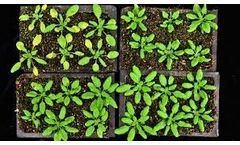
In a new study published in Cell, Duke University researchers have uncovered a key ingredient in plant cells that reprograms their protein-making machinery to fight disease. Crop production lost each year due to bacterial and fungal diseases amounts to 15%, or about $220 billion. ...

In the process of planting crops, human beings usually suffer from insect pests, which seriously affect the yield and quality of food. In order to prevent and control pests, people have to use pesticides to escort crop planting and production. Organophosphorus is a common pesticide, and improper protection can lead to farmers' organophosphorus poisoning. ...

At the national and worldwide levels, plant breeding initiatives often entail multilocational experiments to generate crop varieties that are more resistant to climate-related phenomena and are effective in their use of resources, hence lowering their influence on the agricultural environment. Drought, salinity, and floods resistance are the most ...
It has functions such as anti-oxidation, anti-bacterial, and stress resistance. It can effectively open up the transportation channel of plant nutrients in the body, improve plant resistance such as cold resistance and waterlogging resistance of crops, and improve the overall nutrient transport capacity of ...
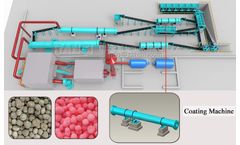
The release rate of nutrients in fertilizers can be controlled to a certain extent for continuous absorption and utilization by crops. After the fertilizer is coated, it can reduce the loss of fertilizer nutrients, especially nitrogen, in the soil. Can reduce the frequency of fertilization, save labor and cost. To increase crop yield and income, the application ...