
Refine by
Crop Soil Articles & Analysis
410 articles found
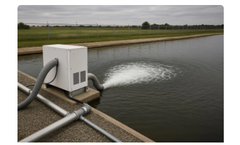
The platform family includes engineered options for varying scales and conditions.Puroxi Precision Nano Injection SystemInline treatment with controlled gas transfer in flowing systems, maintaining operational precision.Inline water treatmentProcess water systemsControlled gas transferFlow-based applicationsPuroxi Nano Bubble Column SystemExtended gas-to-liquid contact in controlled environments ...
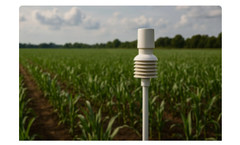
Why Air Humidity Directly Affects Crop Water Demand Evapotranspiration (ET) combines soil evaporation and plant transpiration, and humidity is a key input. ...

It also severely disrupts agricultural production, resulting in crop yield reduction and soil moisture deterioration, threatening regional food and water security. ...

Biochar and Its Expanding Applications Biochar is primarily known for its application as a soil amendment. When added to soil, biochar enhances fertility, improves water retention, and increases crop yield. This ability to improve soil health has made biochar a staple in sustainable agriculture. However, its uses extend beyond ...
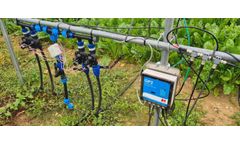
Delta-T Devices is providing soil sensors and data loggers to the British Beet Research Organisation (BBRO) for use in important drought and water deficit research projects. On average, 59% of UK sugar beet is grown on sandy or sand-based soils, making the crop particularly vulnerable to drought and water deficit. ...

Biochar can be used as an efficient soil conditioner in agricultural production to improve soil fertility and crop yield; it can also be used as a high-quality fuel in industrial boilers and civil heating. ...

Soil Testing – Make Every Inch of Land CountHealthy soil is the foundation of healthy crops.. But not every piece of land is ready to grow crops. If you don't know what your soil holds, it's like farming with your eyes closed..Soil testing tells you:Which nutrients are missing (like nitrogen, ...
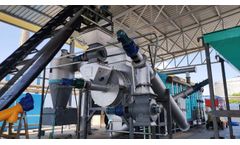
The biochar itself is a highly porous material with a large surface area, making it valuable for agricultural use as a soil amendment to improve soil fertility and water retention.Key Factors Influencing Profitability 1. ...

Farmers and agronomists must make informed decisions about soil health, fertilizer application, crop nutrition, and overall quality control to maximize yields while minimizing environmental impact. ...
A research project in the United States showed that adding biochar to agricultural soils reduced N₂O emissions by up to 50%. 3. Improving Soil Fertility and Crop Productivity Healthy soils are crucial for carbon sequestration, and biochar plays a role in enhancing soil fertility. ...
While carbonized rice hull can improve the soil for many types of crops, it works particularly well for plants that thrive in well-drained, aerated soils. Some crops that have shown positive responses to biochar applications include: Vegetables: Crops like tomatoes, peppers, and lettuce benefit from the improved ...

Biosolids contain essential nutrients like nitrogen, phosphorus and carbon, thus, they can enhance soil richness and health. This allows industrial manufacturers with a rich biosolid process to benefit from the spreading of that material onto soil surfaces. ...

Their contributions to water conservation, crop protection, soil health and automation have revolutionized traditional farming practices, increasing efficiency, productivity and sustainability. ...
Low Crop Productivity: Poor soil quality and limited access to advanced technologies result in low yields. ...

Pesticide residue testing and analysis involves the detection and quantification of pesticide residues in a variety of matrices such as crops, soil, water, and animal products. These studies are essential to ensure the safety of agricultural products and compliance with regulatory standards. ...
Biochar has a porous structure and large surface area, which enhances soil's ability to retain water and nutrients. This is especially beneficial in arid regions where soil moisture retention is critical for crop survival. Moreover, biochar helps prevent nutrient leaching by holding onto essential nutrients like nitrogen and phosphorus, making ...

Whether it’s choosing the location for a new home or rotating crops that feed an entire country, soil sampling data is used to make important, long-lasting decisions. Recording soil sampling data accurately and properly handling the collected samples can save time, reduce cost and streamline ...

Water plays a critical role in agriculture, serving as the lifeblood for crops and soil, and is essential for growing food. However, natural rainfall is often unpredictable, insufficient, or unevenly distributed across regions, making irrigation systems a vital component of modern farming. With effective irrigation, many farmers would be able to produce enough ...
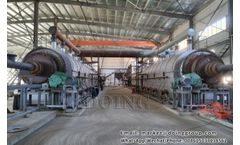
It can not only be used as a clean energy to replace traditional coal and reduce environmental pollution, but also as a soil conditioner in agriculture to improve soil fertility and crop yields. ...
Biochar making machine converts organic material like crop residues, forest biomass, and animal manure into biochar through pyrolysis. ...