
Refine by
Crop Yield Reduction Articles & Analysis
62 articles found
Introduction: A Subtle Shift with Lasting Consequences Salinity is often associated with oceans and coastal environments, but it can also emerge in places where it’s far less expected: soils, aquifers, and freshwater ecosystems. When chloride levels increase, whether from brine spills, industrial activity, or road salts, it can elevate salinity in the subsurface. Unlike many contaminants, ...
ByLiORA

It also severely disrupts agricultural production, resulting in crop yield reduction and soil moisture deterioration, threatening regional food and water security. ...

Ensuring clean, safe water is critical for both public health and industrial operations. Among the many contaminants that can be present in water supplies, iron in water is one of the most common. Although iron is an essential nutrient, elevated levels in water can lead to staining, unpleasant taste, infrastructure damage, and potential health risks. But what exactly is the legal limit of iron ...
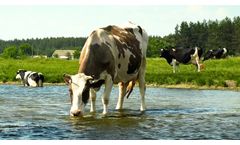
Water is the lifeline of agriculture. Its quality plays a pivotal role in crop health, yield, and overall farm productivity. However, one of the most persistent threats to agricultural water sources is algal blooms. These can severely degrade water quality. Hence, achieving algae-free waterbodies is a necessity. Harmful algal blooms (HABs) occur when algae colonies grow uncontrollably in fresh ...

Ozone serves as a protective layer in the upper atmosphere, absorbing harmful ultraviolet rays and helping sustain life on Earth. But at ground level, ozone transforms into a pollutant that can damage ecosystems, deteriorate infrastructure, and harm human health. This “ambient ozone” is a byproduct of chemical reactions between pollutants, such as nitrogen oxides (NO?) and volatile ...
Ambient ozone is a significant component of atmospheric chemistry, influencing air quality and human health. While ozone (O3) plays a crucial protective role in the upper atmosphere by shielding the Earth from harmful ultraviolet radiation, its presence at ground level—often referred to as ambient or tropospheric ozone—poses serious environmental and health risks. Understanding ...

The practice of straw burning, particularly in agricultural regions, has long been a controversial issue due to its significant environmental consequences. While it may appear to be a convenient method for dealing with post-harvest residue, the environmental damage caused by this practice is far-reaching. The release of harmful gases, the destruction of soil quality, and the contribution to air ...
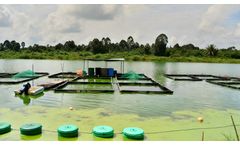
In the ever-evolving landscape of the food industry, challenges come in many forms. One of the most insidious threats to food production and quality is the proliferation of algae. Often overlooked or underestimated, algae can quietly exert harmful and damaging effects over time. This gradual contamination of water sources can lead to a cascade of issues throughout the food supply chain, ...
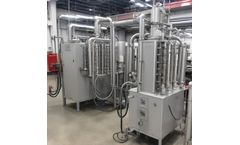
Say goodbye to the days of choosing between effective water treatment and sustainability. Electrocoagulation is transforming water purity. This advanced technology is revolutionizing industrial water purification, offering a powerful and cost-efficient solution for industries ranging from agriculture to energy production. So, what’s the deal with electrocoagulation? It’s a pretty ...
The success of the OCP Kenya-OCP School Lab (OSL) project stems from a comprehensive approach to addressing agricultural challenges in Kenya. A review of various surveys on the state of agriculture revealed a connection between low crop yields, reduced incomes, and soil fertility constraints, particularly soil acidity. Additionally, a lack of awareness about soil health and fertility ...
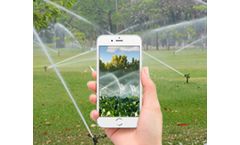
Abstract Irrigation is crucial for successful crop growth and yield, but traditional irrigation methods often result in water waste and inefficiency. To address this issue, intelligent irrigation systems have been developed to provide precise and efficient irrigation management based on real-time data. This article explores the benefits of intelligent irrigation systems for agriculture, including ...
ByJXCT

Revolutionizing Agriculture with Data-Driven Insights In the dynamic landscape of agriculture, sustainability has emerged as a critical pillar, driving the pursuit of practices that minimize environmental impact while maximizing productivity. Amidst this evolving paradigm, soil sensors have emerged as a transformative force, unlocking a wealth of insights into soil health and enabling farmers to ...
In the face of growing water scarcity and the pressing need for sustainable agricultural practices, optimizing irrigation efficiency has become a paramount concern for farmers worldwide. Traditionally, irrigation scheduling has relied on estimates and fixed schedules, often leading to overwatering or underwatering, resulting in wasted water, nutrient leaching, and reduced crop yields. The advent ...
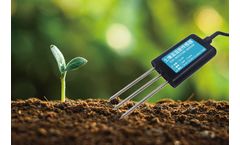
Modern agriculture heavily relies on technology to increase productivity and ensure sustainability. One of the most promising technological advancements in recent years is the integration of soil sensors in farming practices. Soil sensors are devices that measure various soil properties such as moisture, nutrients, temperature, and pH levels. By providing real-time data, soil sensors can help ...

Wastewater management is critical for public health and environmental protection. However, many communities worldwide bear the brunt of untreated wastewater. Affected communities are often those that are already marginalized and disadvantaged. They are more likely to live in areas with poor sanitation and wastewater management infrastructure. ...
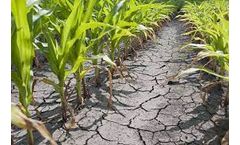
Imagine this: You are a farmer in the Middle East, where the sun burns like a relentless forge. Every day you hope for rain, but all that comes is dust and more heat. Welcome to water scarcity and agriculture in the Middle East, an everyday reality faced by millions. This is not just about farmers sweating under a scorching sun or barren fields stretching as far as eyes can see. It is also about ...
Agriculture is a crucial sector that provides food for the world's population. As the population continues to grow, the demand for food also increases. To meet this demand, farmers must produce more food with fewer resources. One of the ways to achieve this is by optimizing crop nutrition and maximizing yield. Soil NPK sensors have emerged as a useful tool for farmers to achieve these goals. Soil ...
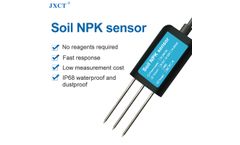
Agriculture is a crucial sector that provides food for the world's population. As the population continues to grow, the demand for food also increases. To meet this demand, farmers must produce more food with fewer resources. One of the ways to achieve this is by optimizing crop nutrition and maximizing yield. Soil NPK sensors have emerged as a useful tool for farmers to achieve these goals. Soil ...
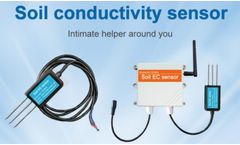
Introduction: Crop yield optimization is a key goal for farmers, as it directly impacts their profitability and food production capacity. Soil EC sensors have emerged as a valuable tool in precision agriculture, helping farmers make informed decisions regarding nutrient management and irrigation practices. In this article, we will explore the benefits and applications of soil EC sensors in ...
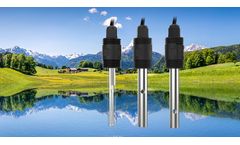
Water is a precious resource that plays a critical role in agricultural production. As the global population increases, meeting the demand for food and fiber becomes increasingly challenging, particularly in regions facing water scarcity. The utilization of water in agriculture must be efficient, sustainable, and environmentally friendly. This article explores how water quality sensors have ...