
Refine by
Digestate Stream Articles & Analysis
36 articles found
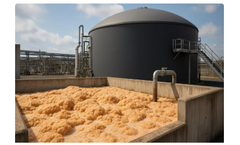
Typically, disposing of DAF sludge has been viewed as a problem, but treatment with anaerobic digestion makes it an asset.From Waste Stream to Energy SourceDAF sludge is rich in organic material, consolidating fats, oils, grease, and proteins into a sludge stream with high biodegradable content. Rather than sending this waste to landfill, ...
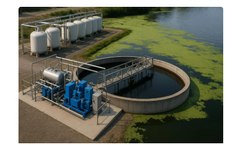
For food and beverage manufacturers, nutrient removal from wastewater is a critical compliance and cost-management issue in addition to environmental sustainability concerns.Nutrient Discharge Is Becoming a Bigger IssueNitrogen and phosphorus are commonly found in food and beverage wastewater. Waste streams from breweries, dairy beverage processors, and other facilities can ...
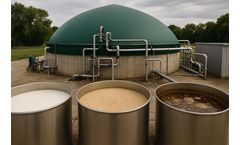
Why Anaerobic Digestion Works for Dairy Anaerobic digestion is a biological waste-to-energy process where microbes break down organic matter without oxygen, producing biogas, a methane-rich renewable fuel, and stabilized digestate solids. ...
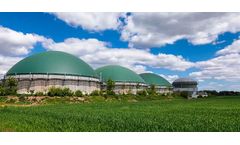
Here’s how recuperative thickening with a sidestream loop can be a game changer for your enterprise Industrial operations that use anaerobic digestion to treat high-strength organic waste often face a dilemma, that is, whether to expand digester volume or push existing units harder. Recuperative thickening offers a third option. It involves retrofitting an existing digester with a ...
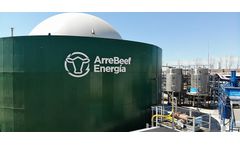
Engineers consider a range of factors — including the waste to be treated and the desired outcome — when designing an AD system Anaerobic digestion (AD) is a well-established technology for the treatment of organic waste streams. ...
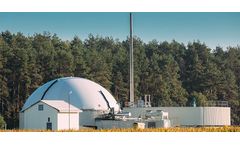
This includes agricultural digesters for livestock manure and crop residues, municipal digesters for sewage sludge and organic solid waste from households, and industrial digesters for specific organic waste streams generated by industries such as food processing or breweries. ...

In general, it’s estimated that wastewater sent to treatment utilities contains five times the energy needed to treat it, but the streams from F&B operations are often laden with fat, oil, and grease (FOG). This could be considered a drawback, but fortunately there are processes that not only provide wastewater treatment, but also capture the latent energy held in the ...

Many wastewater treatment plants are coping with a waste stream of digested sludge. The sludge is normally dewatered by means of a centrifuge or belt filter press. ...
Anaerobic digestion treats high-strength wastewater streams while producing energy for a range of processes The wastewater treatment process called anaerobic digestion is the kind of flexible solution that is bringing the circular economy from the drawing board to reality. Not only is it capable of treating high-strength wastewater ...

This byproduct of anaerobic digestion is fertilizing fields and helping divert waste from landfills Anaerobic digestion (AD) is an important waste-to-energy technology that harvests energy — in the form of biogas — from organic pollutants in wastewater and solid waste. Anaerobic digestion is ideal for challenging wastewater ...
Removing Barriers to Sustainable Municipal Waste Management using Anaerobic Digestion in India Clarke Energy in conjunction with the UK India Business Council have released a white paper in relationship to the opportunities and challenges facing India in the field of solid waste management. In particular biogas from anaerobic digestion, a technology India has a ...
Basically, they are broken into two types – Aerators and Digesters of which the modified Digesters used for this purpose are marketed as Aerating Mixers. The Aerators are designed to aerate wastewater streams, and the Digesters (Mixing Aerators) are designed to aerate as well as render particulates inherent to much smaller ...

Project Summary Project Due to a lack of control over the digestion stream over the years, Netheridge Sewage Treatment Works (STW) in Gloucester, England has incurred large fluctuations in gas production, made worse by the range of trade wastes that are accepted into the site. ...
DO2E devices are used to increase the dissolved oxygen content of input streams to respective devices as well as to modify the input streams to facilitate the removal of offending and/or hazardous substances. The DO2E Technology is designed to deliver oxygen to an input stream, and the Digesters are designed to do a similar ...
Carbon adsorption can be a good choice for lower concentration air streams. Carbon adsorption can also be costly due to frequent carbon replacement. Scrubbers - Scrubbers use the process of absorption as well as chemical reaction (normally oxidation) to remove gases from contaminated air/gas streams. Scrubbers typically utilize water and/or chemical reactants ...

The Global Water Engineering organization – headed by Chairman and CEO Jean-Pierre Ombregt – is celebrating the successful completion of more than 400 anaerobic digestion plants around the world. For over 27 years GWE has transformed organic industrial wastewater and waste into biogas to reduce dependence on fossil fuels. ...
One large-scale project to protect a trout stream brought together MillerCoors, the Nature Conservancy, and Idaho barley farmers, and the result was a 550 million gallon cut in annual water use by barley farmers in the Ketchum, Idaho, area. ...

SENTRY-AD is a real-time, bio-electrode sensor that allows for the monitoring of microbial metabolic activity in the anaerobic digestion (AD) wastewater treatment process. The data generated by the bio-electrode sensor allows operators to monitor the impact of toxic chemicals on microbial health in the AD system. ...
Waste-to-Energy There are two types of technologies used generally for converting waste streams into energy: thermal and biological. Thermal waste-to-energy is created by burning trash, while biological processes are typically centered on anaerobic digestion. ...

The digester was coupled to an ammonia side-stream stripping column and a scrubbing unit for free ammonia inhibition reduction in the digester, and nitrogen recovery as ammonium sulphate. The stripped digestate was recirculated daily in the digester for 15 days (68% of the digester volume), ...