
Refine by
Dissolved Iron Articles & Analysis
49 articles found

As organic matter decomposes here, dissolved oxygen depletes — often to levels that trigger phosphorus release from sediments. ...

Ensuring clean, safe water is critical for both public health and industrial operations. Among the many contaminants that can be present in water supplies, iron in water is one of the most common. Although iron is an essential nutrient, elevated levels in water can lead to staining, unpleasant taste, infrastructure damage, and potential health risks. But what exactly is the legal limit of iron ...

Texas is no stranger to water quality challenges, especially in rural and groundwater-reliant areas. Among the most common issues is elevated iron levels in water. While small amounts of iron are naturally occurring and even essential in our diets, excessive iron in drinking water can cause staining, metallic taste, plumbing damage, and even health concerns in vulnerable individuals. If ...

Installation for the removal of heavy metals by means of electrocoagulation from waste water coming from the cleaning of the bogies at railways in ...
Installation for the removal of heavy metals by means of electrocoagulation from waste water coming from the cleaning of the bogies at railways in ...
KDF 85 Process Medium is an Effective Non-Chemical Water Treatment for Iron Removal and Other Heavy Metal Removal KDF water filter media used by a bottled drinking water producer A Kalamazoo, Michigan producer of bottled drinking water uses KDF media as a non-chemical method of removing chlorine and sequestered iron from 7,500 gallons of municipal water ...
Medical experts recommend drinking at least eight glasses of water a day. Whether you drink tap water, bottled water, or distilled water, these standards are important. However, it would help if you kept in mind that drinking municipal tap water has some disadvantages. So, learning how to improve quality is important to your health and well-being. Read on to learn about H2O tap water, including ...
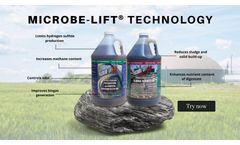
Hydrolysis and AcidogenesisAs a result of the reaction of chemicals to water, known as the process of hydrolysis, proteins, cellulose, and other carbohydrates are quickly broken down into soluble compounds. Any remaining dissolved oxygen, ferric iron, sulfate, etc., are used as electron acceptors of hydrolytic bacteria in the first stage of anaerobic digestion. ...
Knowing what a pH electrode does is quite simple—It measures the difference in hydrogen ions between two solutions. How an electrode performs this measurement is significantly more complicated, however, but it is worth understanding to ensure proper use in an application. This article provides thorough but easy-to-follow examples showing how a pH electrode works, with the only background ...

In this process, strong acid cation resin in the hydrogen form converts dissolved salts into their corresponding acids, and strong base anion resin in the hydroxide form removes these acids. ...
ByYASA ET

The secondary alloying elements are nickel, iron, titanium, chromium and lithium. The aluminum alloy has low density, but high strength, close to or exceeds high-quality steel, good plasticity, can be processed into various profiles, has excellent electrical conductivity, thermal conductivity and corrosion resistance. ...

Organic coagulants, if used at the appropriate concentrations, do not contribute to the TDS in the discharge (find out why here), while inorganic coagulants and blends leave soluble iron or aluminum carryover in the effluent. Residual dissolved Al or Fe concentration will be dictated by the corresponding metal solubility at the given conditions (pH, temperature, ...

Segments of the lower Cheat watershed are also listed on the State’s 303(d) list for impairments related to AMD pollution (pH, dissolved aluminum, iron, and manganese). In response to the release, a group of concerned citizens and recreational users joined together to form the non-profit group, Friends of the Cheat (FOC). ...

Gold cylinder should use platinized titanium mesh as anode, generally stainless steel 316 is easy to dissolve, resulting in nickel-iron-chromium and other metal pollution gold cylinder, causing plating white, exposed plating, blackening and other defects; 8. ...

An off-putting blackish tint can be caused by manganese, iron, or slime bacteria. A yellowish look can indicate humic or fulvic compounds, iron, or bacteria. Dissolved iron or bacteria can also give a reddish tint, and surface foam could indicate the presence of surfactants. ...
Chlorination in conjunction with aeration is also used to remove dissolved iron, and aeration effectively removes volatile organic compounds (VOCs). ...
Well water for example here is naturally acidic with iron in it and many iron filtration systems can not remove iron 100% if the water is acidic, therefore, the well water acidity has to be treated first. Prior to choosing a treatment system, the well water has to be tested and analyzed for chemical contaminants, bacteria, bad tastes, odors and ...

Plant operators must also consider the type of soil found in the water that is being treated. Alkaline cleaners dissolve oils and greases. These types of soils are often found in industrial manufacturing facilities. ...

Pre-chlorination: This step is designed for the algae control and detaining of biological enlargement in the water body Aeration: Aeration together with pre-chlorination is intended for removing the dissolved iron and manganese Coagulation: Coagulation is used for flocculation or the filtration of slow-sand Polyelectrolyte: Polyelectrolyte or Coagulant aids is ...

To assess the effects of Fe(III) and anthropogenic ligands on the bioavailability of Ni, Cu, Zn, and Pb, concentrations of bioavailable metals were measured by the DGT (diffusive gradients in thin films) method in some urban rivers, and were compared with concentrations calculated by a chemical equilibrium model (WHAM 7.0). Assuming that dissolved Fe(III) (<0.45 μm membrane ...