
Refine by
Drinking Water Regulations Articles & Analysis
234 articles found
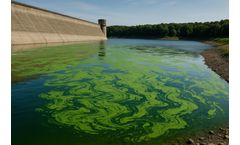
Prevention at the source reduces how much end-of-pipe treatment has to do. Every liter of drinking water starts somewhere: typically a reservoir, river intake, or lake. ...
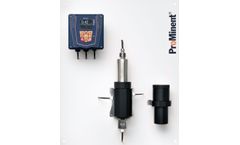
As the leading international trade fair for water, wastewater and environmental technologies, IFAT is a key meeting place for operators, engineering companies and suppliers of process and measurement technology. The focus lies on process stability, data quality and the early detection of deviations during ongoing operations. One measurement parameter that is becoming increasingly important in ...

Industrial water pollution is a widespread problem throughout the planet. When harmful chemicals and compounds are discharged into water, the water becomes unsuitable for drinking and other uses. Although most of the Earth’s surface is covered by water, we can only obtain fresh water from water bodies such as ponds, lakes, rivers, streams, and reservoirs. This means that it’s in our ...
The focus is shifting from reactive treatment to proactive source water management, with regulation driving the transition. In the United States, enforceable drinking water limits for PFOA and PFOS have been established at 4 parts per trillion under the Safe Drinking Water Act. In Europe, the ...

Introduction When people talk about water quality, they often focus on clarity or colour, but lake nutrients quietly shape almost everything that happens below the surface. A modest increase in nutrient loading can be the difference between a clear, oxygen-rich reservoir and one that drifts into chronic eutrophication with recurring algal blooms. For drinking water managers, understanding lake ...
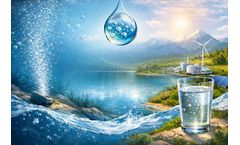
Healthy lives depend on clean water. But contamination, taste issues, and deteriorating infrastructure remain challenges in many water systems. Thus, innovators are pursuing new technology. Nanobubbles for drinking water are among the solutions receiving attention. The technology enhances water quality and supports sustainable treatment objectives. Nanobubbles are less than 200 nanometers in ...
Abstract The certification of Jenfitch's JC 9465 by the Washington State Department of Agriculture (WSDA) under the USDA National Organic Program (NOP) represents a notable development in the landscape of sanitizing agents approved for use in organic food-processing environments. As organic production expands nationally, processors face increasing limitations regarding allowable sanitation ...
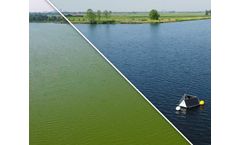
Introduction Treatment of water is the backbone of safe supply. Utilities select methods of treatment based on source risks, then verify performance with monitoring against standards. When teams design water system treatment around actual hazards, plants run efficiently, taste and odor issues drop, and compliance stays steady during blooms and storms. Below we compare these different treatment ...
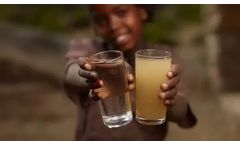
Introduction Clean vs dirty water is more than a visual contrast. In water management, the difference determines whether households stay healthy, utilities meet compliance, and ecosystems avoid harmful algal blooms. We’ll explain the difference between clean and unclean water in practical terms, as well as outline key indicators, and connect those indicators to the European Drinking Water ...
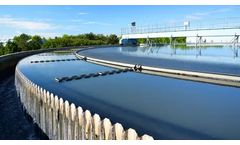
Access to clean, drinkable water represents one of humanity’s most fundamental needs, yet ensuring its safety requires meeting strict quality criteria to prevent serious health risks. Despite technological advances in water treatment, approximately 2.2 billion people worldwide still lack access to safely managed drinking water services. This leads to preventable diseases and deaths. ...

Every day, millions of Americans turn on their taps, visit local beaches, or drink from private wells without realizing they may be exposing themselves to dangerous contamination. The growing threat of toxic waters represents one of our most pressing environmental health challenges, affecting both our drinking water supplies and the recreational waterways we depend on for swimming, fishing, and ...
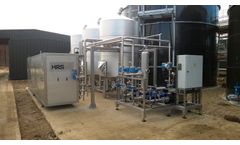
It’s a difficult time for the water sector. On top of global issues – such as the impacts of climate change on the availability of clean water, increasing environmental protections, rising energy prices, and challenges around aging infrastructure, pollution, forever chemicals and microplastics – many companies also have to face additional local ...
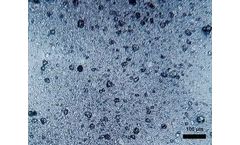
Every time you turn on your tap, you expect clean, safe water, but you can’t see how it affects you. With 2 billion people worldwide lacking access to safely managed drinking water, understanding the various types of water contaminants has never been more critical for protecting public health. The Safe Drinking Water Act defines the term “contaminant” as meaning any physical, ...

Here’s how state and local regulations are raising the stakes. 1. Stormwater Permitting & Combined Sewer Overflow (CSO) Rules In regions with combined sewer systems, heavy rainfall instantly overwhelms treatment plants, triggering CSO events that spill untreated wastewater. ...
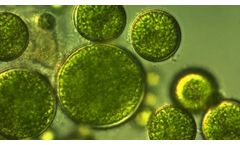
Summary Emerging contaminants, such as algal blooms, PFAs, microplastics, pose significant risks to health and ecosystems, necessitating improved monitoring and regulation. Educational materials are crucial for understanding and managing these emerging contaminants. Real-time monitoring technologies and innovative water management strategies, including smart lake management and ultrasound ...
For those in the food and beverage industry, Fluence can provide integrated systems that support the entire water life cycle Water plays a critical role throughout the food and beverage production industry. From ultrapure process water to wastewater treatment and reuse, ensuring water quality and regulatory compliance is essential to maintaining safety, efficiency, and sustainability. ...

Public education, advanced technology, and financing options can make water reuse a reality Today, planning water infrastructure should involve thoroughly investigating water reuse — also known as wastewater recycling or reclamation. In areas that face water supply problems due to increasing demand, more arid conditions, or both, reuse can serve as an essential lifeline. The water sector ...

What are some of the key environmental regulations businesses must follow? Some major environmental regulations include: • Clean Air Act (CAA) – Controls air pollution • Clean Water Act (CWA) – Protects water resources • Resource Conservation and Recovery Act (RCRA) – Regulates ...

Healthcare facilities must dispose of hazardous waste properly – The Hazardous Waste Pharmaceuticals Rule (RCRA) ensures safe medical waste handling. 8. Water utilities ensure safe drinking water and wastewater treatment – The Safe Drinking Water Act (SDWA) and CWA protect water ...
Water traveling from municipal sources to a building’s taps undergoes a complex journey influenced by everything from the quality of the source water to the building’s internal distribution network. Even water that meets national safety standards can encounter challenges as it passes through aging pipes, is affected by shifting climates, and interacts with building infrastructure. ...