
Refine by
Drinking Water Utility Articles & Analysis
80 articles found
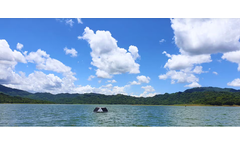
Source Water Protection Approaches: What Utilities Use No single intervention covers all source water quality challenges. ...
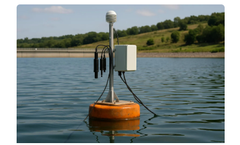
Real-time water quality monitoring enables drinking water utilities to detect contamination risks before they impact treatment operations. ...
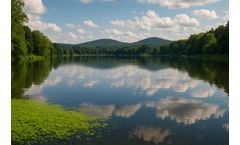
Spatial coverage matters: one monitoring station does not represent a lake, as shallow bays stratify differently and cyanobacteria can concentrate at specific depths or locations ahead of surface blooms. For drinking water utilities, intake-depth monitoring is essential since toxin concentrations at intake can differ substantially from surface ...
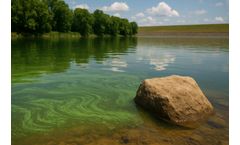
Taste and odor in drinking water are persistent consumer concerns for utilities. They are driven by geosmin and MIB, naturally occurring compounds produced by algae in source water reservoirs. While not health hazards at typical concentrations, their sensory impact drives complaints and erodes trust, and conventional treatment ...
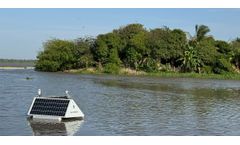
Triple A S.A. E.S.P., the utility supplying drinking water to approximately 15 municipalities in the Barranquilla region, has installed two MPC-Buoys at the Dársena Río Magdalena, a river intake on the Magdalena River, to address algae at the source before treatment.Context: Algae risk at river intakesThe Magdalena River is Colombia's primary ...
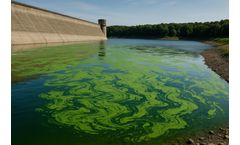
As bloom risk extends beyond traditional summer periods, utilities are increasingly implementing continuous water quality monitoring and predictive modeling to protect drinking water reservoirs.2. ...
Introduction When a lake or reservoir turns bright green, the issue is rarely “just algae.” Blooms can signal a shift in water quality that affects aquatic life, recreation, and the reliability of a community’s water supply. This guide explains the basics of freshwater blooms and the practical steps used to stop water contamination before impacts reach drinking ...
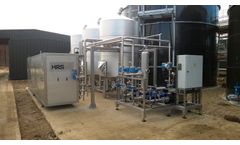
It’s a difficult time for the water sector. On top of global issues – such as the impacts of climate change on the availability of clean water, increasing environmental protections, rising energy prices, and challenges around aging infrastructure, pollution, forever chemicals and microplastics – many companies also have to face additional local ...
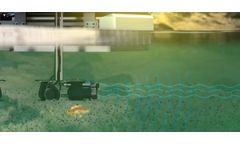
Summary Harmful algae are adaptive organisms that thrive in changing water environments. Traditional algae control methods lose effectiveness as algae develop resistance. Interactive algae control uses ultrasound with dynamic frequency adjustment to target diverse algal species. The MPC-Buoy with Interactive Algae Control combines real-time monitoring and adaptive treatment to deliver ...

Water utilities ensure safe drinking water and wastewater treatment – The Safe Drinking Water Act (SDWA) and CWA protect water resources. 9. ...
Summary Drinking water systems face challenges like harmful algal blooms (HABs), harmful byproducts (DBPs), and stricter regulations. ...
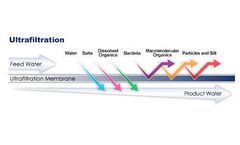
Ultrafiltration is a pressure driven membrane separation technology that is a compact and refined filtration method utilized in drinking water and tertiary wastewater reuse applications. ...

Stadtwerke München (SWM) is Munich’s municipal utilities company, and supplies one of Germany’s biggest cities with energy, drinking water and many other utilities. ...

From battling extreme weather to hacking threats that can shut down supply in a heartbeat, managing water resources has become like navigating a storm. We will take a look into the 2024 emerging water & wastewater trends that will shape municipalities and industrial companies alike. ...
Chlorinating water can lead to the formation of harmful compounds, but there are treatment alternatives Water utilities often chlorinate drinking water to kill pathogens that could pose a risk to human health. However, when chlorine is used to treat water, it can cause a chemical reaction with ...

Project date: 01. 09. 2021 – 31. 08. 2024 Tittle of the challange: Monitoring and reduction of chlorine in drinking water Drinking Water Utility needs the solution for monitoring and reducing the use of chlorine preparations in the drinking water supply. The ...
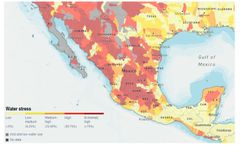
By investing in these new or retrofit initiatives for their water treatment processes, companies have found that they can utilize these additional water resources to combat the effects of water stress in their operations. Several regions across the country of Mexico are suffering from drought conditions and industrial companies ...

Denver Water is Colorado’s oldest and largest public water utility in the state and with its vast network of pipelines, reservoirs, rivers, and treatment plants, it serves approximately 300 square miles. Denver Water is responsible for the collection, storage, quality control, and distribution of drinking ...
In fresh water, such as lakes and reservoirs, harmful blooms are most often caused by cyanobacteria (blue-green algae) - these are single-celled organisms known as phytoplankton. However, when these algae manifest and produce toxins, exposure can cause human ...

Background The World of Water drinking water bottling facility in central Canada was established, in part, as a private label manufacturer of purified drinking water. The plant was designed to utilize municipally treated potable water supplies with a consistently high level of ...