
Refine by
Electrocoagulation Articles & Analysis
198 articles found

Environmental Protection Agency’s (EPA) investigation of electrocoagulation (EC) treatment for temporary water treatment of mine influenced water (MIW) discharge, impacted with heavy metals including contaminants of concern zinc and cadmium, utilizing its patented TurboCoag® reactor. ...
Avivid Global Water demonstrated its electrocoagulation (EC) technology for treatment of acid mine water discharge (AMD), waste reduction, and economic recovery of metals utilizing its patented TurboCoag® reactor. ...
Additional steps of pH adjustment may also be necessary. Electrocoagulation as an alternative technology has proven effective since before 1900. ...
Problems Electrocoagulation (EC) has been demonstrated to be an effective way to remove many contaminants from water. ...

Silica fouling prevention in industrial plants and data centers is a critical challenge facing facility managers, sustainability directors, and process engineers. Silica deposits significantly reduce equipment efficiency, increase operational costs, and risk system downtime. However, with strategic management and innovative technologies from Genesis Water Technologies (GWT), silica fouling can be ...
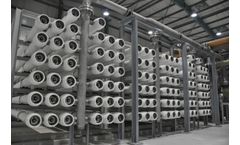
The control of silica fouling in reverse osmosis systems is crucial for maintaining system performance efficiency and longevity. It prevents costly downtime and membrane damage. This article provides practical knowledge on silica scaling in RO systems, its challenges, and effective control ...

Picture this: you’re in charge of an industrial water treatment system. Silica is causing problems, but addressing it seems overwhelming. This guide helps simplify silica removal in industrial water treatment, explaining different techniques to ensure clean water and smooth equipment ...

Installation for the removal of heavy metals by means of electrocoagulation from waste water coming from the cleaning of the bogies at railways in ...
Installation for the removal of heavy metals by means of electrocoagulation from waste water coming from the cleaning of the bogies at railways in ...
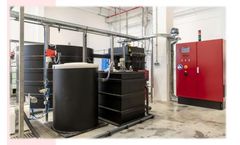
Did you know that electrocoagulation (EC) for wastewater treatment is over 100 years old? In 1906 the first industrial scale system was built to purify bilge water from ships. ...
In an era where clean water is becoming increasingly scarce, innovative technologies are crucial for addressing global water challenges. Electrocoagulation stands out as a cutting-edge solution that combines the principles of electrochemistry and coagulation to purify water efficiently and sustainably. This comprehensive guide explores the intricacies of ...
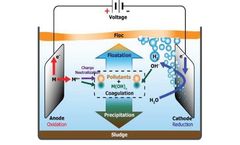
With multiple options available, including lime softening, catalytic media, electrocoagulation and reverse osmosis, selecting the right one for your specific needs can be overwhelming. ...
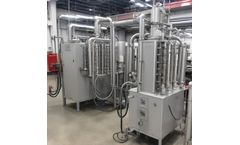
Say goodbye to the days of choosing between effective water treatment and sustainability. Electrocoagulation is transforming water purity. This advanced technology is revolutionizing industrial water purification, offering a powerful and cost-efficient solution for industries ranging from agriculture to energy production. So, what’s the deal with ...

We will also touch on sustainable chemical treatments like flocculation and electrocoagulation as well as ion exchange and advanced oxidation (AOP) disinfection ...
Let’s plunge into the core of industrial water treatment— grasping electrocoagulation in industrial water treatment. It’s a game changer. ...
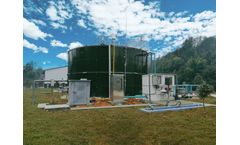
Beneath the pristine facade of Caribbean paradise lies a pressing issue – wastewater management. Island nations grapple with untreated sewage, highlighting the need for innovative solutions. Enter decentralized wastewater management systems, a powerful force addressing environmental and health concerns in the Caribbean ...
Electrocoagulation (EC) is a replacement for metal salts such as ferric chloride and alum in wastewater treatment. ...

Biomedical liquid waste, comprising blood, body fluids, and secretions, is a major concern in the healthcare sector due to its potential to harbor harmful viruses, bacteria, and parasites. Improper management of such waste poses significant risks to human health and the environment, leading to the spread of infectious diseases. Additionally, disposal of biomedical liquid waste without proper ...

To design a wastewater treatment plant, the customer asked us to evaluate the ELECTROCOAGULATION SYSTEM for the removal of typical pollutant in such wastewater and to be able to drain the treated water into the sewer system. ...
To optimize the performances of wastewater treatment plant, the customer asked us to evaluate the ELECTROCOAGULATION SYSTEM for the removal of Heavy metals and to be able to drain the treated water into the sewer ...