
Refine by
Electrodeionization Articles & Analysis
66 articles found
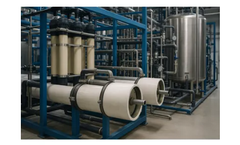
In high purity water systems used in semiconductor manufacturing, technologies such as reverse osmosis, electrodeionization, and advanced membrane filtration generate ultrapure water from incoming sources. ...
Client: Pennsylvania, United States Plant Capacity: 10,000 GPD (38 m /d) Challenges: Addressing regulatory compliance issues for a treatment system that exceeded its lifecycle capability. Overcoming the failure of previous upgrade efforts to improve the existing on-site treatment system. Meeting specific water quality requirements mandated by the Pennsylvania Department of ...

Fluence uses technologies like electrodeionization, ultrafiltration, reverse osmosis, and nanofiltration to remove impurities and minerals. ...
Challenge Leading American coffee chain, Coffee Bean & Tea Leaf, knows the quality of the water - comprising 98% of each beverage’s ingredients - is critical to the taste of each drink they sell. Several regional water quality issues negatively impacted the business’ product and equipment, affecting the beverage maker’s bottom line: Inconsistent Feed Water Supply - ...
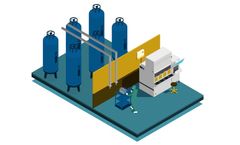
Ultra Pure Water (UPW) is critical in industries where even the smallest impurities can have significant consequences. It is used in semiconductor manufacturing, pharmaceuticals, and high-end laboratories-applications that demand the highest level of purity. Achieving and maintaining this purity requires a complex process and advanced monitoring tools. This blog explores the UPW process and ...
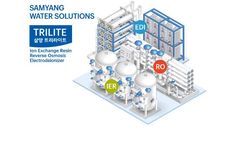
On November 27th, Samyang Corporation (CEO Kang Ho-Sung) announced that they have released new products with their industrial water treatment brand name, "TRILITE" which are TRILITE RO, Reverse Osmosis, and TRILITE EDI, Electrodeionizer. These new products are considered key industrial water treatment materials together with ion exchange resin, playing a primary role in removing ...

Sustainable solutions can reverse the trend of salt pollution’s devastating effects on freshwater ecosystems Many headwater streams in the United States are becoming increasingly saltier, contaminated by mining, wastewater discharge, agricultural runoff, and urbanization. This salinization is changing the water chemistry of these freshwater systems and is having a negative impact on the ...
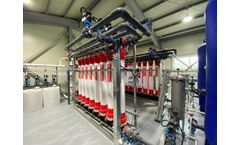
In the world of technology and semiconductor manufacturing, efficiency and sustainability are critical factors that drive innovation. With the rise of demand for electronic devices, the production of wafers, a semiconductor material, has been increasing significantly. However, the process generates a considerable amount of wastewater, which can pose a challenge for companies to find an efficient ...
When looking for ways to purify water, clients often ask us about the difference between Reverse Osmosis Water and Distilled Water. In general, these two terms refer to water purification methods that provide contaminant-free water, but through different treatment systems. For home use, the difference between reverse osmosis and distilled water is minimal, but for industrial applications ...
ByYASA ET
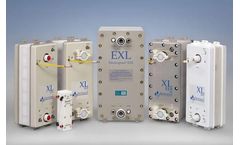
Mechanism of Silica Removal in Electrodeionization (3-Zone EDI Model) Keywords: Electrodeionization, EDl, CEDI, Water, Pure, Ultrapure, Silica, SiO2, Silicic acid, H4SiO4, Reactive; Non-reactive; Colloidal; Reverse Osmosis; lon-Exchange; Resin; Anion; Cation; Fouling; Rejection; Process design; Membrane; Zones; Electropure; SnowPure Abstract: ...
Distillation and deionization are typically only used in industrial or commercial settings, while reverse osmosis is used in commercial and residential environments. Continuous Electrodeionization (CEDI) Process Due to a deionization process, the water is completely free (or almost) of dissolved minerals such as: Sodium Calcium Iron Copper Chloride / Sulfate Thanks to ...
ByYASA ET
Water Treatment plants for customized applications is our forte.. Treatment Plants for critical applications in various Pharmaceuticals etc have also been supplied. ...
The history of water purification spans thousands of years. Water purification systems are even depicted in hieroglyphs from Ancient Egypt. Although some of these systems were primitive, such as boiling water, or filtering through sand and gravel, the goals were the same then as they are now: clean, contaminant-free water for our daily ...

But some applications such as pharmaceuticals require an even higher level of purity. In most situations, electrodeionization systems can provide higher ultrapure chemical free water production. Reverse osmosis (RO) and electrodeionization (EDI) are complimentary but distinctly different technologies. Here are some differences between reverse osmosis (RO) and ...
Keep reading to learn more about electrodeionization systems and reverse osmosis water ...
Water solution treatment and demineralization remain a critical part of most industrial operations. Ultra-pure water is a vital component for all manufacturing plants, including pharmaceuticals, energy production, food industries, and many more. The best water solutions ensure efficient production processes as well as maintaining the quality of manufactured products. But how do you pick the right ...
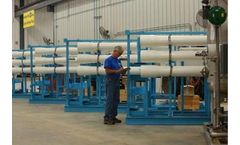
Pure water isn’t just necessary for our personal health and the health of communities. It’s a vital ingredient in the production of our foods, beverages, and medicines. It plays an important role in manufacturing, fuel, and power generation. It even plays a part in national security. However, strains on natural water sources pose a threat to all of the industries, institutions, and ...
Electrodeionization technology removes contaminants from water through deionization with continuous regeneration. ...

Industries requiring high purity or ultrapure water such as the Semiconductor, Pharmaceutical, Laboratory and Power may not be aware that Electrodeionization (EDI) is the go-to replacement for DI canisters (which require onsite or offsite chemical regeneration). ...
Electrodeionization (EDI) is an electrically driven water treatment machine that may be used in conjunction with (or in place of) your facility's existing water solution. Electrodeionization technology removes water impurities by combining electricity with ion exchange resin to deionize water, thus removing materials such as salts and other contaminants. Below ...