
Refine by
Emergency Evacuation Articles & Analysis
45 articles found
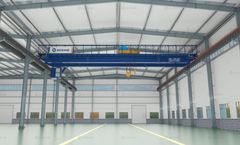
Key considerations include:Avoiding interference with pedestrian traffic and other machineryEnsuring sufficient clearance for emergency evacuation routesProviding access for maintenance of cranes, hoists, and supporting railsImplementing anti-collision and overload protection systems Accessibility also includes positioning crane controls—either pendant, ground, ...
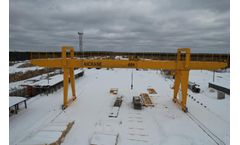
Rain, snow, or ice can reduce the friction grip of slings, necessitating the use of additional securing measures.Brake and Control System Check: Test the crane’s braking system, limit switches, and emergency stop functions to ensure they are responsive. Electrical systems should be inspected for moisture ingress.Weather Monitoring: Always consult up-to-date weather forecasts and ...
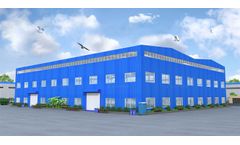
Debris Removal: Clear debris, loose objects, equipment, containers, signage, pallets, and construction materials from the exterior of the warehouse to prevent wind-borne projectiles, flying debris, or obstructions that may damage the building or adjacent structures. Emergency Preparedness and Response Develop and implement an emergency preparedness plan, ...

Introduction The recent eruption on the Reykjanes Peninsula in Iceland has not only captivated observers with its raw natural beauty but also raised urgent questions about its effects on the environment and air quality. With volcanic activity posing a constant threat in various parts of the world, the necessity for accurate and timely monitoring of volcanic emissions has never been more ...

Maintain safe clearances and avoid contact with overhead structures or equipment. Emergency Procedures Familiarize yourself with emergency procedures and protocols for responding to potential hazards or accidents. Know how to activate the emergency stop button and shut down the crane in case of an emergency. Be prepared to ...

Operator training programs should cover topics such as equipment operation, safety procedures, emergency protocols, and maintenance requirements. Operators should be familiar with the controls and functions of the straddle carrier, including steering, lifting, and spreading mechanisms. ...
In employee safety and business continuity in Kentucky, hole watch personnel play a critical role in ensuring the well-being of workers involved in confined space activities. A hole watch, or confined space attendant, is a trained individual who plays a key role in ensuring the safety of workers operating in confined spaces. Their primary responsibilities include monitoring the safety conditions ...
The position of a confined space supervisor is pivotal in ensuring safety in challenging work environments. A confined space supervisor is responsible for overseeing and ensuring workers’ safety in environments not designed for continuous occupancy and may present hazards. This role requires specialized knowledge and skills to identify potential risks and implement safety ...
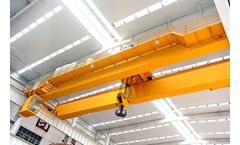
Operating a crane in adverse conditions requires extra caution and may necessitate adjustments to the lifting plan. Emergency Procedures Being prepared for emergencies is critical in crane operations. Operators should be familiar with emergency shutdown procedures, evacuation plans, and first aid measures. ...

This training method helps operators familiarize themselves with the crane's controls, responsiveness, and limitations without the inherent risks associated with operating the actual machine.Simulator training allows operators to hone their skills in tasks such as container handling, precise positioning, and emergency response. It also provides a platform for practicing in ...
In industries where workers must navigate tight and potentially hazardous areas, understanding the dynamics of a confined space team is essential. These teams are not just groups of individuals; they’re highly trained professionals, each with a specific role, working together to ensure everyone’s safety. In this article, we’ll break down the various roles within a confined space ...
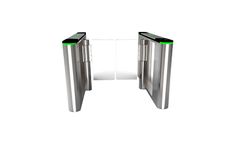
To enable open or restricted access, the tripod turnstiles are simple to integrate with any traditional access control system. Most of them permit free evacuation in case of an emergency, power outage, or as necessary by the administrative systems. ...

These alarms provide an immediate warning, allowing workers to evacuate, initiate emergency protocols, or take necessary actions to mitigate risks. ...
Properly ventilating a confined space is an essential aspect of ensuring the safety of individuals working or entering such environments. Confined spaces, characterized by limited entry and exit points and restricted airflow, can pose serious risks due to the potential accumulation of hazardous gases, lack of oxygen, or other dangerous conditions. Whether it’s a manhole, storage tank, ...
Organizations need clear emergency plans. These plans should detail what to do in the event of gas-related hazards, such as evacuations and rescue operations. ...

Workers who have to respond to flooded areas face the greatest risks from floods, but all workers can help protect themselves by preparing evacuation plans and learning about the hazards commonly associated with floods. The Preparedness page provides information on making an evacuation plan, emergency supply kits, and flood watches and warnings. ...
Do you know what a permit required confined space is? If not, you should read this guide. OSHA has specific regulations in place for permit required confined spaces and failing to comply can result in hefty fines and safety dangers. In this guide, we will discuss what a permit required confined space is, the hazards associated with them, and how to work in one safely. Let’s get started! ...

Challenge Accounting for more than 1200 personnel, as well as visitors, at any given time is an arduous task, and even harder in the chaotic environment of an emergency. Every second count when it comes to the safe evacuation of individuals in such events. Ferrero needed a way to confirm that all its employees could be safely accounted for when an ...

Essential Elements Include: Safety Policy Statement Written Safety Program for Contractors and Subcontractors Assignment of Management and Safety Responsibilities New Hire or New Site Workers Orientation Employee Safety Rules Posting of Required Signs and Notices Accident/Injury Report System including First Aid/CPR Safety Committee/Tool Box Safety Meetings What To Do If OSHA Arrives ...
Generally, the program elements that require special expertise are: Confined Space Hot Work Lock-Out/Tag-Out (LOTO) Job Hazard Analysis Respiratory Protection Air and Noise Monitoring Emergency Response Evacuation Personal Protective Equipment Medical Surveillance Fall Protection Environmental Protection Training We have developed site-specific ...