
Refine by
Emissions Technology Articles & Analysis
443 articles found

Discover the top water tech trials bottlenecks that derail innovation, and learn practical ways to avoid them. This is the second of a three-part blog series on how the Trial Reservoirs Initiative is helping accelerate tech adoption in the water sector and beyond. Want to steal our model? Find out how in our first blog, here. The global water industry is experiencing a boom in tech trials ...

Organic pollutants are completely decomposed, and recovered heat is reused within the process to improve overall energy efficiency.Results VOC removal efficiency above 99% Suitable for medium- and high-concentration organic emissions High thermal recovery efficiency Lower long-term operating costsRTO technology remains one of the most widely used and proven ...
Process exhaust passes directly through the combustion chamber, making DFTO technology particularly suitable for applications with medium to high VOC concentrations.DFTO systems are commonly used for:Chemical manufacturing exhaust treatment Pharmaceutical solvent emissions control Petrochemical VOC abatement Printing and packaging exhaust treatment Industrial ...

Volatile Organic Compound (VOC) emissions are among the most significant environmental challenges facing tire and rubber manufacturers worldwide.As environmental regulations continue to tighten across Europe, North America, and Asia-Pacific, manufacturers are under increasing pressure to reduce emissions, improve energy efficiency, and support long-term ...

Introduction As environmental regulations continue to tighten worldwide, controlling Volatile Organic Compound (VOC) emissions has become one of the most important challenges facing the printing and packaging industry. ...
For many years, thermal oxidation technologies such as RTO and RCO dominated the VOC control market. However, for high-value organic solvents such as dichloromethane (DCM), toluene, IPA, ethyl acetate, and MEK, thermal destruction often creates major operational disadvantages: Valuable solvents are destroyed instead of reused Energy consumption remains high CO₂ ...
On May 4, 2026, the International Energy Agency (IEA) released the Global Methane Tracker 2026, outlining technology pathways and implementation considerations for methane emissions reduction across the global energy sector. ...

Traditional disposal methods, including landfilling and open incineration, contribute to soil degradation, water contamination, and the emission of hazardous gases. Pyrolysis plant technology offers a scientifically grounded solution by transforming diverse industrial waste streams into recoverable energy and materials while minimizing ecological impact.Reduction ...
Waste Gas Treatment Challenges Due to the complex physical and chemical properties of PV manufacturing exhaust, traditional single treatment technologies cannot meet industrial emission standards. The core challenges faced by PV waste gas treatment are summarized as follows: Mixed Exhaust Components: Acidic gas, alkaline gas, organic VOCs and special toxic gas ...
The major treatment challenges are summarized below: Complex and variable solvent composition: When switching between different product types, exhaust gas compositions change significantly, making it difficult for a single treatment technology to fully adapt and effectively process all conditions. Stringent emission standards: Environmental regulations in China ...
The evolution of continuous pyrolysis technology represents a substantial advancement in industrial waste treatment methodology. ...
Under this global policy framework, continuous plastic pyrolysis technology is gaining attention as an innovative solution for plastic waste management and resource recovery. ...
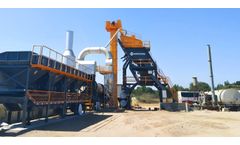
In remote regions with volatile fuel supply chains and tightening emission regulations, advanced combustion technology eliminates operational vulnerabilities that expose contractors to catastrophic shutdowns and regulatory penalties. The higher hot mix plant price translates directly into fuel flexibility, emissions compliance, and uninterrupted ...
ByMacroad
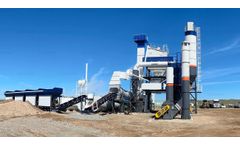
These solutions include advanced emission control technology, noise reduction techniques, and the use of sustainable materials. By addressing specific environmental challenges, manufacturers can ensure compliance with stringent regulations while promoting eco-friendly practices that benefit both the environment and local communities. Advanced ...
ByMacroad
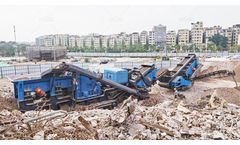
Stricter environmental reviews push companies to adopt cleaner technologies, implement better waste management, and optimize plant layouts. ...

This significantly reduces harmful gas emissions and the environmental impact of waste. According to relevant statistics, using pyrolysis equipment to treat waste plastics can reduce harmful gas emissions by over 80%. ...

Given its substantially environmental impact, governments worldwide have been introducing stricter vehicle emission standards, forcing automakers and components suppliers to innovate in emission control technologies, cutting emissions more effectively and efficiently. ...

Key properties of Aluminium for industrial applications Aluminium has become the metal of choice for modern manufacturing. Its unique combination of light weight, strength, and versatility makes it ideal for applications across the automotive, aerospace, construction, energy, and electronics ...

How a simple question led to a breakthrough in oven emissions reduction technology It’s a familiar story in engineering: a product designed for one application finds unexpected success in another. ...

CAC2003 offers complete multi-lingual support for the SPECIATE and FIRE profiles for criteria and hazardous air ...