
Epa Subpart Articles & Analysis
33 articles found
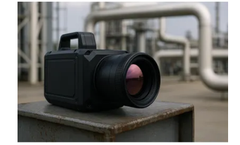
This sensitivity difference translates into the ability to detect minute density changes and reduce missed leaks.Certification and regulatory compliancePremium units include Intrinsically Safe certification (Zone 2/Class I Div 2) to avoid ignition hazards and hot-work permits. They also support EPA Appendix K compliant manufacturing, automated calibration validation, and data ...
ByOPGAL
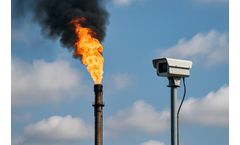
The downstream petrochemical sector treats flare stacks as both a critical safety valve and a high-stakes compliance target. Under EPA CAM mandates, refineries must provide continuous, empirical verification that their emission control systems achieve their destruction efficiency. ...
ByOPGAL
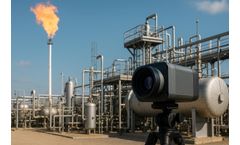
As of 2026, NSPS OOOOa facilities operate in a regulatory landscape where legacy compliance coexists with EPA Subpart W mandates and satellite-based enforcement. The coexistence of legacy OOOOa standards with the higher-definition requirements of EPA OOOOb/c creates a regulatory risk, as third-party satellite networks and automated enforcement ...
ByOPGAL
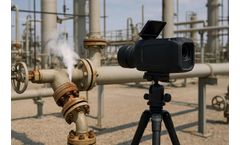
The 2026 regulatory landscape has moved beyond find and fix. With the finalization of the EPA Subpart W revisions and the Methane Waste Emissions Charge rising to $1,500 per metric ton, simply visualizing a leak is no longer sufficient to protect a facility’s bottom line. ...
ByOPGAL

The global energy sector is undergoing a Regulatory Great Reset as NSPS OOOOa passes into history and EPA OOOOb/c and Subpart W redefine compliance. The shift from calculated estimations to empirical verification is enabled by EPA AI and satellite monitoring, creating a new 24/7 enforcement environment. ...
ByOPGAL
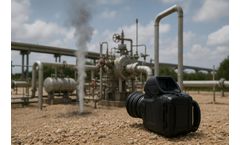
The introduction of EPA OOOOb for new, modified, and reconstructed sources and OOOOc for existing sources represents a 400% increase in the regulated infrastructure and data collection burden.The “Super Emitter” Response Program SERPThe EPA has authorized certified third parties to identify large methane releases using satellite data, aerial flyovers, and remote ...
ByOPGAL
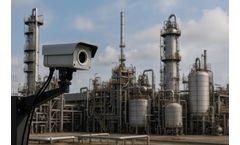
This snapshot approach is reactive and increasingly outpaced by regulatory expansion, including EPA OOOOb/c guidelines and Subpart W reporting by 2026. CTOs and Innovation Managers must pursue continuous, uninterrupted visibility, moving from snapshot LDAR to continuous LDAR. ...
ByOPGAL
How Artificial Intelligence Is Reshaping Emissions Monitoring and Reporting Introduction: Why EPA AI Is Becoming a Regulatory Turning Point The integration of EPA AI into environmental regulation marks a significant shift in how methane emissions are monitored, analyzed, and reported across the energy and industrial sectors. As methane regulations grow more ...
ByOPGAL
Optical gas imaging continues to evolve as industries demand higher sensitivity, greater reliability, and stronger field performance for methane and VOC detection. Among the technologies contributing to these advancements is Sierra Optical, a class of high precision optical components engineered for superior infrared transmission, stability, and spectral accuracy. As OGI systems grow more ...
ByOPGAL

Using gas cameras and leak detection cameras to protect workers, prevent accidents, and strengthen regulatory compliance Introduction: Safety at the Frontline of Industrial Operations High-risk industrial zones – including refineries, petrochemical plants, offshore platforms, power generation facilities, chemical processing units, and manufacturing complexes – operate under ...
ByOPGAL
Environmental Protection Agency (EPA) continues to sharpen its focus through updates to its Greenhouse Gas Reporting Program (GHGRP). One of the most significant developments is the Subpart W Proposed Rule, which updates the framework for reporting methane and other greenhouse gas emissions from oil and gas operations. While EPA ...
ByOPGAL
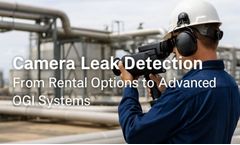
Introduction: Why Camera Leak Detection Matters Gas leaks pose significant safety, environmental, and financial risks. Methane and other volatile compounds are invisible to the naked eye, but even small leaks can lead to catastrophic accidents, regulatory fines, and lost revenue. For decades, industries relied on handheld sensors that could only measure one point at a time. Today, a camera leak ...
ByOPGAL
Environmental Protection Agency (EPA) has developed a series of frameworks and regulations designed to monitor, report, and reduce methane emissions. Among the most significant are EPA Appendix CAM (Continuous Air Monitoring), EPA Subpart W of the Greenhouse Gas Reporting Program (GHGRP), and the newly strengthened ...
ByOPGAL
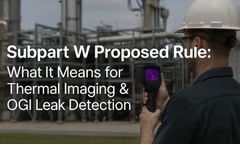
For years, reporting programs relied heavily on emission factors and engineering calculations, which often underestimated the true scale of the problem. The EPA’s Subpart W Proposed Rule is a turning point. By requiring operators to adopt measurement-based monitoring and expand the scope of emissions reporting, the rule sets a new standard for ...
ByOPGAL
Among the most important updates issued by the Environmental Protection Agency (EPA) in recent years are the NSPS Subparts OOOOa, OOOOb, and OOOOc — each building upon the last to increase stringency in emissions monitoring and leak detection. ...
ByOPGAL
The landscape of industrial leak detection is undergoing a dramatic transformation, and 2025 marks a new chapter in this evolution. At the heart of this shift is optical gas imaging (OGI)-a technology that has rapidly advanced to become smarter, faster, and more precise. Once considered a specialized tool used only by elite inspection teams, OGI cameras are now becoming standard across a broad ...
ByOPGAL

Gas leaks pose critical risks to safety, productivity, and environmental compliance. This article explores how advanced gas leak detection cameras using optical gas imaging (OGI) can prevent downtime and disasters. From real-time visualization to regulatory benefits, we explain why OGI is becoming an industry must-have—and how solutions like the Ventus Leak Detector exemplify the new ...
ByOPGAL
As EPA regulations like OOOOa, OOOOb, and Subpart W tighten, industries face growing pressure to enhance emission monitoring. ...
ByOPGAL
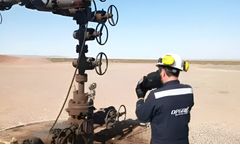
The ability to see gas leaks in real time has revolutionized leak detection. What was once a reactive process relying on handheld sensors and periodic inspections has now become a proactive, visual practice-thanks to the advent of optical gas detectors and imaging cameras. These devices give maintenance teams and safety personnel the power to identify even small leaks before they escalate into ...
ByOPGAL

Introduction If you are like most people, you probably don't know much about SF6, the greenhouse gas sulfur hexafluoride, but you should. Because it is the worst greenhouse gas that you have never heard of. In fact it is 25,000 times more damaging to the environment than carbon dioxide (C02). For a long time, smaller companies did not have an obligation to report on SF6 based on estimated leak ...