
Refine by
Ferrous Metal Separation Articles & Analysis
38 articles found

By converting waste glass into clean crushed glass (cullet), these machines facilitate the separation of impurities and convert waste into reusable raw material. They are used in waste treatment plants, municipal solid waste management facilities, and the hospitality industry. Step-by-Step Glass Recycling Process Industrial glass recycling involves: collection and feeding on ...

Some operations integrate magnets and air separators to remove ferrous metals and light contaminants, producing a clean aggregate that rivals virgin quarry products. ...
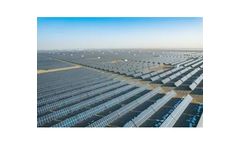
It processes 1,000 tons of waste daily using two-stage shredding and mechanical separation to sort ferrous metals, non-combustibles (e.g., glass, stones, ash), and combustibles. ...
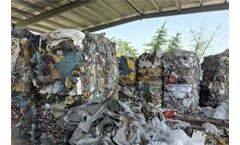
The whole processing system adopts the two-stage shredding concept, and then the magnetic separator removes the iron metal, which ensures SRF with the particle size of 50-100mm to satisfy the standard rate of more than 95%. ...
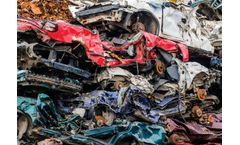
End-of-life vehicles are a valuable source of secondary raw materials, including mixed metals. From body parts to components and electronics, sensor-based metal sorting systems effectively detect, separate and purify the various non-ferrous metal fractions found in automotive shredder residue (ASR). Achieve ...

Eddy currents are an electrical phenomenon that occurs when a conductor (metal) passes through a changing magnetic field. The relative motion causes a circulation of electrons, or induced current within the conductor. These circular eddy currents create electromagnets with magnetic fields that oppose the effect of the applied magnetic field. ...

Why is Sorting Waste Important? There are many different ways that waste recovery facilities sort and prepare waste. On this scale, machinery is often used to make the process more efficient. Waste sorting municipal waste often starts manually at the household. It is important that waste is sorted before it moves onto the next process of treatment or disposal. This will determine the preferred ...

Following a surge in orders for their mobile metal separator, Steelweld Enviro Products Ltd and CRJ Services have ordered six (6) Bunting Eddy Current Separators and Rare Earth Drum Magnets in the first quarter of 2021. The Eddy Current Separators separate non-ferrous metals from ...

When you bring in scrap metal to a recycling facility for processing, the first thing that will happen is that the metal will be separated into ferrous (iron-containing) and non-ferrous (non-iron-containing) materials. ...
Crushing quarried aggregate is a key process stage of most quarries and when recycling demolition waste. Effectively protecting the crusher from rogue tramp metal damage prevents production losses and repair costs. The wide range of available crushing technology enables the production of optimally sized aggregate. Whereas Jaw and Gyratory designs commonly feature as primary crushers, secondary ...
Global Recycling Day provides the perfect platform for reflection and planning. Successful and extensive recycling reduces the pressure on the planet’s finite resources, whilst also providing desperately needed environmental protection. Many experts predict that the failure to radically change the way waste is produced and managed will result in irreversible damage. The future of the ...
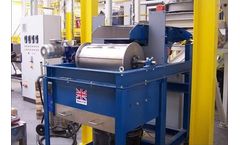
There is a wealth of valuable metals present in WEEE (Waste of Electrical and Electronic Equipment) and cables. However, the recovery is often difficult due to the small particle size range and variable nature of the metals. With the development and launch of the ElectroStatic Separator [in 2020], Bunting now provides a complete multi-stage metal separation solution incorporating several ...
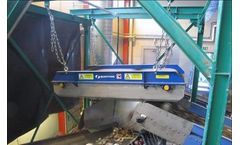
The Overband Magnet is one of the most commonly used magnetic separators. Different designs are used in nearly all process industries and especially in mining, quarrying, recycling, and bulk handling ...
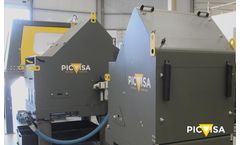
SEPARATION OF PET AND HDPE CONTAINERS WITH ECOPACK 3000 We started “traveling” to Riba de Ave (Portugal), where PICVISA supplied and installed an ECOPACK 3000 optical separator with a double track in a light packaging sorting plant. In it, PET and HDPE are mainly separated, two fractions that are classified by the optician. How? ...
Recycling plants around the world rely on Eddy Current Separators to separate and recover non-ferrous metals. The technology utilises high strength magnetic forces to repel and eject non-ferrous metals in many different forms including aluminium beverage cans, car frag, and foils. The large ...
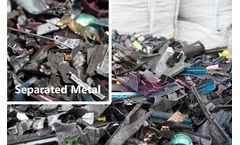
A high-strength Rare Earth Drum Magnet separates the ferrous metal constituent of shredded secondary laser and toner cartridges at BCMY’s UK cartridge recycling operation. The efficient removal of ferrous metal protects downstream shredders, whilst also maximising the purity of the end recycled product. ...
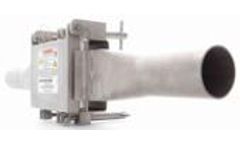
The Inline Magnet is a versatile and popular magnetic separator used widely to capture tramp ferrous metal contamination. The non-obstructive design suits applications in many different applications including food processing and plastics. ...
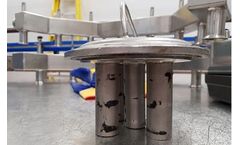
A Magnetic Separator attracts, captures and holds magnetic particles. The magnetic strength needed to successfully separate such problematic ferrous metal contamination is commonly stated in a magnetic separator supplier’s quotation or specified in the tender. ...
Such technology enables the recovery and purity enhancement of valuable non-ferrous metals, with both technologies having certain key operational and separation benefits. This technical review compares and contrasts the two separation technologies by assessing: The principles of separation – the ...
Effectively removing both ferrous and non-ferrous metals is essential to prevent damage to processing plant such as granulators, improve the performance of other sorting processes, and to ensure end-product purity. Ferrous metal is the easiest contaminant to remove using one of a wide range of magnetic ...