
Refine by
Fly Ash Articles & Analysis
245 articles found

The following elements are measured by Xact and their typical source associations:Al — CrustalSi — Crustal, brakes, road dustP — Sea salt, volcanic activityS — Ship emissions, secondary aerosol, coal combustion, fireworksCl — Sea salt, secondary aerosol, brick kiln, steel production, garbage burning, fireworks, road de-icerK — Biomass burning, waste incineration, coal combustion, fireworksCa — ...

Stage 1: Wet FGD + Wet ESP Pretreatment The pretreatment section serves as the first line of defense for the entire system.Its primary functions include removing:Sulfur dioxide (SO₂) Acid gases (HCl, HF) Fly ash and particulate matter Fine dust (PM10 and PM2.5) Particle-bound heavy metalsBy eliminating corrosive and particulate contaminants before the ...
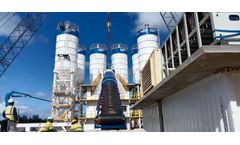
Negative pressure ventilation within the enclosed structure, directing all internal air through centralized filtration before discharge, ensures that the enclosure itself does not become a pressurized dust source through leakage at access points.Cement and Cementitious Material Handling Enclosure Cement and supplementary cementitious materials — fly ash, ground ...

Supplementary cementitious materials like fly ash or ground granulated blast furnace slag can replace a portion of the cement. ...
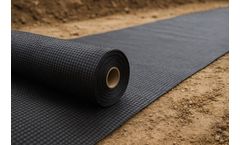
This guide summarizes core functions and the specifications engineers should consider for diverse projects.Applications of Filament Woven GeotextilesRailways & Highways: Reinforcement and SeparationSoft Ground Improvement: Laid at the base of the roadbed to form a reinforced cushion layer, enhancing bearing capacity and controlling settlement.Separation Layer: Separates ballast from the roadbed, ...
The cost of storing materials—along with related salaries, transportation, handling, taxes, insurance, depreciation, and shrinkage—could add up to 10-30% of total inventory costs, according to Investopedia. ...
Super cement producers care about people, products, and profit. 3D scanners, laser, and radar technologies ensure accurate monitoring of product levels. No manufacturer wants to risk a bad batch due to missing materials. That's where sensors come in. Cement manufacturers find non-contact level sensors attractive for several reasons: ...
Danger lurks in, around, and on top of storage silos. In a proactive approach to employee safety, a leading North American cement producer undertook a company-wide initiative to reduce risk. Their solution to keep people firmly grounded in a culture of safety? Automating silo level measurement using a variety of level sensors. The goal of the silo safety initiative was to eliminate the inherent ...
Traditional batching systems were designed primarily for Portland cement, often struggling to accurately handle and incorporate supplementary cementitious materials (SCMs) like ground granulated blast-furnace slag (GGBS), fly ash, or natural pozzolans. Contemporary plants now feature dedicated silos, specialized weighing hoppers, and precise metering systems ...
Consistent feeding prevents interruptions in batching cycles, which is essential during continuous paving operations.Cement And Fly Ash Handling Cement is stored in vertical silos connected to screw conveyors.Dust Control Measures A modern concrete plant(planta de hormigón) integrates dust collectors to minimize environmental impact—particularly important for ...
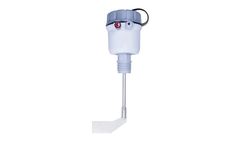
Figure 3Typical installations include flour, grain, plastic pellets, cement, lime, fly ash, animal feed, and similar bulk solids. Horizontal or vertical mounting is supported; choose a shaft length to suit the material and geometry. ...
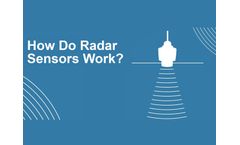
Want to learn more about how radar measurements work? Curious about radar sensors’ strengths and limitations? You’re in the right place! Senix’s compact non-contact radar sensors—or CNCRs—utilize an 80 GHz radar signal to gather level measurements of bulk solids and liquids. This signal is sent through the face of the antenna in the form of a beam. It reaches the ...
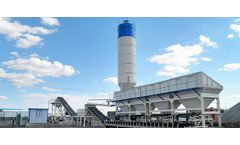
Stabilized soil batching plants play a crucial role in construction by providing various types of stabilized soil, such as cement-stabilized soil, lime-stabilized soil, and lime-fly ash-stabilized soil. Each type has unique requirements regarding raw material ratios, mixing times, and forming processes. ...
ByMacroad
When paired with supplementary cementitious materials like fly ash or slag, the environmental benefits compound further.The self-loading cement mixer represents more than just equipment innovation—it embodies a fundamental shift toward conscientious construction. ...
Innovations like recycled aggregates and industrial byproducts (e.g., fly ash) are easing these pressures.Sustainable Practices and Future Innovations Low-Carbon Alternatives and Material Substitutions Researchers are exploring geopolymers and limestone-calcined clay as cement substitutes, slashing CO₂ output by up to 40%. ...

Abstract Coal fly ash is a low-value by product generated during industrial coal utilization, especially in coal gasification processes. ...
These systems leverage AI to minimize cement content while maintaining strength specifications, automatically incorporating supplementary materials like fly ash or slag based on availability and performance characteristics. ...
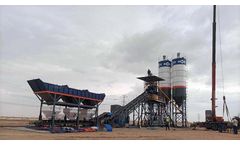
They’re integrating supplementary cementitious materials like fly ash, slag, and calcined clays, cutting emissions without compromising strength.But the real secret sauce? ...

The Hoskinson Medical Waste Plant has been disposing of the Hospital's bio-hazardous waste efficiently and effectively. It is easy to operate and is a proven asset to Hospital ...
For consulting engineers tasked with planning, designing and supervising construction projects, today’s zero-emission high-voltage electrode boilers offer advantages over traditional fossil-fuel burning models. Used for centralized heating, power plants, swing-load balancing and fuel boiler replacements, they can match the capacity (up to 65 MW) and output (270,000 lb of steam per hour) of ...