
Refine by
Glass Separation Articles & Analysis
67 articles found
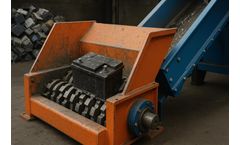
A typical pre-shredder is a slow-speed, high-torque rotary unit that reduces whole batteries to coarse fragments, generally in the 50–150 mm range, prior to the main breaker, hammer mill, or crusher downstream.How pre-shredders behave with LABs When a LAB enters a rotary pre-shredder, the polypropylene casing is gripped and torn, releasing lead plates, lead-oxide paste, glass mat ...
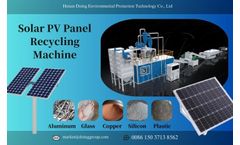
Solar panels typically consist of a multi-layered structure comprising glass, metal frame, encapsulating materials, and photovoltaic core. During the recycling process, these components can be processed and separated to recover a variety of materials. ...

Glass recycling is a growing global priority, yet the total global recycling rate stands at only around 21% of glass produced. ...
PICVISA, a renowned optical sorting machine manufacturer based in Barcelona, Spain, offers a comprehensive range of optical sorting solutions including ECOGLASS, ECOPACK, and EcoFlow systems for glass, plastics, textiles, and metals recycling. What Is an Optical Sorting Machine? ...
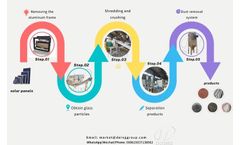
This approach enables our solar panel recycling machine to accommodate varying processing capacities—including standard capacity: 500kg/h and 1000kg/h, as well as additional customized configurations—to accommodate recycling projects of different scales and minimize unnecessary energy waste. ② System Integration and Optimization Study As a manufacturer of solar panel recycling ...
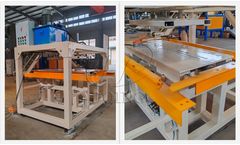
Since the EVA adhesive layer bonds the glass, solar cells, and backsheet together, specific technologies are required to separate them. ...
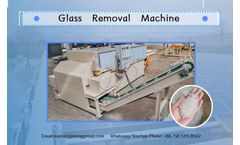
This process effectively reduces the adhesion between the glass and the solar cells, laying the foundation for subsequent separation. ...

Its potential hazardousness is what places the separation and treatment of discarded waste as one of the priorities in the European “green agenda” for the coming yearsHow you can make a difference: Practical steps Apply the 3Rs: Reduce (buy in bulk, use reusable bags, avoid single-use plastics), Reuse (bottles, clothes, water for plants) and Recycle correctly ...

Estimated ranges for 2026 are: Cost Component Cost (€ / panel) Notes Reverse logistics 5–12 Includes cross-regional transport, low-emission zone restrictions, and container handling Mechanical / pre-processing 3–6 Frame and junction box removal, glass separation, lamination shredding and sorting; silver recovery is low, aluminium and copper can ...
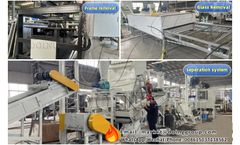
This method is simple and cost-effective, allowing for the recovery of large quantities of glass and aluminum. It involves dismantling, crushing, and physically separating the components of the solar panels: Initial Disassembly—The solar panel components are mechanically disassembled, removing external components such as the aluminum frame and junction box, ...
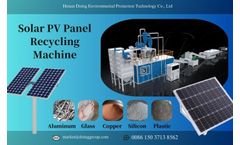
Resource Conservation: Recycling Precious MaterialsA typical solar panel contains 75% glass, 10% aluminum, and 5% silicon. Recycling one ton of panels saves 1.2 tons of raw materials. ...
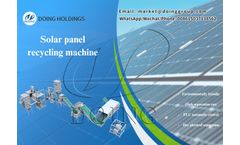
The electronic components inside the junction box, such as resistors, capacitors and wires, can also be recycled and reprocessed to reduce the discharge of electronic waste. 2. Separating glass and backplane materials Glass is one of the main components of the solar panel and can be separated by simple physical methods. Usually ...
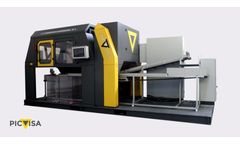
For example, in glass: separating bottles from jars; in paper and cardboard: newspapers from magazines and boxes; in metals: cans from aerosols, etc. ...
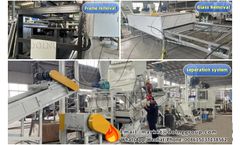
Through professional equipment, the metal frame, glass and other recyclable materials in the solar panel are separated. DOING company has corresponding aluminum frame disassembly machine and glass removal machine for the solar panel disassembly process. Disassembly, crushing and separation are carried out through physical machine ...

Workflow: Phase I: Frame Separation Automated removal of aluminum frames , preparing modules for subsequent material extraction. Phase II: Glass-Backsheet Delamination Advanced thermal or mechanical techniques dissociate glass from polymer backsheets. ...
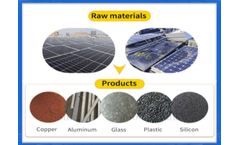
Resource reuse: The main materials of solar panels include silicon, glass, aluminum, etc., among which the resource reserves of silicon are limited. ...

They can be composted using advanced waste management compactor solutions. Recyclable: Includes plastics, glass, metals, and paper/cardboard, which can be processed to create new products. ...
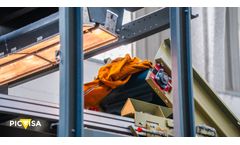
The main goal of a material recovery facility is to process recyclables, separating and then marketing them as valuable raw materials for the manufacturing of new products.It’s important to highlight that MRFs are not the same as global material recovery services. ...

For example: 1. Glass fiber separator: widely used in lithium-ion batteries, lithium air batteries, high rate lithium-ion batteries, and aqueous zinc ion batteries, it is favored due to its high porosity, good liquid absorption, and high temperature stability. 2. ...

Designed with a daily processing capacity of 1,000 tons, the system utilizes a two-stage shredding and mechanical separation process to efficiently classify and extract different waste components. The pre-treatment technology enables the separation of ferromagnetic metals, non-combustible materials such as glass, stones, and ash, as well as ...