
Refine by
Glass Sorting Articles & Analysis
30 articles found

What is a glass sorting machine? A glass sorting machine is a system designed to automatically identify and separate glass fragments according to their composition, colour and other optical characteristics, while also detecting the presence of contaminants. ...

PICVISA's AI-powered optical sorters use hyperspectral cameras to identify fiber types, colors, and fabric conditions at high speed without physical contact — solving the critical bottleneck of sorting that prevents circularity. The Role of Sorting Technologies Without proper sorting, mechanical recycling breaks fibers without control; ...
Glass recycling is a growing global priority, yet the total global recycling rate stands at only around 21% of glass produced. ...
Hyperspectral imaging (HSI) is transforming how recycling facilities identify, sort, and separate materials with unprecedented accuracy. PICVISA, a pioneering machine vision systems company, equips all its sorting solutions with HSI using near-infrared (NIR) technology, enabling the identification of materials by their chemical composition, shape, and color. ...
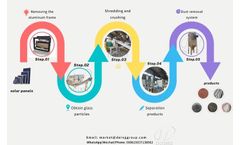
These solutions encompass the entire recycling workflow, including key stages such as solar panel disassembly, crushing, and sorting. Through energy balance calculations, we assess the equipment's energy consumption and output during operation, thereby ensuring that the recycling process is both highly efficient and energy-conserving. ...
Glass recycling How recycling glassware benefits the environment Is glass the same as crystal? ...

Estimated ranges for 2026 are: Cost Component Cost (€ / panel) Notes Reverse logistics 5–12 Includes cross-regional transport, low-emission zone restrictions, and container handling Mechanical / pre-processing 3–6 Frame and junction box removal, glass separation, lamination shredding and sorting; silver recovery is low, aluminium and copper can ...
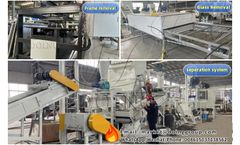
The sustainable solar module recycling process typically includes: 1. Mechanical Disassembly and sorting: Removing external components such as aluminum frames and junction boxes. ...
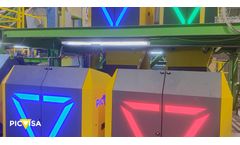
Citizens have finally become aware that good waste management requires separation at source and proper recycling.However, it was not until the 80’s that recycling began to gain importance in our country. In fact, it was then that glass companies installed the first glass recycling containers in San Sebastian, Madrid and Barcelona. ...
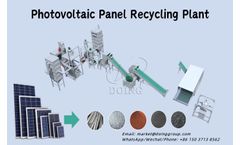
The main materials of photovoltaic panels include silicon, glass, aluminum, copper, etc. These materials have high recycling value and can be sold directly or reused in the manufacturing process, which not only reduces production costs but also promotes the circular economy. ...
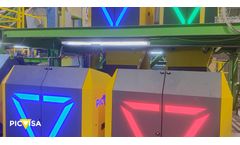
However, it was not until the 80’s that recycling began to gain importance in our country. In fact, it was then that glass companies installed the first glass recycling containers in San Sebastian, Madrid and Barcelona. ...
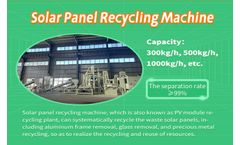
Each of these components has its own recycling potential: Glass: Makes up about 75% of solar photovoltaic panels and can be recycled into new glass products. ...
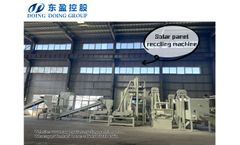
The main purpose of recycling solar panels is to extract and reuse valuable materials such as silicon, glass, metals (such as aluminum and copper), while reducing environmental pollution and resource waste. ...

Cutting-edge innovations in glass recycling to ensure its endless recycling cycle Glass is characterized by its ability to be recycled endlessly without losing its essential properties. ...

Implementing efficient construction waste recovery solutions could enable significant recycling of flat glass. The industry expresses its readiness to support the development of collection, sorting and recycling of construction glass, as well as to incorporate more recycled glass in its manufacturing process, which would result ...

According to Glass Europe (the European trade association for the flat glass sector), it finds that, despite its recyclability, construction glass at the end of its life is almost never recycled into new glass products. ...
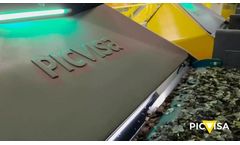
However, it is still necessary to strengthen these processes to reach the countries of northern Europe, leaders in recycling. OPTICAL SEPARATORS FOR GLASS RECYCLING The strengthening of these recycling rates inexorably involves the technological improvement of waste sorting plants. ...
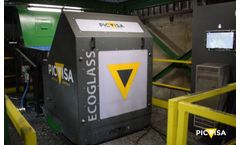
ECOGLASS FOR EFFICIENT GLASS SEPARATION Two units of the ECOGLASS EGF-1000 model, optical separation equipment for sorting glass and a wide range of materials were installed in this plant. With wide-spectrum Artificial Vision, the ECOGLASS units identify and separate materials according to their chemical composition, shapes and colours with ...

Biffa chose BHS as a partner for adding a specialized 8-tph Glass Clean-Up System and Container Clean-Up System to its existing Materials Resource Facility (MRF) in Aldridge, UK, greatly increasing the quality and recovery of glass, fibre and clean containers. The Glass Clean-Up system features two BHS Debris Roll Screens with patented TriDisc technology, two Nihot SDS units and two Nihot ...
Designed, manufactured and installed by BHS, the facility, known as the Perth MRF, is able to process 250,000-tonnes-per-year, enough capacity to sort all of the city’s residential recyclables. According to Cleanaway, the Perth MRF is the most advanced recycling facility in the Southern Hemisphere. ...