
Refine by
Granular Sludge Articles & Analysis
105 articles found
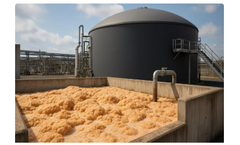
Typically, disposing of DAF sludge has been viewed as a problem, but treatment with anaerobic digestion makes it an asset.From Waste Stream to Energy SourceDAF sludge is rich in organic material, consolidating fats, oils, grease, and proteins into a sludge stream with high biodegradable content. ...
Engineers consider a range of factors — including the waste to be treated and the desired outcome — when designing an AD system Anaerobic digestion (AD) is a well-established technology for the treatment of organic waste streams. It harnesses the power of microorganisms in an oxygen-free environment to decompose organic matter, generating renewable biomethane as a byproduct and ...
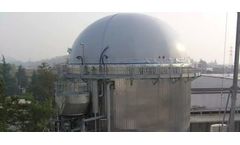
EFC reactors bring many advantages for treating high COD wastewater The external forced circulation (EFC) reactor is a type of anaerobic digester developed by Fluence that is particularly suited for the treatment of high soluble COD wastewater streams like those of: Paper and pulp manufacturing Livestock operations and slaughterhouses Meat and seafood processing and packaging Confectionary ...
EFC picks up where the UASB reactor leaves off, improving its treatment of wastewater by adding a specially designed solids separation and recirculation system to maintain an effective granular sludge biomass. The constant collection and recirculation of granular sludge maximizes the contact between the biomass and wastewater, ...
Screening Neutralization Sedimentation Equalization Coagulation & Flocculation Dissolved Air Flotation (DAF) --Secondary treament Secondary Treatment degrades soluble compounds aerobically where they may be pre-treated anaerobically according to the industry. Activated Sludge Tanks (AST) Membrane Bio Reactors (MBR) Rotating Biological Contactors (RBC) Expended ...
The Caribbean Sea region faces various water-related challenges, including scarcity, quality issues, climate change impacts, and the need for equitable and efficient management. Sustainable water management in the Caribbean is therefore crucial for ensuring the availability of clean water for the region’s people, ecosystems, and economic activities. Industrial, agricultural, or municipal ...
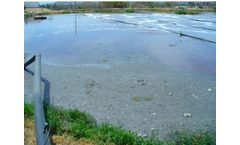
The product has proven to eliminate over 80% of the organic sludge in the normal waste activated sludge process. Sewper Rx is a granulated, dry product that could be injected into the sludge at different depths. ...
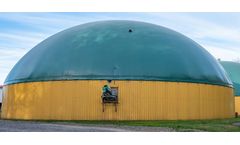
Granular sludge technology compounds already impressive benefits of anaerobic digestion Anaerobic digestion is a robust process that transforms organic waste into valuable biogas for energy, as well as nourishing biosolids for agriculture. Applied in wastewater treatment, it also has the advantages of: Purifying even challenging, high-organic-load wastewater ...
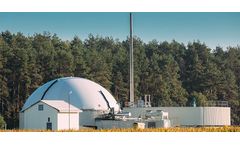
This includes agricultural digesters for livestock manure and crop residues, municipal digesters for sewage sludge and organic solid waste from households, and industrial digesters for specific organic waste streams generated by industries such as food processing or breweries. ...
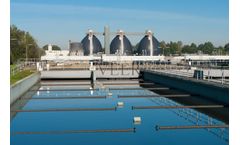
Due to the different water content of sludge, different incinerators should be used. For example, when treating completely dry powder sludge and granular sludge with a certain water content, different incinerators with different furnace convection parts and loading equipment should be used. ...

Wisconsin Institute for Sustainable Technology at UW Stevens Point conducted a study to evaluate impacts of Ana-Zyme G on fatty acids in dairy wastewater. Ana-Zyme G was added as a single dose at 1 ppm at the start of testing. The addition of 1 ppm Ana-Zyme G led to a 34% reduction in total fatty acids by the end of the test. Levels of short-chain fatty acids also decreased with the addition of ...
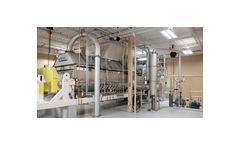
A northeast food processor turns its activated biological sludge waste from its manufacturing process into income by recycling the waste as an ingredient for organic fertilizer. ...
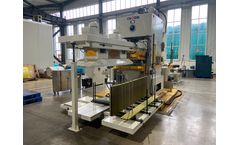
There are many kinds of sludge, mainly including industrial enterprises of sludge, such as electroplating sludge, printing and dyeing sludge, sludge and so on. ...
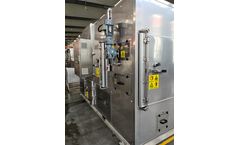
In a sludge dryer, the sludge is kept at a constant temperature in inert superheated waterlevel for reliable sanitation.(2) Automatic granulation during sludge treatment. The back-mixed dry sludge acts as the inner core of the granules, which automatically forms a granular state during the sludge ...

The first compartment of the digester contains an expanded granular sludge bed where the most organic pollution is converted into methane rich biogas. ...
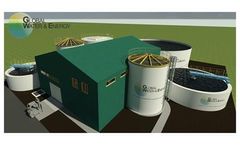
The multi-step treatment line includes several GWE starship technologies, including the robust and highly-efficient ANUBIX – B – Upflow Anaerobic Sludge Bed (UASB) System. This anaerobic reactor has been implemented at hundreds of industrial wastewater treatment plants around the world. Designed to maximize the removal of organic contamination from wastewater, the ...

A SUPERSEP™-DF downflow solids separator, which provides efficient counter-current sludge separation, combined with co-current sludge evacuation. It is ideal for processing fragile organic sludge flocs. SUPERSEP™-DF is designed to incorporate multiple cleaning possibilities during operation, including the backwash of individual rows ...

The successful development of aerobic granular sludge (AGS) for secondary wastewater treatment has been linked to a dedicated anaerobic feeding phase, which enables key microbes such as poly-phosphate-accumulating organisms (PAOs) and glycogen-accumulating organisms to gain a competitive advantage over floc-forming organisms. ...
This paper shows the effect of organic shock loads (OSLs) on the anaerobic digestion (AD) of synthetic swine wastewater using an expanded granular sludge bed (EGSB) reactor modified with zeolite. Two reactors (R1 and R2), each with an effective volume of 3.04 L, were operated for 180 days at a controlled temperature of 30 °C and hydraulic retention time of 12 ...

The plant’s anaerobic treatment uses granular sludge digestion. The wastewater is pretreated in a stainless-steel external forced circulation reactor to remove soluble compounds that contribute to the water’s high level of COD. The effluent moves from this anaerobic system to an active sludge biological aerobic system. At this stage, ...