
Heavy Metal Stabilization Articles & Analysis
26 articles found

The corresponding raw materials such as platinum, iridium, rhenium and other heavy metal complexes, carbazole, thiophene, furan and other compounds have been widely used and researched. ...

Identify the Metal Contaminants Determine the types and concentrations of metals present in the soil. ...
Lead Contamination in Soil Expertise For more than 30 years, TDJ has assisted in Lead Contamination in Soil, lead paint sandblasting, and metal casting (ferrous & nonferrous) industries in the stabilization of heavy metal contaminated wastes. ...
The Price Battery plant operated in the Borough of Hamburg, Berks County, Pa., from approximately 1940 to the mid-1990s. The site, about 1.2 square miles in size located in a mixed commercial/residential area in the former Price Battery facility. During operations, battery casings broke open and the lead plates are removed for smelting. The on-site battery plant lead smelter produced emissions ...
Product Chemistry Blastox 215 is a complex calcium silicate chemistry listed as US EPA Best Demonstrated Available Technologies (BDAT) for stabilizing heavy metal wastes, especially lead and cadmium. Custom chemistries are also available to stabilize chromium and other toxic metals. ...
Soil Remediation Case Studies: Metal Stabilization Product Blastox® 215 Product Chemistry Blastox® 215 is a complex calcium silicate chemistry listed as US EPA Best Demonstrated Available Technologies (BDAT) for stabilizing heavy metal wastes, especially lead and cadmium. Custom chemistries are also ...
The grid allows the application of the reagent at varies dosages, from grid to grid, and it is an effective way to help allocate premeasured amounts of the reagent. Blastox 215 is a versatile heavy metals stabilization reagent that is effective across a wide variety of waste types, metal concentrations and application methods. ...
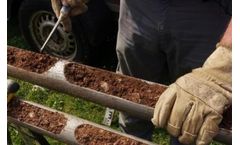
What is Contaminated Soil Sampling? Use of a proper contaminated soil sampling method is vital to obtain a representative sample of soil waste. A representative sample of soil waste is necessary to accurately characterize (hazardous or non-hazardous) your stabilized waste piles. If improperly conducted, valuable time and resources may be wasted by contractors, generators and consultants. The ...
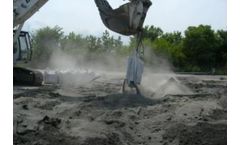
Contaminated soil is one that has heavy metals present within the project site. The EPA requires a Toxicity Characteristic Leaching Procedure (TCLP) test to determine if metal contaminated soil needs to be managed as hazardous or non-hazardous waste. Soils exhibiting hazardous characteristics need to be disposed of at a facility permitted for that material at a high cost. The alternative is to ...
With the occurrence of recent lead stabilization issues, TDJ Group uses a chemically engineered product (Blastox®) to stabilize lead and other heavy metals with a one step process. ...
How to Improve Contaminated Soil Remediation Performance Contaminated soil remediation involves encapsulation and chemical conversion during remediation projects rendering them non-leachable to allow disposal of a non-hazardous waste. The TDJ Group has been providing heavy metal fixation technologies for more than 3 decades to the soil remediation, metal casting, and lead paint abatement ...
What are Heavy Metals in Soil? The EPA requires a Toxicity Characteristic Leaching Procedure (TCLP) test to determine if the heavy metals in soil needs to be managed as hazardous or non-hazardous waste. ...
What are Solutions for Lead Based Paint? TDJ has successfully stabilize over 150,000,000 square feet of lead based paint. The lead paint abatement success is due to the One Step application of Blastox®. ...
With the occurrence of recent lead stabilization issues, TDJ Group uses a chemically engineered product (Blastox®) to stabilize lead and other heavy metals with a one step process. ...
When compared to hazardous waste disposal, it’s clear that Blastox 215 is very cost effective heavy metal fixation reagent. In addition to managing firing range remediation projects, it’s being used successfully on thousands of tons of contaminated soil. ...
What is Soil Remediation Fixation? Soil Remediation Fixation can be done by a chemical process that will prevent leaching of metals into the ground water during soil remediation projects. Reactions change the chemical form of the metal from an oxide, carbonate or hydroxide to a silicate, which is significantly less soluble than most other compounds. ...
Heavy Metal Fixation can be done by a chemical process that will prevent leaching of metals into the ground water during soil remediation projects. ...
What is a Soil Remediation Project? A developer near Detroit, MI had a soil remediation project that involved a redevelop property with an ideal location with ready access to freeways. High levels of lead contamination were identified over a large portion of the site, presumed to be associated with areas that lead-acid batteries were crushed inside cars and were left to drain. ...

Thermal hydrolysis (TH) has been used to improve anaerobic digestion performance as well as the stability of heavy metals in sludge. Because the toxicity of heavy metals is closely related to both the concentration and the chemical speciation, more exhaustive studies on speciation distribution are urgently ...
In this study are presented results about sludge stabilization occurring within beds in four RBSs, situated in Tuscany (Italy). ...