
Refine by
Hplc Articles & Analysis
344 articles found

Each product is supplied with full analytical characterization (HPLC, LC-MS, NMR) to ensure consistency across parallel assays and multi-target screening programs. ...

Alternatives and Modern Approaches Although the ninhydrin method is widely used, other techniques can provide greater accuracy or sensitivity: l High-Performance Liquid Chromatography (HPLC): Separates and quantifies free amino acids with excellent precision. ...
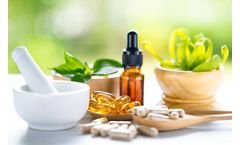
Polystyrene microplastics (PSMPs), small plastic fragments measuring less than 5 µm in diameter, are increasingly recognized as harmful air-borne pollutants. Studies demonstrate their ability to penetrate deep into the lungs, where they can induce oxidative stress, inflammation and airway remodeling. A recent study by Balkrishna et al. (2025) investigates these effects in a murine model and ...
Accurate quantification requires advanced techniques such as HPLC, LC-MS, or GC-MS. 4. Why do protocols vary between publications? ...

A 5°C temperature increase above the optimal 25°C during peptide polymer synthesis reduced purity from 95% to 80% (measured by HPLC). l Purification: Separating products from unreacted materials is difficult. ...
ByMatexcel

Chromatographic Techniques High-resolution separation methods such as High-Performance Liquid Chromatography (HPLC), Ultra-Performance Liquid Chromatography (UPLC), and Gas Chromatography (GC) are standard techniques for tryptamine analysis. ...
The pharmaceutical industry is under constant pressure to ensure product integrity, regulatory compliance, and efficiency in manufacturing. As production processes become more complex, the need for real-time, data-driven quality control has never been greater. Near-infrared (NIR) spectroscopy is essential for advanced monitoring of drug manufacturing, enabling rapid, non-destructive analysis ...
Pharmaceutical manufacturers face growing challenges in ensuring product quality, maintaining regulatory compliance, and safeguarding against counterfeit drugs. Near-infrared (NIR) spectroscopy is an important tool in this arena, offering rapid, non-destructive analysis for raw material identification, impurity detection, and counterfeit screening. By integrating NIR spectroscopy into quality ...

High-performance liquid chromatography(HPLC) and mass spectrometry (MS) are commonly employed techniques in this analysis. ...

Techniques such as mass spectrometry, analytical HPLC, and functional assays are employed to assess the structure, efficacy, and safety of the ADC. ...
Here are some common methods: High-Performance Liquid Chromatography (HPLC): HPLC is one of the most widely used methods for vitamin analysis. ...
Techniques for Plant Hormone Analysis Advanced analytical techniques are employed to measure and analyze plant hormones: Chromatographic Techniques: High-performance liquid chromatography (HPLC) and gas chromatography (GC) are widely used to separate and quantify hormones due to their specificity and sensitivity. HPLC, often coupled with mass spectrometry (MS), ...

Analytical Chemistry: Methods like HPLC (High-Performance Liquid Chromatography) and mass spectrometry can be used to analyze secreted products, confirming the functional characteristics of the cells. ...

In addition, gas chromatography (GC) and high-performance liquid chromatography (HPLC) are employed to analyze volatile metabolites and lipids with distinct physicochemical properties. ...
High-Performance Liquid Chromatography (HPLC): HPLC is another reliable method for separating and quantifying glucosinolates, especially when coupled with UV or fluorescence detection. ...
Common approaches include: High-Performance Liquid Chromatography (HPLC): This is a reliable and widely used method for separating and quantifying NAD and NADH in complex biological samples. ...
High-Performance Liquid Chromatography (HPLC)(1) PrincipleHPLC can separate, identify, and quantify various components in complex samples. ...
High-Performance Liquid Chromatography (HPLC) HPLC is a highly precise method for separating and quantifying individual pigments. ...
This case highlights the indispensable role of CRMs in high-stakes regulatory environments where precision and documentation are paramount.Case Study 2: RMs in Pharmaceutical Method DevelopmentOne pharmaceutical company is in the process of establishing a new High Performance Liquid Chromatography (HPLC) process for testing active pharmaceutical ingredients (APIs) in a drug ...
High-Performance Liquid Chromatography (HPLC)(1) HPLC can be used to quantitatively analyze various components in the medium, such as amino acids, sugars, vitamins, and other small molecules.(2) This technique provides high resolution and can separate and quantify individual components in complex mixtures.2. ...