
Refine by
Hydrogen Production Articles & Analysis
350 articles found

Ethylene Production Process Ethylene production primarily relies on the cracking process of petroleum fractions (such as naphtha, liquefied petroleum gas, and ethane). ...

Ethylene Production Process Ethylene production primarily relies on the cracking process of petroleum fractions (such as naphtha, liquefied petroleum gas, and ethane). ...

Pelagic zone: Open water where phytoplankton dominate primary production and where harmful algal blooms concentrate during stratification. ...

When properly captured and processed, the combustible gas can be refined into more valuable products, such as hydrogen or syngas, for use in other industrial processes. ...

Temperature Programmed Reduction (TPR) with quadrupole mass spectrometry (MS) addresses a long-standing challenge in catalyst characterisation: the inability to distinguish between hydrogen consumption mechanisms during reduction. Conventional temperature programmed reduction reveals when a material responds to hydrogen, but rarely explains how or why that ...
CYTOK is successfully using its power-to-gas technology in the Bernsteinsee holiday and leisure area in Lower Saxony to ensure a completely renewable energy supply. The integration of the plant has made it possible to completely replace the previous oil and gas heating systems. The result: up to 183 tonnes of CO2 are saved each ...
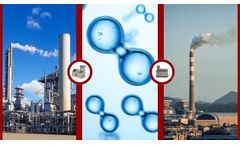
Catalyst deactivation studies are central to maintaining efficiency in industrial chemical processes, including petroleum refining, petrochemical production, syngas and hydrogen manufacture, environmental catalysis for emissions control, and large-scale chemical synthesis such as ammonia and methanol production. ...
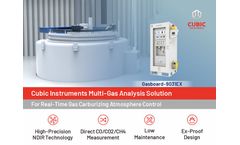
Key Benefits for Carburizing Operations: Highly accurate and responsive control of CO, CO2, and CH4 to support stable carbon potential Enhanced process consistency, surface quality, and repeatability Reduced enrichment gas waste and energy consumption caused by estimation errors Lower maintenance burden and 24/7 autonomous operation Reliable deployment in hazardous industrial environments ...

Hydrogen is rapidly becoming central to global sustainability strategies. As industries transition to greener operations, hydrogen offers a clean, versatile energy source with applications in transportation, manufacturing, and energy storage. However, harnessing hydrogen’s full potential depends on precise and reliable hydrogen measurement. Without it, safety, efficiency, and environmental ...

However, harnessing hydrogen’s potential requires more than just production capacity. ...

Sustainable Sourcing of Raw Materials a) Steel and Alloys Steel is the primary material used in RTG gantry crane fabrication, forming the structure, beams, and trolley systems. However, traditional steel production is energy-intensive and a major source of CO₂ emissions. To reduce environmental impact: Recycled Steel: Utilizing high-percentage recycled steel significantly reduces ...

The international applications of gas analysers have never been more important. Gas analysis plays a crucial role across multiple sectors, from energy and pharmaceuticals to research and manufacturing. At Cambridge Sensotec, our Rapidox gas analysers have been deployed globally to help organisations meet critical performance, safety, and compliance standards. With decades of experience and a ...

From conventional power plants to renewable energy systems and hydrogen production facilities, precise gas monitoring supports system integrity and performance optimisation. ...
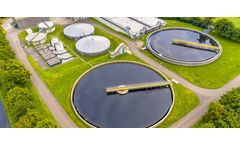
Water infrastructure, such as desalination plants and treatment facilities, is fundamental to ensuring access to this vital resource. However, these systems are not permanent. From their initial conception to eventual decommissioning or renewal, they undergo a complex life cycle that involves strategic decision-making and technological challenges. Understanding each phase of this cycle, with an ...

In recent years, a lot of research has been done into if Hydrogen (H2) could be a successor to fossil fuel and if it could be stored for generating electricity. With the new European green deal made by the European Commission for making Europe climate neutral in 2050, here will be more investment made in Hydrogen research to reach that ...
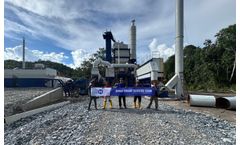
Challenges and Considerations Despite the numerous advantages, the feasibility of hydrogen energy in asphalt mixing plants is not without challenges. One of the primary hurdles is the current infrastructure for hydrogen production, storage, and distribution. ...
ByMacroad
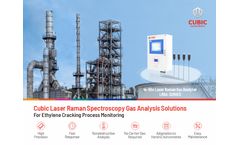
Therefore, advanced gas analysis technology has become a crucial tool for driving the modernization and intelligent transformation of the ethylene industry. Ethylene Production Process Ethylene production primarily relies on the cracking process of petroleum fractions (such as naphtha, liquefied petroleum gas, and ethane). ...
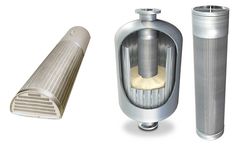
Designed to ensure uniform flow distribution and effective catalyst utilization, these components, such as scallops, center pipes, and custom-designed internals, are essential in industries like petrochemicals, hydrogenation, hydrocracking, and desulfurization. Radial flow reactors can handle high flow rates with minimal pressure drop. ...

Its ability to mix fully with water, ethanol, and chloroform underscores its utility as a solvent for both polar and non-polar substances, making it a cornerstone in many industrial, pharmaceutical, and consumer product applications. Production Methods Isopropanol is primarily produced through two industrial methods: the hydration of propene and the catalytic ...

Industrial decarbonization is a fundamental pillar in achieving global climate objectives, with water playing a key role in this transition. Its efficient and sustainable use can accelerate the shift towards a low-carbon industrial model, while inadequate management may pose significant obstacles. Water is essential in industrial decarbonization, presenting both substantial opportunities and ...