
Refine by
Irrigation Scheduling Articles & Analysis
85 articles found
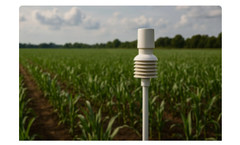
When combined with temperature, wind speed, and solar radiation, humidity data underpin ET0-based irrigation scheduling—the FAO Penman-Monteith method for estimating actual crop water needs. ...
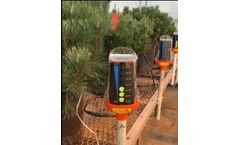
Student, at Oregon State University are studying plant stress responses to various irrigation schedules using SAGE, a soil water stress visual insight tool developed by Stevens Water Monitoring Systems. ...

The largest Refugee camp in Africa, located in Tanzania near the Burundi border and housing over 290,000 refugees from Burundi and Rwanda, we implemented an off-grid solar power system to enhance sustainability and efficiency. Our AgroTEK system automates the pumping of water from a local river into a storage tank, ensuring daily water quotas are met and maintaining optimal water ...

Moisture measurement plays a crucial role in various industries, from agriculture to construction. Accurate readings can significantly affect the quality of products and the efficiency of processes. In this blog post, we'll explore how to guarantee precision when using moisture measurement tools, including common pitfalls to ...

When it comes to agriculture, weather is an important aspect that determines crop health and yield. Unpredictable weather patterns pose a continuous challenge to farms, often leading to substantial crop losses and financial setbacks. However, with the innovation of advanced technology, leveraging weather data in agriculture has become a critical tool in crop management. By integrating weather ...
For centuries, farms have struggled with the unpredictable forces of nature, battling everything from adverse weather conditions to pest infestations and soil degradation. Traditional farm management methods often rely on past data and manual observations, making it difficult to adapt quickly to changing conditions. As global populations rise and the demand for food production intensifies, the ...
One of India’s leading crop protection companies has harnessed the power of remote sensing technology to enhance its interactions with farmers. By offering valuable insights into crop management, covering aspects such as nutrition, irrigation, and pest and disease control. The company has improved the efficacy of crop protection strategies and strengthened its relationships with the farming ...
The integration of agricultural data analytics into farming practices has become increasingly essential. This approach, often termed “smart farming” or “precision farming” uses farm-level data to enhance productivity, sustainability, and profitability. In India, where agriculture is a vital sector supporting the livelihood of millions, the strategic use of data can ...
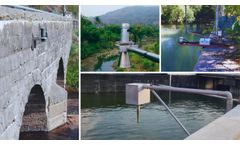
Water Level Applications Water level sensors find applications across various industries, including municipal water treatment plants, industrial processes, agricultural irrigation systems, aquaculture, and marine operations. These level measurement sensors facilitate efficient resource management, enhance safety, and ensure regulatory compliance. ...
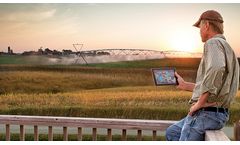
New smart control panels, however, are revolutionizing pivot irrigation. These devices reduce water consumption and lead to savings in time and labour. Zimmatic control panels have everything for the grower who is ready to take complete control of their irrigation and get the most out of their fields. These control panels include built-in features ...

Data-Driven Decision Making: Real-time data from soil sensors empower farmers to make timely and informed decisions about irrigation scheduling, fertilization, and pest management, leading to improved crop yields and profitability. Applications of Soil Sensor Innovation in Agriculture: Irrigation Management: Soil sensors play a crucial role in ...
ByJXCT
With this data, farmers can adjust irrigation schedules, reducing water waste and energy consumption. Enhanced Nutrient Management: Soil sensors provide accurate measurements of nutrient levels in the soil, enabling farmers to apply fertilizers more efficiently. ...
ByJXCT
Monitoring soil health is essential for farmers to make informed decisions about crop management practices, fertilizer application, and irrigation strategies. In recent years, advanced soil sensor systems have revolutionized the way we monitor and assess soil health parameters. ...
ByJXCT
Precision Agriculture: Weather stations support precision agriculture by providing farmers with site-specific information on weather conditions and soil moisture levels. This enables targeted irrigation, fertilization, and pest management practices, optimizing resource use and reducing environmental impact. ...
ByJXCT
Understanding Smart Irrigation: Smart irrigation refers to the application of advanced technologies, sensors, and data analytics to optimize irrigation practices. ...
ByJXCT

With an automatic irrigation controller, you can set up a watering schedule that works best for your lifestyle and yard, and let the controller handle the rest. ...
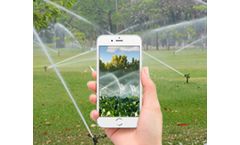
Abstract Irrigation is crucial for successful crop growth and yield, but traditional irrigation methods often result in water waste and inefficiency. ...
ByJXCT
Traditional irrigation methods often rely on guesswork and outdated schedules, leading to water waste, runoff, and inefficient crop yields. ...
This granular information empowers farmers to make informed decisions regarding irrigation, fertilization, and crop management, optimizing resource utilization and maximizing yields. Harnessing Soil Sensor Data for Efficient Irrigation Over-irrigation remains a major challenge in agriculture, leading to water waste, soil erosion, and ...
For instance, gardeners can plan their planting schedules based on weather forecasts, while hikers can determine the best time for their excursions. Optimizing Irrigation and Crop Management For agricultural applications, outdoor weather stations play a vital role in optimizing irrigation and crop management. By continuously monitoring soil ...