
Refine by
Nitrous Oxide Articles & Analysis
254 articles found
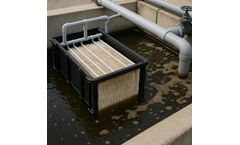
One of the stages of nitrification produces nitrous oxide, an environmentally hazardous gaseous form of nitrogen with 300 times the global warming potential of carbon dioxide. The fact that the nitrification process occurs in the biofilm reduces the release of this gas to the atmosphere and helps reduce overall greenhouse gas emissions, particularly ...

Additionally, long-term biochar application in farmland has been shown to reduce CH₄ emissions by 13.5% and nitrous oxide (N₂O) emissions by 21.4%, two potent greenhouse gases with far greater warming potential than CO₂.Beyond carbon sequestration, biochar plays a crucial role in restoring soil health, a critical foundation for sustainable agriculture and ...
Explore where water-technology investment is growing and how emerging funding priorities are shaping real-world trials and the next wave of scalable solutions. A roundup of emerging funding priorities in water innovation funding, with examples from technologies already being tested through the Trial Reservoirs Initiative. 2025 was a remarkably successful year for global water innovation ...
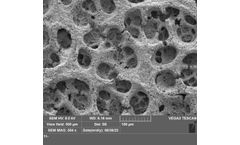
DEMS measurements were used to measure the formation of nitrogen, nitric oxide and nitrous oxide during nitrate reduction catalyzed by bimetallic silver-copper macroporous foams in acid media. ...

What Is Bio-remediation: Biological treatment and reliance on bacteria is not new or novel; it has played a central role in conventional waste treatment throughout the history of mankind. What is new however, is our growing understanding of the natural processes and how we can utilize bacteria for industrial, agricultural and residential applications in breaking down organic waste thereby ...

Isle facilitated webinars with UpLink and CWA to speak with water tech startups about Trial Reservoirs and accelerate pilot-driven innovation. UpLink, the World Economic Forum’s early-stage innovation initiative, is enabling and accelerating the purpose-driven entrepreneurs that are essential for a net-zero, nature-positive, and equitable future, by connecting them to the resources, ...
Additionally, by diverting agricultural waste from open burning or uncontrolled decomposition, the biochar machine reduces methane and nitrous oxide emissions. In agroforestry projects, this translates into climate-positive land management, with long-term carbon sinks embedded within soils. ...

Besides being a weak anesthetic gas, for instance in the context of dentistry, Nitrous Oxide (N2O) is also essential for the Semiconductor production process. It is the main Oxygen source for Silicon Oxide in the Chemical Vapor Deposition (CVD) process and is used in the high-tech thin film industries and LCD-display manufacturing. ...
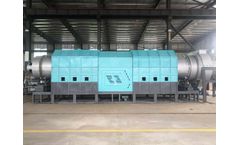
When applied to soil, biochar acts as a carbon sink, stabilizing organic matter and mitigating greenhouse gas emissions such as nitrous oxide and methane. In an LCA framework, the permanence of carbon sequestration and the enhancement of soil fertility are modeled over decades. ...
Reducing Greenhouse Gas Emissions from Soils Biochar can also reduce the emissions of other greenhouse gases from the soil, such as methane (CH₄) and nitrous oxide (N₂O). In the case of methane, which is a much more potent greenhouse gas than carbon dioxide, biochar can inhibit the activity of methanogenic bacteria in the soil. ...
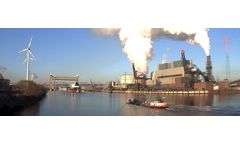
Cross-Sector Analyses In addition to climate-relevant CO2, we also measure methane (CH4) and nitrous oxide (N2O) and convert them into CO2 equivalents (Global Warming Potential – GWP). ...

From January 1, 2024, shipping companies must monitor and report not only CO2 but also methane (CH4) and nitrous oxide (N2O) emissions. By 30 April of each year (31 March as of 2025), companies must submit verified emissions reports for the entire previous year's reporting period. ...

As industries worldwide strive to reduce their environmental impact, carbon-neutral production has become a key goal for companies looking to balance productivity with sustainability. One of the critical tools in this journey toward carbon neutrality is the use of gas analysers. These advanced instruments play a vital role in monitoring and managing emissions, ensuring that industrial processes ...
Reduces greenhouse gas emissions, including methane (CH₄) and nitrous oxide (N₂O), from agricultural soils. These attributes make biochar a valuable commodity in carbon markets, where it can generate carbon credits for its role in mitigating climate change. ...
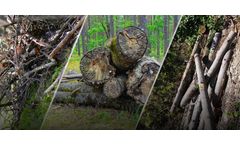
Reducing Greenhouse Gas Emissions Traditional methods of forest waste disposal, such as open burning, release significant quantities of greenhouse gases, including methane and nitrous oxide. Charcoal production via a controlled process eliminates these emissions, offering a cleaner alternative. ...

Dairy farmers are bagging silage to reduce spoilage by up to 30%, increase nutrient value and milk production, improve herd health, and potentially earn environmental carbon credits. For dairy farmers, “good feed promotes good production” is a guiding principle that has a direct cause-and-effect impact on milk tank volume. As a result, providing the highest quality feed is crucial ...
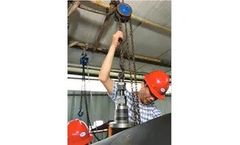
For consulting engineers tasked with planning, designing and supervising construction projects, today’s zero-emission high-voltage electrode boilers offer advantages over traditional fossil-fuel burning models. Used for centralized heating, power plants, swing-load balancing and fuel boiler replacements, they can match the capacity (up to 65 MW) and output (270,000 lb of steam per hour) of ...
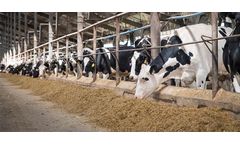
The Environmental Impact of Livestock Farming Livestock farming is a significant contributor to greenhouse gas emissions, particularly methane and nitrous oxide. These gases result from enteric fermentation in ruminants and the decomposition of manure. ...
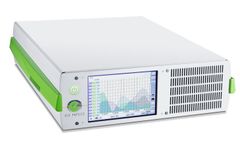
ECO PHYSICS AG | APPLICATION REPORT Besides being a weak anesthetic gas, for instance in the context of dentistry, Nitrous Oxide (N2O) is also essential for the Semiconductor production process. ...
Reducing Greenhouse Gas Emissions In addition to sequestering carbon, biochar helps reduce other harmful greenhouse gases, such as methane and nitrous oxide. These gases are often emitted from agricultural soils due to factors like fertilizer use and organic matter decomposition. ...