
Refine by
Nutrient Discharge Articles & Analysis
59 articles found
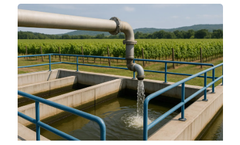
As sustainability goals tighten and water resources become more constrained, recovering nitrogen and phosphorus offers beverage and winery operators a practical path to reduce environmental impact while creating recoverable value.Resource recovery as an asset for your beverage operationWineries and other beverage producers generate wastewater streams rich in organic matter and ...
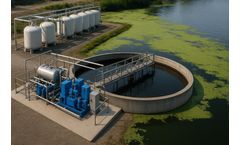
For food and beverage manufacturers, nutrient removal from wastewater is a critical compliance and cost-management issue in addition to environmental sustainability concerns.Nutrient Discharge Is Becoming a Bigger IssueNitrogen and phosphorus are commonly found in food and beverage wastewater. ...
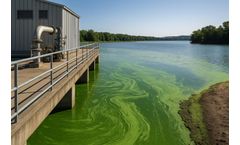
Early recognition hinges on monitoring with parameters described below.HAB Development Stages in ReservoirsStage 1 — Nutrient accumulation: Phosphorus and nitrogen accrue in water and sediments from agricultural runoff, urban runoff, wastewater discharges, and atmospheric deposition, setting the stage for growth.Stage 2 — Thermal stratification: Seasonal layering ...

How membrane aerated biofilm reactors support small communities, plant upgrades, and decentralized wastewater treatment Municipal wastewater utilities today are under increasing pressure to do more with less. Stricter nutrient discharge limits, expensive chemicals, aging infrastructure, landlocked areas, rising energy costs, and growing populations all demand ...

Water quality management is a significant challenge worldwide. There is oxygen depletion, algae proliferation, and decreased water quality. But modern science provides a strong solution. The nanobubble water treatment reservoir method provides a long-term water improvement solution with minimal energy consumption. Less than 200 nanometers is the diameter of nanobubbles. Their size keeps them ...
Pharmaceuticals: Antibiotics, hormones, and antidepressants are discharged by humans and enter the sewer system. Even in trace amounts, these can disrupt aquatic ecosystems and contribute to antibiotic-resistant superbugs. ...
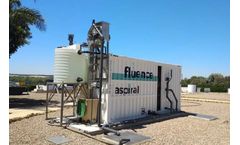
Affordable wastewater solutions help small towns with compliance challenges Iowa’s small towns face new wastewater nutrient limits that could overwhelm local budgets if addressed with traditional plant upgrades. Stricter nitrogen and phosphorus standards mean communities must modernize treatment systems or risk fines, stalled development, and tighter regulatory scrutiny. Fortunately, ...

Advanced technologies help in the removal and recovery of nitrogen and phosphorus Meat-processing facilities generate wastewater that contains high concentrations of nitrogen and phosphorus. These nutrients are by-products of organic matter, like proteins and amino acids. While essential for biological functions, when discharged in excess, they pose serious ...

Blue-green algae, or tiny organisms called cyanobacteria, are a growing concern in freshwater systems worldwide. Blue-green algae naturally occur in many aquatic environments and are a normal part of the ecosystem. Cyanotoxins produced by cyanobacteria cannot be visually detected in water or tissues. In the ecosystem blue-green algae Lake Tahoe, play a fundamental role, contributing to the ...
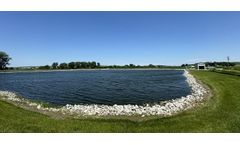
A smarter way to meet tightening nutrient discharge limits As nitrogen regulations tighten, lagoon-based wastewater systems face increasing pressure to perform. From Mexico’s new discharge standards to Iowa’s nutrient reduction strategy, utilities are being pressed to curb nitrogen pollution to meet increasingly ...
Algal blooms often result from nutrient imbalances and insufficient circulation. Upgrading aeration or implementing nutrient removal enhancements can help stabilize lagoon performance. ...
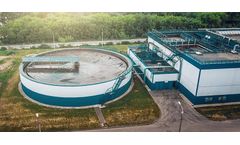
Environmental Protection Agency’s nutrient reduction strategies and the European Union’s Urban Waste Water Treatment Directive, which targets total nitrogen concentrations as low as 10 mg/L or below in sensitive areas. ...

Energy-efficient solutions can convert waste streams with a high organic load into a valuable asset Poultry processing generates large volumes of wastewater containing organic matter, fats, and nutrients that must be treated before discharge. The industry faces significant challenges, including high energy consumption, stringent environmental regulations, and ...
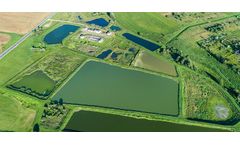
While lagoon wastewater treatment makes sense for rural areas, its effluent may have trouble meeting discharge standards The U.S. relies heavily on lagoon wastewater treatment, with more than 4,500 systems, but widespread non-compliance with nutrient discharge permits is a persistent issue. ...
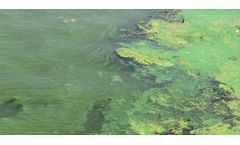
Summary Explore a holistic approach to combat surface water pollution, focusing on controlling harmful algal blooms (HABs). Discover how real-time data, technology, and nature-based solutions can transform water management, enhance collaboration among stakeholders, and ensure sustainable, long-term protection of aquatic ecosystems. Surface water pollution is a global issue, with over 50% of ...
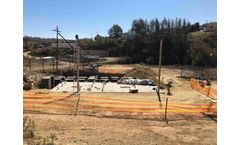
BIOROCK systems can treat wastewater to an acceptable level for environmental discharge, eliminating the requirement for soak-aways, and reducing the risk of groundwater pollution. ...
In particular, we believe FLC’s proprietary ‘MABR’ technology is a potential game changer for the treatment of nutrient pollution – one of the most widespread and costly forms of water contamination globally. Many states in the US are now in the process of mandating nutrient discharge limits for wastewater treatment ...
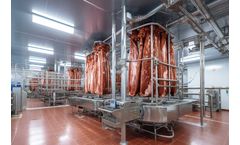
The federal agency presents multiple options to enhance limits on nutrient discharges into waterways Meat and poultry products (MPP) processing facilities significantly contribute to nitrogen and phosphorus pollution in fresh water. Nutrient loading can be extremely detrimental to aquatic ecosystems, contributing to eutrophication and algal ...
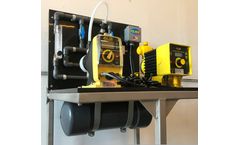
Treatment systems will often use lime to stabilize the particles. Disinfection and Nutrient Removal Before treated wastewater is discharged to the receiving stream, water treatment products add chemicals to inactivate any pathogens in the water. ...

Monitoring Pollution: Monitoring dissolved oxygen helps identify sources of pollution, such as nutrient runoff or wastewater discharges, which can deplete oxygen levels. ...