
Refine by
Nutrient Input Articles & Analysis
65 articles found

Long-term watershed management programs reduce nutrient inputs through buffer zones, best management practices for agriculture, and land-use controls near reservoir catchments. ...
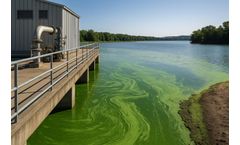
Real-time buoy-based systems enable remote data access to support proactive management. For nutrient-focused monitoring, continuous phosphate monitoring can illuminate conditions favorable to bloom formation before population surges.Prevention and ManagementThree fundamental approaches exist: prevent blooms at source, reduce long-term nutrient ...

It acts as a density barrier. Nutrients accumulate here as sinking organic matter slows. Hypolimnion: Cold bottom layer, isolated from surface oxygen inputs. ...
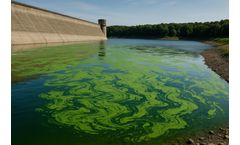
In freshwater reservoirs, cyanobacteria thrive as surface temperatures rise, stratification intensifies, and nutrient-rich runoff enters waterways after intense rainfall events. Legacy nutrient stocks in agricultural watersheds contribute to bloom conditions even when external inputs decline, as warming reduces oxygen at the sediment surface and ...

Introduction A bloom doesn’t always arrive with a neat, predictable timeline. One week the water looks normal, the next you get green streaks along the downwind shore, then the surface turns into a patchwork. If that shift continues on to become large scale algal blooms, it’s no longer just a cosmetic issue, it’s an operational issue that requires careful management. For ...

Introduction When a lake or reservoir turns bright green, the issue is rarely “just algae.” Blooms can signal a shift in water quality that affects aquatic life, recreation, and the reliability of a community’s water supply. This guide explains the basics of freshwater blooms and the practical steps used to stop water contamination before impacts reach drinking ...

Introduction When people talk about water quality, they often focus on clarity or colour, but lake nutrients quietly shape almost everything that happens below the surface. A modest increase in nutrient loading can be the difference between a clear, oxygen-rich reservoir and one that drifts into chronic eutrophication with recurring algal blooms. For drinking water managers, understanding lake ...
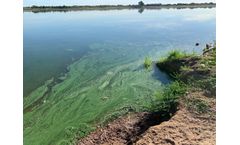
Excessive algae growth can transform a beautiful lake into an unsightly, potentially dangerous water body that threatens aquatic life and creates other problems such as fish kills and swimmers itch. This makes swimming, fishing, and recreational activities unpleasant or impossible. Similarly, water temperature is among one of the major driving factors for algae growth. Whether you’re ...

Algae blooms are growing worse around the world. This algae crisis affects drinking water, fisheries, and tourism. Moreover, climate change and nutrient runoff fuel these blooms. Cities and farmers face new risks to public health and the economy. Puroxi Pure Water Global Inc offers solutions aimed at this growing problem. Their work focuses on smart water treatment ultrasonic systems and natural ...

The output not only retains essential nutrients but also provides a microstructured habitat for soil microorganisms, creating long-term fertility benefits. ...

Blue-green algae, or tiny organisms called cyanobacteria, are a growing concern in freshwater systems worldwide. Blue-green algae naturally occur in many aquatic environments and are a normal part of the ecosystem. Cyanotoxins produced by cyanobacteria cannot be visually detected in water or tissues. In the ecosystem blue-green algae Lake Tahoe, play a fundamental role, contributing to the ...
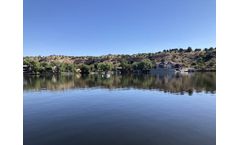
Chemical-free approach controls cyanobacteria, improves water clarity, and supports fisheries in phosphorus-rich lake. Background Lake Tanglewood is a 255-acre reservoir located in the Texas Panhandle, surrounded by a private residential community of about 500 people. This recreational lake constantly receives highly treated wastewater from the city of Amarillo, located in the Texas Panhandle ...
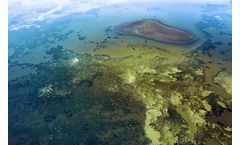
Summary Algae are a natural and important part of any lake ecosystem; Stagnant water, high temperatures, and excessive nutrients stimulate blue-green algae growth; Environmental changes, such as shifts in temperature or nutrient levels, can influence the likelihood of an algal bloom; Controlling algae blooms has become a pressing global challenge; Current treatment options include ultrasound, ...

As photosynthetic primary producers, they support food chains, rising and falling within water columns in a diurnal migration pattern. However, with anthropogenic inputs of nutrients to our water bodies, algae at many thousands of sites globally, are growing excessively and causing harmful algal blooms. ...

Brad McDougald’s 2,500-acre farm in Drumheller, Alta., experienced a challenging season with a dry spell leading to reduced yields. Yet, through strategic soil health management and the adoption of high-tech solutions from Decisive Farming by TELUS Agriculture, McDougald’s farm outperformed expectations, cementing his commitment to innovative farming practices for sustainable future ...

Spring brings with it a burst of life and rejuvenation, yet it also ushers the troublesome phenomenon of algal blooms in many aquatic ecosystems. These blooms, fuelled by a combination of environmental factors and human activities, can have profound ecological, socio-economic, and public health implications. Algal blooms battle against the established habitats within water in an attempt to ...

This is a heterogenous mixture of materials. There are a variety of nutrients that can act as pollutants and create environmental perturbations that favor shifts in microbiomes and their respective metabolomes in an unfavorable manner. ...

This personalized management solution can help farmers more precisely control the water, nutrients, pesticides and other inputs in the field, improving the production efficiency and sustainability of the field.5. ...
ByJXCT

Low soil EC values indicate low salt and nutrient levels, while high values indicate high salt and nutrient concentrations. ...

The future of our planet and its inhabitants rests on the health of our water bodies. As climate change and human activity threaten the state of our lakes, rivers, streams, and oceans, temperature profiling provides us with a powerful tool to gain valuable insights and reduce the risks associated with these life-sustaining resources. In this blog, we’ll discuss a few uses of temperature ...