
Refine by
Nutrient Leaching Articles & Analysis
75 articles found

Conventional disposal methods, including open burning and uncontrolled decomposition, often result in greenhouse gas emissions, nutrient loss, and environmental degradation. As industries and governments pursue sustainable resource utilization strategies, biochar production equipment has emerged as a practical solution for converting biomass waste into valuable carbon-rich ...
Industrialization and unsustainable farming practices have led to widespread soil degradation, including nutrient depletion, acidification, and reduced water retention. Biochar’s porous structure acts like a “molecular sponge,” increasing soil aeration, retaining moisture, and preventing nutrient leaching. It also provides a habitat for ...

Feeding your plants is a fundamental aspect of nurturing a thriving garden, whether you’re aiming for a bountiful harvest or flourishing blooms. However, the choice of fertilizer significantly impacts the health of your plants and the environment. There are two primary types of fertilizers – organic and synthetic. In this article, we’ll delve into the pros and cons of each, ...
Agricultural practices in developing countries often face hurdles such as: Soil Degradation: Continuous farming and overuse of chemical fertilizers deplete soil nutrients. Low Crop Productivity: Poor soil quality and limited access to advanced technologies result in low yields. ...
Biochar has a porous structure and large surface area, which enhances soil's ability to retain water and nutrients. This is especially beneficial in arid regions where soil moisture retention is critical for crop survival. Moreover, biochar helps prevent nutrient leaching by holding onto essential nutrients like nitrogen and ...
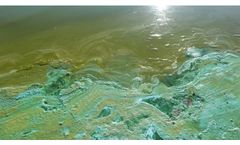
In an era where agriculture is essential for sustaining the global population, it’s crucial to examine the unseen threats that farming practices pose to aquatic ecosystems. While modern farming techniques have significantly boosted food production, they have inadvertently introduced risks that could undermine the very foundations of our aquatic environments. Farming, whether involving ...
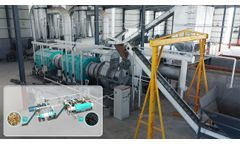
This is particularly beneficial in regions with variable rainfall or during dry periods, reducing the need for frequent irrigation. Nutrient Retention: Biochar can adsorb and retain essential nutrients such as nitrogen, phosphorus, and potassium. This nutrient retention minimizes leaching and ensures that plants have access to ...
Its porous structure creates a habitat for beneficial soil microorganisms, contributing to soil health and fertility. Nutrient Retention: Biochar has a high cation exchange capacity (CEC), enabling it to retain nutrients such as nitrogen, phosphorus, and potassium in the soil. This enhances nutrient availability to plants, reduces ...
The Role of Biochar in Poultry Farming Improved Manure Management Biochar serves as a valuable tool in managing poultry manure, a byproduct notorious for its high nutrient content and environmental impact. By incorporating biochar into litter management systems, poultry farmers can effectively reduce nutrient leaching, minimize odors, and ...

With this data, farmers can adjust irrigation schedules, reducing water waste and energy consumption. Enhanced Nutrient Management: Soil sensors provide accurate measurements of nutrient levels in the soil, enabling farmers to apply fertilizers more efficiently. ...
ByJXCT
Improved Crop Health and Yields: By providing crops with the right amount of water at the right time, smart irrigation promotes optimal plant growth, development, and nutrient uptake. This results in improved crop health, higher yields, and better product quality. ...
ByJXCT

Demystifying Soil Sensors: Unveiling Their Profound Impact Soil sensors are intelligent devices that continuously monitor and measure various soil parameters, providing real-time data on soil moisture, temperature, nutrient content, pH levels, and more. This granular information empowers farmers to make informed decisions regarding irrigation, fertilization, and crop management, ...
Finally, NPK sensors offer a more comprehensive analysis of soil nutrients, as they can detect both available and fixed nutrients in the soil. ...
ByJXCT
Traditionally, irrigation scheduling has relied on estimates and fixed schedules, often leading to overwatering or underwatering, resulting in wasted water, nutrient leaching, and reduced crop yields. The advent of smart soil sensor systems has revolutionized irrigation practices by providing real-time, data-driven insights into soil moisture levels. ...

This improved soil structure promotes better root development and nutrient availability for plants, fostering overall soil health. Enhancing Nutrient Retention: Biochar's porous nature plays a crucial role in retaining essential nutrients in the soil. It acts as a reservoir, preventing nutrient leaching and ...
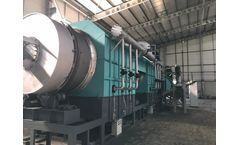
In this sense, biochar acts as a formidable guardian against soil contamination.Furthermore, biochar's introduction to soil significantly enhances its nutrient-retention capabilities. It serves as a sanctuary for essential nutrients, preventing them from being washed away by rainfall or leached by irrigation. This quality is particularly ...
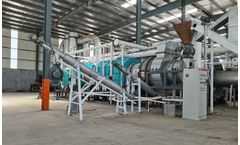
Furthermore, biochar's porous structure provides an ideal habitat for beneficial microorganisms. It improves nutrient retention, reducing the leaching of essential elements like nitrogen and phosphorus. This translates into more efficient nutrient use by crops, leading to increased agricultural productivity. ...
Carbon Sequestration by Biochar Biochar's Impact on Soil Structure and Nutrient Retention Biochar amends soil by improving its structure, enhancing water retention, and increasing nutrient availability. Its porous nature acts as a reservoir for water and essential nutrients, reducing nutrient leaching and ...
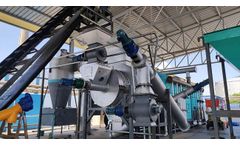
Soil Health Improvement Biochar, when incorporated into soil, enhances its structure, nutrient retention, and water-holding capacity. It also promotes microbial activity, contributing to improved soil health and crop productivity. Water Quality Enhancement The use of biochar in agriculture reduces nutrient runoff and leaching, preventing water ...
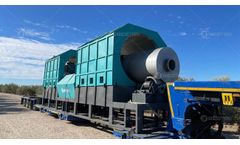
Soil Enrichment and Carbon Sequestration Nutrient-Rich Biochar Nutrient Retention: One of the remarkable attributes of biochar produced by these machines is its capacity to retain essential nutrients. In the soil, biochar acts as a reservoir, preventing nutrient leaching and ensuring a steady supply of ...