
Refine by
Nutrient Leaching Articles & Analysis
25 news found
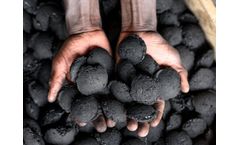
By improving water retention and nutrient availability, biochar promotes healthier plant growth, especially in areas with depleted or degraded soils. ...

Biochar plays a significant role in this aspect by: Odor Reduction: Incorporating biochar into manure significantly reduces odors, creating a more pleasant environment for both livestock and farm workers. Nutrient Retention: Biochar's porous structure allows it to retain valuable nutrients in manure, preventing nutrient leaching ...

Gradual Nutrient Release: The gradual nutrient release facilitated by biochar not only sustains plant growth but also mitigates nutrient leaching. ...
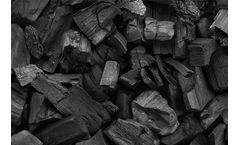
Soil Improvement and Agricultural Applications The incorporation of biochar into soils enhances their fertility and nutrient retention capacity. It improves water holding capacity, promotes microbial activity, and reduces nutrient leaching, leading to increased crop yields and sustainable agricultural practices. ...
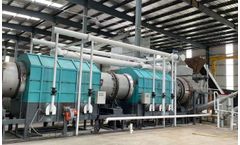
Biochar also promotes microbial activity and nutrient cycling, creating a favorable environment for beneficial soil organisms and enhancing nutrient availability to plants. ...

The activity of interacting soil organisms, such as fungi and bacteria promotes fertile soil that as a habitat is characterised by sufficient water, space, air, and nutrients. The origin of healthy soil It takes several centuries for the transformation of bare rock into fertile soil through the colonisation of bare rock by lichens and the subsequent development of grassland and ...

The other recommends a technique perfected at least 700 years ago in West Africa that converts nutrient-poor tropical soil to fertile and nourishing black earth. Even with good soil, farmers need crop varieties adapted to local rainfall and temperatures. ...

At the same time, it reduces loss of nutrients due to volatilization and leaching while minimizing plant injury. Moreover, because of the precise release of nutrients, there is less labor and logistics expense in nutrient application. By delivering the right amount of nutrients to match the pace of plant ...

This affects the growth and output of crops, and in poor weather, nutrients may be leached from the soil. Land clearing is also indirectly affected by fertilisation regulations, and by land area requirements for cattle production and manure spreading. ...
Nutrient leaching, the movement of plant nutrients from soil to water, can have negative effects on aquatic ecosystems due to eutrophication, which reduces the oxygen available in water, causing species and habitat loss. ...
However, its high-volume production and the generation of environmental problems (eutrophication and pollution of groundwater due to its high concentration of nutrients, production of methane emissions and odors) make necessary to search for other waste management routes. ...
Increased soil biodiversity can reduce nitrogen pollution, improve nutrient uptake by plants and even increase crop yields, new research suggests. ...

The study focused on determining how dissolved nutrients move through a substrate while water is being applied during irrigation--a process the authors say is important to predicting nutrient leaching. ...
According to the study authors, cation exchange capacity--an important factor that affects nutrient leaching from pine bark substrates, pH buffering, and drift over the course of crop production---had not been adequately studied for pine bark. ...
“Additionally, a recent study found that increase in future rainfall in the Sahel, a region where the soil generally receives little nutrient input and is over-exploited, causes nutrient leaching, and hence induces nitrogen stress. ...

High tunnels also allow farmers to soil from erosions or nutrients from leaching in heavy rain, White said. "You're going to make sure that those plants get exactly that they need, nutrient-wise," White said. ...

SorbtiveMedia is a reactive engineered granular filter media that retains large pollutant loads and does not leach pollutants. "SorbtiveMedia can be used in flexible, green infrastructure designs and in a wide variety of stormwater treatment practices; including Environmental Site Design and Low Impact Development applications such as bioretention cells and infiltration ...

"Using banana compost we get greater efficiency of nutrients in soil compared with other fertilisers, good aeration associated with the relatively low application of irrigation water, and decreased nutrient losses by leaching," said Abou-Baker. ...

While manure does provide a rich nutrient source for crops, it also can contribute to nutrient leaching and runoff. ...
While injecting animal manure slurry into the soil has been proven to be an effective way of reducing greenhouse gas emissions, there has been no research on the possibility of nutrients leaching from the soil and reaching waterways. A collaborative study funded by the Danish Ministry of Food, Agriculture, and Fisheries was carried out between University of ...