
Refine by
Nutrient Nitrogen Articles & Analysis
246 articles found
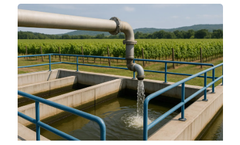
Biological nutrient removal systems, membrane bioreactors (MBR), and anaerobic digestion can be combined to stabilize wastewater, reduce nitrogen and phosphorus loading, and generate usable by-products. ...
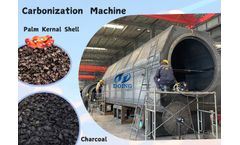
POME sludge biochar is rich in nutrients—including nitrogen, phosphorus, and potassium—and can be reintroduced into agricultural systems as fertilizer or soil amendment. 5. ...
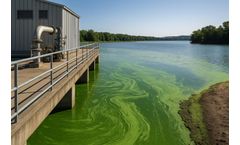
Early recognition hinges on monitoring with parameters described below.HAB Development Stages in ReservoirsStage 1 — Nutrient accumulation: Phosphorus and nitrogen accrue in water and sediments from agricultural runoff, urban runoff, wastewater discharges, and atmospheric deposition, setting the stage for growth.Stage 2 — Thermal stratification: Seasonal layering ...

In Europe, emissions increase when waste is landfilled or transported long distances for treatment due to methane releases and haulage-related fuel use.In addition to emissions, wasted food represents a substantial loss of nutrients. Nitrogen, phosphorus, and organic carbon—critical for soil health—are removed from the agricultural system and frequently treated ...

Beyond emissions, food waste represents a significant loss of nutrients—nitrogen, phosphorus, and organic carbon—that are essential for soil health. ...
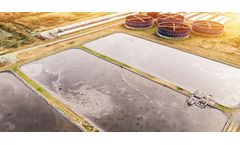
When aging lagoons meet modern regulations, choices must be made Wastewater lagoons have been around for decades. They offer a reliable and affordable solution for treating wastewater, especially for small rural communities. While this approach to wastewater treatment has been effective for years, lagoon systems are now struggling to comply with tighter regulatory standards and higher treatment ...

Introduction A bloom doesn’t always arrive with a neat, predictable timeline. One week the water looks normal, the next you get green streaks along the downwind shore, then the surface turns into a patchwork. If that shift continues on to become large scale algal blooms, it’s no longer just a cosmetic issue, it’s an operational issue that requires careful management. For ...

l Developmental stage: Younger tissues or leaves may respond differently than mature ones. l Nutrient availability: Nitrogen and phosphate status can affect amino acid metabolism. ...

Advanced technologies help in the removal and recovery of nitrogen and phosphorus Meat-processing facilities generate wastewater that contains high concentrations of nitrogen and phosphorus. These nutrients are by-products of organic matter, like proteins and amino acids. ...
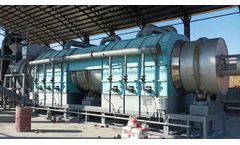
Its porous microstructure and high surface area allow it to adsorb nutrients and improve cation exchange capacity. When integrated into soil matrices, biochar reduces leaching of nitrogen and phosphorus, promoting nutrient efficiency while mitigating environmental runoff. ...
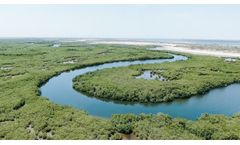
As aquatic ecosystems face mounting pressure from nutrient pollution and climate change, harmful algal blooms (HABs) continue to threaten biodiversity. Similarly, public health, and water security are also in danger. In a recent LG Sonic webinar, experts explored how water quality monitoring technologies can strengthen nature-based solutions to reduce algal blooms in different ...
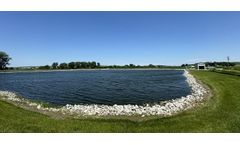
A smarter way to meet tightening nutrient discharge limits As nitrogen regulations tighten, lagoon-based wastewater systems face increasing pressure to perform. From Mexico’s new discharge standards to Iowa’s nutrient reduction strategy, utilities are being pressed to curb nitrogen pollution to meet increasingly ...

If you don't know what your soil holds, it's like farming with your eyes closed..Soil testing tells you:Which nutrients are missing (like nitrogen, phosphorus, or potassium). If the soil is too acidic or too alkaline. ...

Keeping a pond environment healthy and clean can be demanding, particularly when algae blooms turn out to be too much. You may have a garden pond for aesthetics, a koi pond, or a commercial water body, but pond algae control is essential to have healthy water as well as to make it look beautiful. Of all the pond algae control methods, algae control ultrasonic is fast turning out to be the most ...

Straw residues, if left on the field, can serve as a natural mulch, protecting the soil, improving its structure, and enriching it with essential nutrients as it decomposes. However, when straw is burned, the beneficial organic matter is destroyed, leaving the soil vulnerable to erosion and depletion. The high temperatures involved in straw burning can also affect the ...

The growth of blue-green algae is a sign that the water quality is declining: there are more nutrients such as nitrogen and phosphorus in the water on which these bacteria thrive. ...
Biochar has a porous structure, which increases its surface area, allowing it to retain essential nutrients such as nitrogen, phosphorus, and potassium. When added to the soil, it acts as a reservoir for these nutrients, making them more available to plant roots. ...

It is important to remove these pathogens from biosolids that could otherwise be transmitted to the environment using biosolids in agricultural fertilization. Biosolids contain essential nutrients like nitrogen, phosphorus and carbon, thus, they can enhance soil richness and health. ...
Biochar has a porous structure and large surface area, which enhances soil's ability to retain water and nutrients. This is especially beneficial in arid regions where soil moisture retention is critical for crop survival. Moreover, biochar helps prevent nutrient leaching by holding onto essential nutrients like nitrogen and ...
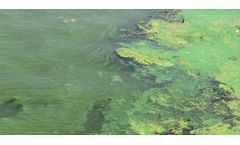
These blooms, driven by excess nutrients—particularly nitrogen and phosphorus—can have severe ecological, economic, and health impacts. ...