
Refine by
Nutrient Removal Articles & Analysis
404 articles found
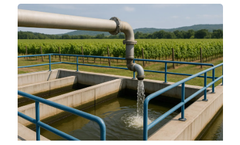
Beverage wastewater often presents challenges such as:High-strength wastewater with elevated biochemical oxygen demand from sugars and organicsFluctuating flows tied to production cyclesRich nutrient content including nitrogen and phosphorusNutrient RecoveryAdvanced treatment technologies now enable simultaneous nutrient removal and recovery. ...
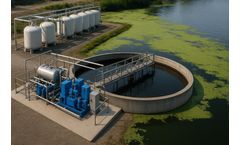
For food and beverage manufacturers, nutrient removal from wastewater is a critical compliance and cost-management issue in addition to environmental sustainability concerns.Nutrient Discharge Is Becoming a Bigger IssueNitrogen and phosphorus are commonly found in food and beverage wastewater. ...
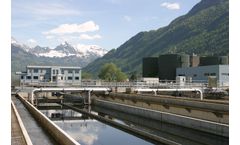
Key performance metrics include hydraulic capacity expressed in MGD or cubic meters per day, organic and nutrient removal rates such as percent BOD and TSS removal, effluent concentrations measured in mg/L, and overall energy consumption. ...

Project Information Project Type: Industrial wastewater treatment Completion Date:January 2023 Treatment Objectives: Design flow: 1 MGD Treatment requirements: BOD and Nutrient Removal ...
EDI aeration helps 10 MGD municipal plant win multiple awards for performance while cutting energy usage in half. Project Information Project Type: Municipal wastewater treatment Completion Date: 2008 Treatment Objectives: Design flow: 10 MGD Effluent Objectives: Meet Regulation 100% of the Time ...
Project Information Project Type: Municipal Wastewater Treatment Plant Completion Date: January 2023 Treatment Objectives: Design flow: 12 MGD Treatment requirements: BOD and Nutrient Removal ...
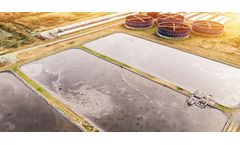
When aging lagoons meet modern regulations, choices must be made Wastewater lagoons have been around for decades. They offer a reliable and affordable solution for treating wastewater, especially for small rural communities. While this approach to wastewater treatment has been effective for years, lagoon systems are now struggling to comply with tighter regulatory standards and higher treatment ...

Shifting demands are reshaping how utilities plan wastewater treatment As demand for water service grows and existing wastewater treatment systems age, municipal wastewater planning is in a period of transition. Tighter regulatory timelines, uneven growth, and staffing constraints are adding pressure to traditional expansion strategies. At the same time, advances in treatment technologies and ...

From food safety to power-plant performance, these were the water challenges, technologies, and solutions driving the most attention in 2025 In a year defined by tightening regulations, rising water stress, and growing pressure on industries to do more with less, certain topics emerged as priorities for operators and industries navigating these pressures. The following five articles drew the ...

Laguna Technopark, a light industrial park near Laguna lake, 18.5 miles south of Metro Manila, upgraded to the Organica Water solution in November 2017. The 6,500 m3/d facility is the first Organica-powered for the Philippines, a country with over 100 million people but less than 30% of wastewater is treated. The newly integrated WWTP, located directly between an industrial area and a ...

Introduction The City of Monticello, Indiana operates an extended aeration activated sludge treatment system to handle 1.6 MGD of flow. Up until 2019, the city had relied upon chlorination to control foaming caused by FOG filaments, specifically Microthrix parvicella. From 2019 onwards, the facility routinely battled foaming year-round. Several mitigation attempts were made, with limited ...
Modular systems and smart financing help municipalities meet regulations affordably Small towns across the United States must meet stricter wastewater discharge limits for nitrogen and phosphorus. State and federal regulators are tightening standards to protect rivers, lakes, and coastal ecosystems, but traditional plant upgrades to achieve those standards can cost millions. Operations and ...
Quantitative PCR (qPCR) is also sometimes called real-time PCR. This is PCR, which is a technique used to amplify a specific DNA sequence. However, it differs from conventional PCR by also being able to simultaneously quantify the DNA sequence amplified. This is often helpful in microbiology to measure DNA (or cDNA from RNA) from specific organisms in real time during each cycle of ...
What They Mean for Lagoon-Based Wastewater Treatment Across North America, regulatory agencies are tightening the screws on phosphorus discharge limits. Once considered a moderate concern, phosphorus is now a central compliance focus due to its role in promoting eutrophication and harmful algal blooms. For wastewater lagoon operators—particularly in rural and small-town systems—this ...
First, grit and large solids are removed. Then, biological processes use tiny living organisms (bacteria and other microbes) to eat the waste in the water. ...
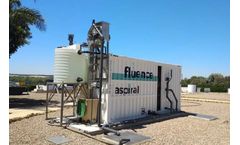
Affordable wastewater solutions help small towns with compliance challenges Iowa’s small towns face new wastewater nutrient limits that could overwhelm local budgets if addressed with traditional plant upgrades. Stricter nitrogen and phosphorus standards mean communities must modernize treatment systems or risk fines, stalled development, and tighter regulatory scrutiny. Fortunately, ...
How Qwik-Zyme L and Foam Buster Target the Root Cause of FOG Filament Overgrowth Fats, oils, and greases (FOG) are found in all types of wastewater and sewage treatment facilities. FOG appears in the form of fatty acids, animal fats, milk, fish oils, and triglycerides. Most biological wastewater treatment systems are not readily equipped to manage and successfully treat FOG in influent streams ...

How Algae Produce Oxygen Algae, like land plants, contain chloroplasts with chlorophyll pigments that absorb sunlight. Chloroplasts are found within plant cells and algal cells, and are responsible for photosynthesis. Algae, like green plants, use chlorophyll to capture sunlight and produce oxygen. During daylight hours, these microorganisms transform carbon dioxide and water into glucose for ...
Decentralized, containerized solutions are poised to help chip fabrication facilities and AI campuses keep up with the pace of innovation The rise of generative AI, machine learning, and high-performance computing is not just revolutionizing how we work and interact with technology. This new information age is driving rapid expansion of chip fabrication plants and hyperscale data centers around ...

Advanced technologies help in the removal and recovery of nitrogen and phosphorus Meat-processing facilities generate wastewater that contains high concentrations of nitrogen and phosphorus. These nutrients are by-products of organic matter, like proteins and amino acids. ...