
Refine by
Nutrient Runoff Articles & Analysis
126 articles found
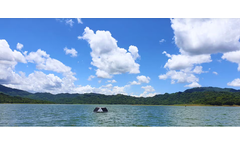
The main categories are: 1) Watershed and catchment management Nutrient loading from agricultural runoff, urban stormwater, and failing septic systems drives eutrophication and cyanobacterial growth. Long-term watershed management programs reduce nutrient inputs through buffer zones, best management practices for agriculture, and land-use ...
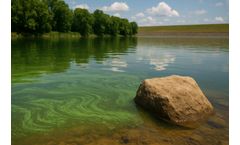
The main drivers are:Warm water temperatures in summer and early autumn accelerating cyanobacterial growth and compound productionThermal stratification concentrating algae near the surfaceSeasonal turnover in autumn releasing compounds from deeper waterNutrient loading from agricultural runoff and urban runoff feeding algal growthThe bloom leads to geosmin and ...
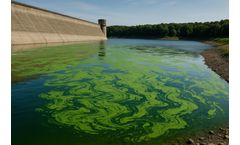
In freshwater reservoirs, cyanobacteria thrive as surface temperatures rise, stratification intensifies, and nutrient-rich runoff enters waterways after intense rainfall events. Legacy nutrient stocks in agricultural watersheds contribute to bloom conditions even when external inputs decline, as warming reduces oxygen at the sediment surface and ...

Introduction A bloom doesn’t always arrive with a neat, predictable timeline. One week the water looks normal, the next you get green streaks along the downwind shore, then the surface turns into a patchwork. If that shift continues on to become large scale algal blooms, it’s no longer just a cosmetic issue, it’s an operational issue that requires careful management. For ...

This algae crisis affects drinking water, fisheries, and tourism. Moreover, climate change and nutrient runoff fuel these blooms. Cities and farmers face new risks to public health and the economy. ...

In farming, it acts as a premium soil amendment: mixing 5-8% sawdust charcoal into soil improves water retention by 25-30% in arid regions, adsorbs excess nutrients to prevent runoff, and fosters beneficial microbial activity. ...
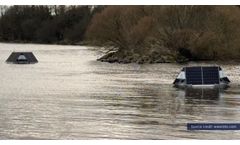
Blue-green algae, also known as cyanobacteria, have become an increasing concern for Lough Neagh. UK’s largest freshwater lake, covering nearly 400 square kilometers and supplying 40% of Northern Ireland’s drinking water. This vast ecosystem is vital for communities, fisheries, recreation, and biodiversity. Yet, over the past several years, harmful algal blooms have repeatedly covered ...
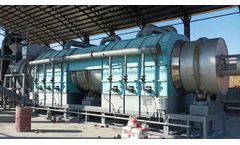
Its porous microstructure and high surface area allow it to adsorb nutrients and improve cation exchange capacity. When integrated into soil matrices, biochar reduces leaching of nitrogen and phosphorus, promoting nutrient efficiency while mitigating environmental runoff. ...
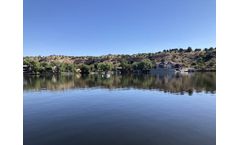
Chemical-free approach controls cyanobacteria, improves water clarity, and supports fisheries in phosphorus-rich lake. Background Lake Tanglewood is a 255-acre reservoir located in the Texas Panhandle, surrounded by a private residential community of about 500 people. This recreational lake constantly receives highly treated wastewater from the city of Amarillo, located in the Texas Panhandle ...
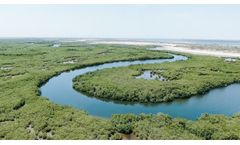
As aquatic ecosystems face mounting pressure from nutrient pollution and climate change, harmful algal blooms (HABs) continue to threaten biodiversity. Similarly, public health, and water security are also in danger. In a recent LG Sonic webinar, experts explored how water quality monitoring technologies can strengthen nature-based solutions to reduce algal blooms in different ...
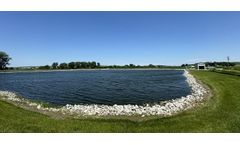
A smarter way to meet tightening nutrient discharge limits As nitrogen regulations tighten, lagoon-based wastewater systems face increasing pressure to perform. From Mexico’s new discharge standards to Iowa’s nutrient reduction strategy, utilities are being pressed to curb nitrogen pollution to meet increasingly stringent regulatory requirements. These rules aim to prevent the ...
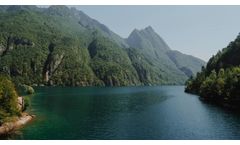
Industries face significant water quality challenges, including heavy metal contamination, chemical spills, and nutrient runoff. These issues impact ecosystems and human health. This article explores the causes, effects, and management strategies related to these water quality challenges in industrial ...
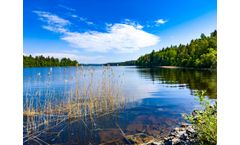
Summary Ultrasound technology is revolutionary in controlling algae blooms and maintaining water quality without chemicals. Smart technologies, including advanced sensors and cloud-connected platforms, are essential for real-time monitoring of water quality, enabling proactive lake management. Climate change significantly impacts freshwater lakes, causing declining oxygen levels and ...

Agriculture needs to regulate pesticides and runoff – The Food Quality Protection Act (FQPA) and CWA prevent harmful chemicals from entering water supplies. 7. ...
Lakes play a vital role in providing drinking water, recreational activities, and biodiversity conservation. However, growing environmental challenges, including harmful algal blooms (HABs), climate change, and increasing human pressures, demand innovative approaches in lake management. This article examines five critical areas where innovation is essential and offers evidence-based ...
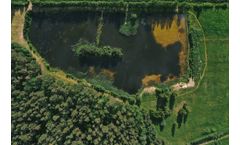
Ponds beautify any outdoors and are very encouraging for relaxation, aquatic life, and gardening. Ponds, however, without proper maintenance, are subject to algae proliferation — from once beautiful to green, and ugly mess. The most effective measure to keep algae away and healthy conditions in a pond is by proper aeration. This blog will discuss how the aeration can help keep algae away, ...
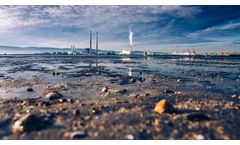
Water pollution levels are rapidly rising, bringing with them a severe risk of serious health complications for billions of people. Globally, more than 3 billion individuals—nearly 40% of the world’s population—face the risk of disease due to water pollution and a lack of data on the quality of their rivers, reservoirs, and other surface water sources. It’s a problem that, ...
South America is currently facing a devastating crisis as wildfires consume millions of hectares, especially in the Amazon basin. Over 400,000 fires have been reported, leading to catastrophic ecological damage and threatening countless species. The intense drought conditions have exacerbated the situation, creating an environment ripe for rapid fire spread. Activists are raising alarms over the ...
In an era where agriculture is essential for sustaining the global population, it’s crucial to examine the unseen threats that farming practices pose to aquatic ecosystems. While modern farming techniques have significantly boosted food production, they have inadvertently introduced risks that could undermine the very foundations of our aquatic environments. Farming, whether involving ...
Hurricanes are some of nature’s most powerful and unpredictable phenomena, known for their intense winds and heavy rainfall. When these destructive storms strike, they unleash massive amounts of water, flooding freshwater systems and causing widespread ...