
Refine by
Optical Sorting System Articles & Analysis
54 articles found

How Textile Recycling Machines Work Textile recycling requires a chain of specialized machines: automatic sorting systems, shredding machines, and chemical recycling and fiber regeneration equipment. PICVISA's AI-powered optical sorters use hyperspectral cameras to identify fiber types, colors, and fabric conditions at high speed without physical ...
As global awareness of plastic pollution grows, PLA (Polylactic Acid) has emerged as a promising biodegradable alternative to conventional plastics. However, proper sorting and recycling infrastructure is critical to realize its environmental benefits. PICVISA offers the key technologies that make PLA recycling efficient and scalable through advanced optical sorting solutions. What Is PLA ...
Step-by-Step Glass Recycling Process Industrial glass recycling involves: collection and feeding on conveyor belts, initial sorting and contaminant removal, crushing and size reduction to produce cullet, magnetic separation to remove ferrous metals, and optical sorting by color and quality. ...
Hyperspectral imaging (HSI) is transforming how recycling facilities identify, sort, and separate materials with unprecedented accuracy. PICVISA, a pioneering machine vision systems company, equips all its sorting solutions with HSI using near-infrared (NIR) technology, enabling the identification of materials by their chemical composition, ...
As waste volumes continue to rise globally, optical sorting machines are becoming essential technology for modern recycling facilities. PICVISA, a renowned optical sorting machine manufacturer based in Barcelona, Spain, offers a comprehensive range of optical sorting solutions including ECOGLASS, ...
Automated waste sorting systems are revolutionizing recycling facilities worldwide, achieving up to 85% greater accuracy than manual sorting methods. ...
Traditional waste sorting methods are no longer sufficient for today's recycling challenges. ...
PICVISA's Technology for Waste Reduction Emerging technologies like those marketed by PICVISA are paving the way toward a more sustainable future. PICVISA's AI-powered optical sorting systems, robotics, and data analytics help recycling plants increase efficiency, improve material recovery rates, and meet increasingly stringent environmental ...

Location: Canada Crop: Potatoes (reds, yellows, russets) Capacity: 50–60 t/h Line Type: High-capacity potato wash line The Challenge Heartland Fresh Pak, a potato operation in Canada, needed a wash line capable of handling high volumes of varietal potatoes—reds, yellows, and russets—at 50–60 tonnes per hour. The solution had to integrate seamlessly with their existing ...
Carrot and parsnip processing might appear relatively straightforward on the surface, but across global markets, it is becoming increasingly complex. Processors today are balancing higher expectations around quality, food safety, and traceability with growing pressure on labour, water, and operational costs. While carrots dominate global volumes and often dictate how lines are designed, parsnips ...
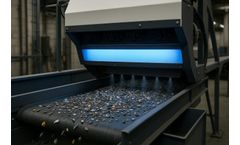
This technical approach defines the state of the art in automated sorting for battery processing lines.Introduction to Optical Sorting TechnologyHow Optical Sorters WorkAn optical sorter operates on a three-stage architecture: presentation, detection, and ejection. ...
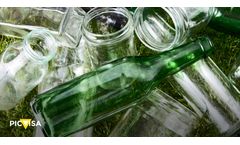
Glass recycling How recycling glassware benefits the environment Is glass the same as crystal? They are very different materials, although not everyone knows it. In fact, many people still throw light bulbs, broken glasses or perfume bottles into the glass container, which leads to errors in glass recycling. Understanding how to dispose of glassware or how to dispose of broken glass is key to ...
PICVISA provides the plastic recycling industry with solutions that are a benchmark in efficiency and quality assurance of the final product: the ECOPACK and ECOFLAKE optical sorting systems. Chemical recycling and depolymerisation Chemical recycling breaks down polymers into their basic molecular components. ...
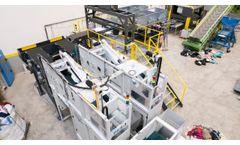
Artificial Intelligence PICVISA and Girbau are leading the way towards industrial textile recycling Girbau's automated feeding technology, Sortech, has been combined with PICVISA's ECOSORT optical sorting solution to create a collaboration that enables industrial-scale sorting lines for second-hand garments. The focus here is on reuse and ...

The materials are placed on the conveyor belt and then sorted, where MRF workers remove non-recyclable materials, such as electrical cables. ...

Sectors recycling Why is it important to recycle? Key reasons and benefits The environmental benefits obtained when we recycle redound to our quality of life. But if we really want to protect our planet, we need to reuse and reduce our waste before we tackle waste management. Let´s see why is it important to recycle.What is recycling and why it is important? Recycling involves collecting and ...
Every Crop Is Different, and So Is Our Approach No two harvests are ever the same. Soil types, climate, and storage conditions vary, retail standards evolve, and sustainability expectations are rising. For processors, these shifts can mean fluctuating crop size, shape, density, and finish, all of which impact line performance. We design equipment that doesn’t just perform; it adapts. ...
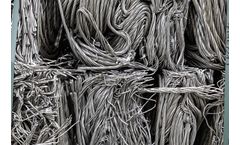
The global transition toward renewable energy infrastructure, electric vehicle charging networks, and smart grid technologies has dramatically increased aluminum cable usage while simultaneously creating substantial opportunities for specialized recycling operations. Unlike traditional copper-based systems, aluminum cables present unique processing challenges and recovery opportunities that ...

Moisture is removed through pressing and drying, followed by optical sorting to separate coloured flakes from clear ones. The clear flakes are then used to produce plastic sheets, which can later be turned into new packaging. ...

This shift isn’t just about environmental responsibility; it represents a fundamental rethinking of resource efficiency that’s rewriting project economics from the ground up.Modern recycling protocols now allow up to 90% of construction and demolition debris to be repurposed, with advanced sorting technologies creating high-value secondary materials. From crushed concrete ...