
Refine by
Particulate Emissions Articles & Analysis
209 articles found
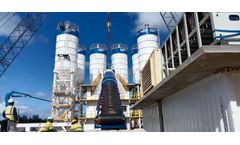
Particulate emissions from concrete batching plants represent one of the sector's most persistent environmental compliance challenges. Cement dust, aggregate fines, and admixture particulates generated during batching operations carry demonstrable health risks for site personnel and surrounding communities, while regulatory frameworks in most ...
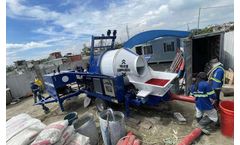
Latin America is not a monolithic regulatory zone; it is a quilt of emission directives, some harmonized with the US EPA, others following the European Stage system, and a few carving their own unique paths. ...

Key pollutants include nitrogen oxides (NOx), sulfur oxides (SOx), volatile organic compounds (VOCs), and particulate matter. Understanding Pyrolysis Emissions The pyrolysis process involves thermal decomposition of waste in the absence of oxygen. While this reduces combustion-related emissions, the process still generates gaseous and ...

Batching plants, which produce the concrete that builds our infrastructure, are a significant source of emissions, dust, noise, and water consumption. The transition to eco-friendly batching plants for sale is not a matter of optional upgrades. ...
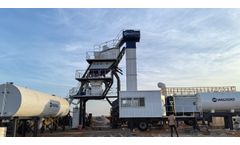
Multi-Stage Baghouse Filtration and Zero-Leakage Dust Compliance The zero-leakage dust emission standard that urban green-zone projects impose requires filtration system performance that single-stage collection designs cannot achieve reliably under the variable particulate loading conditions that portable unit deployment across diverse aggregate sources ...
ByMacroad
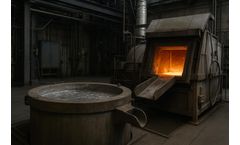
Electric refining kettles rely on resistance or induction heating with precise temperature control and zero direct emissions, but require no combustion air or flue gas systems. Energy consumption ranges from 80-120 kWh per tonne; higher electricity costs typically yield 20-40% higher operating costs, offset where emission control or temperature precision ...

Introduction Welding operations across manufacturing industries generate airborne contaminants in the form of metal fumes, gases, and ultrafine particulate matter These emissions, if not properly controlled, can accumulate within the workspace and expose workers to hazardous substances. ...
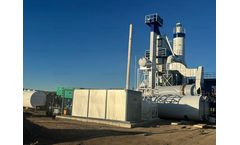
Pulse-Jet Baghouse Filtration and Dust Emission Compliance Dust emission control in standard hot mix plant configurations relies on cyclone pre-separation followed by reverse-air or shaker-type baghouse filtration — systems adequate for industrial zone deployments but insufficient for the particulate emission limits that ...
ByMacroad

Standard burner designs calibrated for sea-level stoichiometry generate fuel-rich mixtures at altitude, producing incomplete combustion, carbon monoxide emissions, and soot particulates that overwhelm filtration systems. Specifically, unmodified combustion systems experience 40-60% efficiency degradation at this elevation, forcing over-firing that accelerates ...
ByMacroad
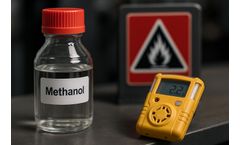
Methanol is increasingly attractive as a maritime fuel, offering significant reductions in NOx, SOx, and particulate emissions. With established infrastructure and ease of handling, it provides a practical pathway toward cleaner shipping.However, methanol introduces safety considerations. ...

In regions with major transport corridors, emissions from manufacturing and vehicle traffic can affect ambient particulate levels along road networks, underscoring the value of continuous monitoring for roadside and urban air quality management.Facilities near residential or mixed-use areas may experience elevated exposure risks without ongoing ...
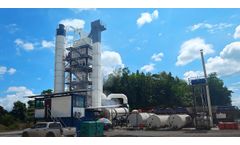
These systems are essential for minimizing emissions and particulate matter, which can be detrimental to air quality. High-efficiency particulate air (HEPA) filters and electrostatic precipitators can capture and reduce harmful emissions before they are released into the atmosphere. ...
ByMacroad
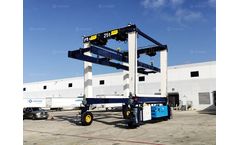
As global pressure mounts to reduce carbon emissions, lower operating costs, and improve operational efficiency, manufacturers and operators alike are accelerating the adoption of energy‑efficient RTG crane designs. ...
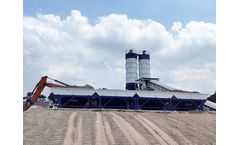
A plant that effectively controls dust emissions, for instance, also reduces material loss and improves the working environment for its personnel. ...
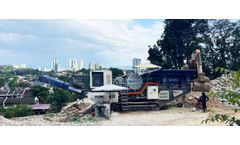
Environmental Considerations and Regulatory Compliance With the tightening of environmental regulations globally, there is a growing emphasis on reducing emissions and minimizing environmental impact. Manufacturers are responding by designing crushers that comply with stringent emission standards. For example, some mobile jaw crushers are now equipped with ...
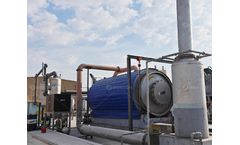
This synergistic energy integration improves overall system efficiency and strengthens the business case for localized waste processing. Emissions Control and Regulatory Alignment Stringent emissions standards in urban areas require pyrolysis plants to be equipped with advanced pollution control systems. Filtration units, flue gas scrubbers, and catalytic ...
Without proper containment, fine particulate matter escapes into the air, affecting air quality, worker health, and surrounding ecosystems. ...
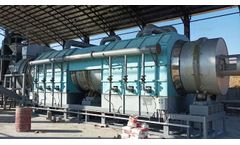
This integrated approach reduces the net carbon emissions associated with both energy generation and waste management. Improved Air Quality and Emission Control Equipped with advanced gas treatment systems, modern palm shell charcoal machines capture and neutralize airborne pollutants such as tar, acidic vapors, and particulate matter. These ...
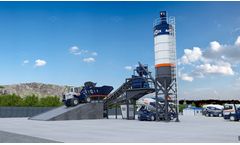
Retrofitting existing mobile plants with emission control technologies offers a cost-effective path to environmental compliance while maintaining operational flexibility. These upgrades target three primary pollution sources: particulate matter from material handling, exhaust emissions from power units, and wastewater from cleaning ...
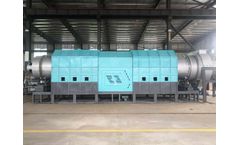
Sourcing locally available residues minimizes transport emissions and supports a more favorable environmental profile. The biochar machine compatibility with variable feedstocks enhances this potential, allowing operators to adapt to seasonal or regional biomass flows. ...