
Refine by
Pest Control Articles & Analysis
223 articles found
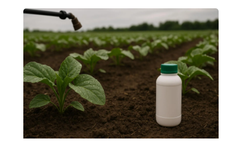
This complementary approach strengthens overall efficacy and supports more resilient pest and disease control systems.Biological products undergo rigorous testing comparable to conventional chemicals before market. While resistance mitigation is not always tested directly as a standalone claim, it is widely accepted that combining different modes of action within ...

A Chemistry-Based Approach to Fly and Odor Control Abstract Persistent fly infestations and odor generation in agricultural, industrial, and municipal systems are commonly treated as surface-level sanitation issues. ...

As winter sets in, pest pressures don’t go away—they shift. For facility managers, property owners, and pest control professionals, cold months introduce a different set of challenges, especially when it comes to birds. As temperatures drop and food sources disappear, birds become more reliant on buildings for shelter and warmth. That ...
These surface-associated microbial communities form a complex extracellular polymeric substance (EPS) matrix that can retain up to 95% water, protect embedded microorganisms from oxidizing biocides, and serve as a breeding substrate for invertebrate pests such as filter flies (Psychodidae). The presence of biofilm has been shown to increase chlorine demand by as much as 100-fold ...
As industries across agriculture, food processing, wastewater treatment, and environmental operations face increasing pressure to reduce nuisance-insect activity, a new challenge has emerged: How do we manage harmful fly presence without compromising pollinators, ecological balance, or community health? Traditional neurotoxic pesticides—such as pyrethroids and organophosphates—have ...
While this seasonal migration may seem harmless, it introduces a host of challenges for property managers, pest control operators, and facility maintenance teams. Winter bird control is not just about discouraging roosting or removing nests. ...
However, they also present unique challenges when it comes to pest birds. Birds are drawn to food-related facilities for shelter, warmth, and access to waste streams, creating risks that extend far beyond simple nuisance concerns. ...
Large outdoor lots, glass-front showrooms, elevated signage, and expansive rooftops are all part of that presentation—but they also create ideal conditions for pest birds. Pigeons, gulls, starlings, and sparrows are commonly drawn to dealership properties, where they find open space, elevated perches, reflective surfaces, and minimal disturbance. ...

Katherine Cimino is a marketing manager and science communicator with a focus on environmental solutions, wastewater management, and integrated pest control. She collaborates closely with engineers and scientists to translate complex research into actionable insights for industry operators. ...
Warehouses and industrial facilities present unique challenges when it comes to managing pest birds. The scale, structure, and function of these buildings—often featuring high ceilings, open bays, storage racks, and constant activity—create ideal conditions for birds seeking shelter, food, and nesting sites. ...
Rooftops offer a perfect storm of conditions that attract pest birds during the summer. Elevated from predators, warmed by the sun, and often near food sources, they become prime real estate for nesting, roosting, and shelter. For property owners and pest control professionals, these high places can quickly turn into maintenance nightmares ...
If faced with only one deterrent, many species quickly adjust their behavior to ignore the threat. Successful bird control instead comes from creating a multi-sensory, multi-layered environment that birds find unpredictable and inhospitable. Combining control solutions is essential because it attacks pest bird problems from multiple angles: ...

Sex pheromones affect the mating and reproduction of insects, so studying them is of great significance for pest control. Lepidoptera insects are the main pests in agriculture and forestry, so the research on Lepidoptera sex pheromones is relatively extensive. ...
Bird netting is one of the most effective and humane methods for excluding pest birds from buildings, gardens, and other structures. It physically blocks access without causing harm, making it ideal for long-term bird control. ...
Birds are dynamic creatures whose behaviors change significantly with the seasons. A site free of pest birds in spring may be overrun by migrating flocks in fall or by nesting colonies in summer. Effective bird management isn’t a one-time effort—it’s an ongoing strategy built around seasonal cycles and proactive measures. Year-round bird ...
As temperatures rise and nature awakens, pest bird activity increases. Spring is a critical time to implement effective bird control strategies, especially as pigeons, starlings, and other birds begin nesting, breeding, and expanding their territories. Whether you’re a property manager, pest control operator, or homeowner, ...
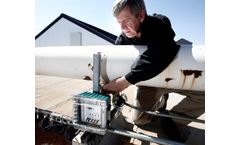
For industries like food processing, hospitality, transportation, and warehousing, maintaining a bird-free environment is essential for meeting health and safety standards. In these environments, pest birds can contaminate products, disrupt operations, and create health hazards for employees and customers. ...
2-Undecenal is a colorless to light yellow liquid, insoluble in water, soluble in organic solvents such as ethanol, with a boiling point of 229°C (94°C/267 Pa) and a molecular formula of C11H20O. In the realm of pest control, 2-Undecenal has proven to be a valuable tool for repelling and controlling various insect species. ...
Pigeons, starlings, sparrows, and grackles are common pest birds in North America, known for causing property damage, creating health hazards, and leaving behind unsightly droppings, making spring bird control critical. ...
These systems can transport water directly to plant roots and reduce the risk of evaporation, thereby minimizing the waste of water resources. Crop protection and pest control: Plastics play a key role in crop protection through the manufacture of plastic mulches and covers. ...