
Refine by
Pollination Articles & Analysis
134 articles found
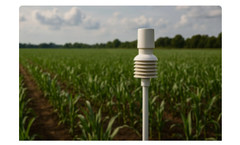
Rice / Paddy: Optimal RH 70–90%; critical during flowering; risk to pollination below threshold; blast disease and sheath blight risk above threshold. ...

However, they do not always fully explain the severity of observed symptoms.Air allergenicity depends on the amount of allergens that are present and inhaled, particularly during peak pollination when pollen grains fragment and release allergenic proteins. ...

As industries across agriculture, food processing, wastewater treatment, and environmental operations face increasing pressure to reduce nuisance-insect activity, a new challenge has emerged: How do we manage harmful fly presence without compromising pollinators, ecological balance, or community health? Traditional neurotoxic pesticides—such as pyrethroids and ...

Secondary metabolites, an incredibly diverse group including phenolics, terpenes, and alkaloids, mediate interactions with the environment – attracting pollinators, deterring herbivores, combating pathogens, and coping with abiotic stresses like extreme temperatures or salinity. ...
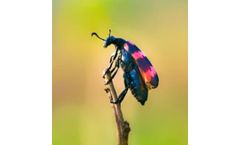
Chiral carbonation in insects also influences pheromone activity. Pollinating insects, for instance, track plants using the pheromone carvone oxide, and the chiral carbon chemistry of trans-carvone oxide and cis-carvone oxide is not the same. The antennae of two pollinating insects, Euglossina E. at-leticana and E. niveofasciate, respond better to trans-carvone ...

Forty per cent of world species depend on the world’s rapidly degrading wetlands, including humans. Water stewardship is already delivering huge benefits in water availability in our communities. Why not do it for nature too? IF THE SLEW of recent sustainability conference themes and blogs is anything to go by, nature is having a moment. It’s long overdue. The world’s forests, ...
The accumulation of anthocyanins in plant tissues serves multiple purposes, including attracting pollinators, deterring herbivores, and protecting against environmental stresses such as UV radiation and pathogen attacks. ...
Unlike conventional pesticides, pheromones are not toxic to the environment or non-target organisms such as birds and pollinators. This makes it a more sustainable method of pest control that will not harm the environment. ...

Additionally, because insecticidal proteins are highly specific to target pests, they have a lower impact on beneficial insects, such as pollinators and natural predators, which play a crucial role in maintaining ecosystem balance. ...
With pheromone activity screening service, the clients can evaluate the effectiveness of their pheromones in a variety of settings, including: - Agriculture: Pheromones can be used to control insect pests and to increase pollination rates in crops. - Pest Management: Pheromones can be used to detect and monitor insect pests and to attract or repel them from controlled ...

Additionally, weather stations provide information about pollination patterns and pest activity, enabling farmers to take timely action to protect their crops.Environmental monitoring is a crucial application of outdoor weather stations. ...
ByJXCT
It’s about the grand tapestry of biodiversity. Pollinators like bees are affected by pollutants, decreasing pollination and affecting global food chains. ...
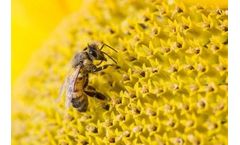
Bees are an especially critical part of the biodiversity of our planet. They pollinate plants, which helps to produce food and other essential resources. ...

These chemicals are lethal to most insects, including essential pollinators. Chemical-free treatment of seeds In order to avoid the effects of chemical treatments, chemical-free solutions are strongly desired. ...
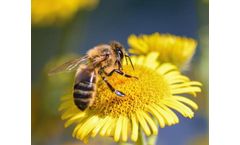
In history, farms had no concerns about pollination thanks to high populations of pollinating insects such as bees in natural abundance. However, due to the increased population demanding more crops, habitat destruction, and the use of fertilisers bee communities are dropping.1 “The pollinator crisis” refers to the decline in global ...
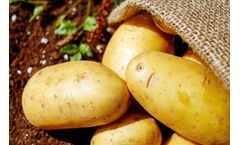
As a next step in these studies, T2-7 lines have been self-pollinated and crossed with Yukon Gold line donors and other potato clones to eliminate transgenic ...

As a companion to these plant beds, another addition to our rooftop has created quite the buzz–a colony of honeybees that will help pollinate our garden and the nearby greenery around the Eastlake neighborhood. ...

“These partnerships are extremely important for us”, shares our Chief Product Officer, Pedro Costa. “They allow the cross-pollination of ideas and technologies between the industry and the academy, allowing us to design better, safer, and more innovative products, and brings research and students closer to what is actually happening on the market. ...
Looking for helpful tips on for recycling and reusing at home? Check out this fantastic post by Daniela Gonzalez, an advice author at porch.com. Note the contribution by Harmony Enterprises regarding recycling your home waste! Recycling household items can lead to a cleaner and greener environment. Recycling and reusing items can also help produce less trash that goes into landfills, ...

Everyone wants to be innovative, but rarely is innovation a lightning strike of genius – especially within the robotics industry. Instead, it is an intentional process and methodology. This process is refined and modified over time to enable an organization’s ability to think creatively and execute ...