
Refine by
Power Semiconductor Articles & Analysis
34 articles found

What is Wire Bonding? Wire bonding is a microelectronic interconnection technique used to electrically connect a silicon chip (or die) to the leads of a semiconductor package using very fine wires. It is the most widely used method for chip-level packaging due to its cost-efficiency, flexibility, and precision. At its core, the science behind wire bonding involves the creation of a ...
From producing chips to helping data centers run, ultrapure water is a must, and Fluence is here to deliver it As artificial intelligence continues to make breakthroughs across industries — from machine learning and generative models to robotics and natural language processing — the physical infrastructure powering this digital revolution is facing mounting demands. ...
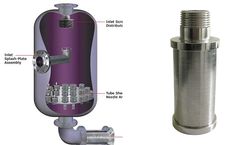
In ultrapure water processes: semiconductor manufacturing, nuclear power, and labs. They operate by passing water through the mixed resin, exchanging ions for H⁺ and OH⁻, and forming ultrapure water in a single-pass cycle. ...
Whether you are working in petrochemicals, power generation, semiconductors or pharmaceuticals, we understand that you face similar challenges where measurement accuracy and durability are not just operational goals, but foundational requirements for safety and ...

Silica fouling prevention in industrial plants and data centers is a critical challenge facing facility managers, sustainability directors, and process engineers. Silica deposits significantly reduce equipment efficiency, increase operational costs, and risk system downtime. However, with strategic management and innovative technologies from Genesis Water Technologies (GWT), silica fouling can be ...

Advanced water treatment technologies overcome obstacles that stand in the way of producing ultrapure water for industrial use Access to high-quality demineralized water is essential for many industries, including power generation, pharmaceuticals, semiconductors, high-tech manufacturing, electronics, and chemical processing. ...
Accurate temperature measurement is critical in industrial operations, from chemical processing and power generation to pharmaceutical manufacturing and semiconductor fabrication. ...
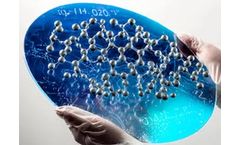
Cleaning silicon wafers is a crucial step in semiconductor manufacturing, ensuring that they are free of contaminants and defects before subsequent processing steps. Traditional methods for cleaning silicon wafers often involve using sulfuric acid, hydrofluoric acid, and hydrogen peroxide to remove organic and inorganic contaminants. However, in recent years, ozone (O3) has emerged as an ...

Semiconductors are used in integrated circuits, consumer electronics, communication systems, photovoltaic power generation, lighting, high-power power conversion and other fields. Semiconductors are very important from both the technical and economic point of view. ...
Precision is a fundamental requirement in the field of semiconductor manufacturing. One crucial component ensuring this precision is the probe card. But what exactly is a probe card, and why is probe card measurement so critical? In this article, we’ll delve into the basics of probe cards, explore their types and applications, and uncover the significance of probe card metrology and ...
At present, the largest amount of ion exchange resin is used in the treatment of pure water in thermal power stations, followed by atomic energy, semiconductor materials, and the electronics industry. l Food Industry Ion exchange resins can be used in industrial equipment such as sugar, chicken essence, special wine, and biological products. ...

As the world works to reduce greenhouse gas emissions, global adoption of electric vehicles (EVs) is driving an increased demand for high-power, energy-efficient compound semiconductors, such as silicon carbide (SiC)-based components, throughout the entire EV assembly process. ...
Semiconductor fabs use up to 100 megawatt-hours of power each and every hour Semiconductor manufacturing facilities require a massive amount of energy to support their facilities and manufacturing processes. Large fabs can use as much as 100 megawatt-hours of power each hour – more than many oil refineries and automotive ...
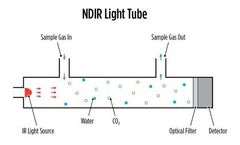
Total organic carbon analyzers yield results that provide information on the safety of drinking water and water systems, product quality and giveaway, process optimization, and environmental impact in a variety of applications, such as: Municipal wastewater and treatment Airport runoff Industrial runoff Food & beverage Ultra pure water applications ...

Industries requiring high purity or ultrapure water such as the Semiconductor, Pharmaceutical, Laboratory and Power may not be aware that Electrodeionization (EDI) is the go-to replacement for DI canisters (which require onsite or offsite chemical regeneration). ...

The trend in data centers has been increased power density and equipment to cope with the worldwide demand. This results in thermal stress on installed equipment, inefficient cooling systems and increased overhead. ...
ByAKCP

DC power flows through conductors well, such as a cable wire for aircraft electrical system components, as well as through semiconductors and insulators. ...

They may be handheld or attached to a belt or uniform and are battery powered. Gas detection or dosimeter badges are generally one-use, inexpensive monitors that change color when a target gas is detected. ...

Adding a second pass RO, with NaOH injection interstage, to make the optimum FCE for EDI: 2-pass RO can achieve FCE between 1 and 5 μS/cm, often required for power generation and semiconductor/electronics applications where purity and low silica levels are critical. ...
Spikes in species like sodium (Na+) and silica (SiO2) are particularly worrisome for power plants, who expect a guaranteed maximum level. Fear of spikes lead to premature chemical regeneration of the mixed bed polishers. ...