
Refine by
Process Energy Articles & Analysis
1,270 articles found
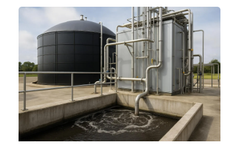
High-rate anaerobic systems provide a compact, energy-efficient pretreatment option for industrial wastewaters with high organic load and relatively low solids. ...
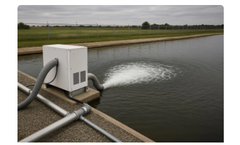
Advanced nanobubble technology provides a smarter solution to elevate dissolved oxygen levels while reducing chemical and energy use.The nanobubble system has transformed the water environment in industrial contexts by generating ultra-fine, highly stable bubbles that supply oxygen efficiently and support natural water quality.Advanced nanobubble technology yields tangible ...

For facilities generating medium- to high-concentration VOC emissions, DFTO technology offers several advantages.High VOC Destruction Efficiency A properly designed DFTO system can achieve:VOC destruction efficiency above 99% Hazardous Air Pollutant (HAP) removal above 99% Compliance with stringent environmental regulations Rapid Response to Process Changes Because DFTO systems ...

Maize (corn) is one of the world’s most important staple crops, and processing it into high-quality flour requires the right equipment and workflow. ...
However, the manufacturing process generates significant volumes of volatile organic compounds (VOCs), which require effective treatment before atmospheric discharge.As a professional photovoltaic raw material exhaust gas treatment manufacturer, CADAIR provides advanced VOC treatment systems specifically designed for photovoltaic material production facilities. ...
By converting waste into electricity, waste-to-energy (WTE) plants play a critical role in supporting circular economy and sustainable urban development.However, the incineration process generates complex flue gas streams containing a wide range of pollutants, including:Carbon Monoxide (CO) Nitrogen Oxides (NOx) Sulfur Oxides (SOx) Hydrogen Chloride (HCl) ...
CADAIR Integrated Hazardous Waste Flue Gas Treatment Process CADAIR has developed a complete treatment process designed specifically for hazardous waste incineration exhaust.Step 1: High-Efficiency Baghouse Dust Collection Before entering the RTO, exhaust gas passes through a high-performance bag filter.Benefits include:Removal of particulate matter Protection of ...

Polypropylene: Enhanced Energy Content and Process Considerations Polypropylene (PP) is another prevalent feedstock in plastic pyrolysis operations. ...
During coating, spray painting, drying and finishing processes, significant amounts of volatile organic compounds (VOCs), paint mist and wood dust may be generated. ...
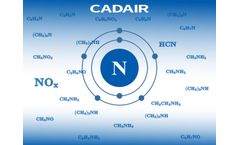
The most economical, safe and effective technical combination needs to be customized according to the specific working conditions of enterprises: High concentration and good water solubility: Prioritize the liquid absorption method, or use it as a pretreatment process Large air volume and low concentration: Adopt the combined process of "Zeolite Rotor ...
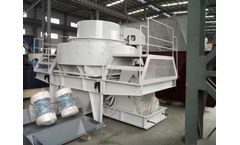
Quarry by-products, overburden, and low-grade aggregates can all be processed into valuable construction sand within a sand production plant, supporting circular economy principles. ...
Meanwhile, the wheat processing production phase must balance extraction rates with nutritional content, a key concern for today’s health-conscious buyers.Why Invest in Integrated Systems? Separate units may seem cheaper initially, but an integrated wheat processing plant offers better energy efficiency, easier maintenance, and higher throughput. ...

Recently, New South Wales in Australia has placed a massive new energy procurement order, creating the largest energy infrastructure bidding project in Australian history. ...
This performance is incomparable with conventional adsorption materials. 3. Process Flow Diagram The standard K-FILTER (KF) solvent recovery process supports continuous and stable automatic operation. ...
The true autoclave cost extends far beyond the machine itself. Heat-based medical waste processing systems often require extensive supporting infrastructure, including boiler systems, cooling equipment, sewer and wastewater connections, gas supply lines, permitting, environmental compliance measures, and facility modifications before processing can even begin. As processing demand increases, ...
Wood waste carbonization is a thermochemical process that converts raw wood residues into valuable products such as charcoal or biochar. Unlike simple combustion, carbonization carefully controls temperature and oxygen levels to preserve the carbon content of the wood while generating energy-rich byproducts. This process not only reduces waste ...
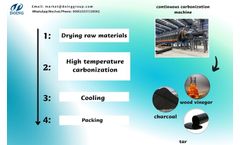
Enhancing Carbonization Efficiency and Reducing Consumption Excessive moisture within agricultural waste implies that during the heating phase of the carbonization furnace, additional thermal energy must be expended to evaporate this water. This significantly increases the overall energy consumption of the carbonization process, extends the time ...
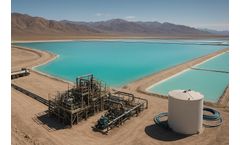
Power Generation: The Water-Energy NexusWater and energy are tightly interconnected across production and delivery. The pumping, treatment, and return of wastewater consume energy, while energy production is water-intensive. Thermal power plants require large volumes of water for cooling, and even ...
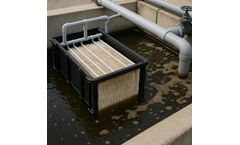
A specific type, biofilm-only MABR, is designed to efficiently remove ammonia through nitrification, focusing on converting ammonia to nitrate in a stable, energy-efficient process. At its core, MABR is a biofilm-based process that uses a membrane to deliver oxygen directly to microorganisms. ...

Digital systems automate these processes and significantly reduce the manual effort involved. Lastly, safety plays a central role. ...