
Pyrolysis Process Articles & Analysis: Older
1,011 articles found
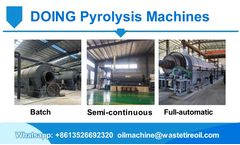
These agricultural wastes can actually be transformed into valuable biochar through appropriate methods: pyrolysis/carbonization process. The process of producing biochar from waste not only helps reduce waste accumulation but also contributes to sustainable farming, carbon sequestration, and even energy production. ...

Waste tyres are one of the most challenging waste streams, with billions discarded annually. A pyrolysis plant addresses this crisis by processing 10–12 tons of tyres per batch, as demonstrated in a South African project. The process breaks down rubber into three key products: pyrolysis oil (used for industrial heating or ...
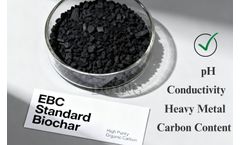
This is the foundation for ensuring the safety and environmental friendliness of the final biochar product. 2. Core Production Process: High-Temperature Pyrolysis Pyrolysis is the process of heating biomass at high temperatures in an oxygen-limited or oxygen-free environment. ...
Turning Agricultural Waste into Green Value Palm kernel shells are rich in lignin and cellulose, making them an ideal raw material for producing biochar through pyrolysis. During this process, the shells are heated in a low-oxygen environment, releasing combustible gases and leaving behind solid carbon — biochar. ...
Estimates suggest that for every ton of processed wood, up to 150 kilograms of sawdust is produced, totaling millions of tons worldwide. ...
The yield depends on several factors, including feedstock type, moisture content, particle size, and pyrolysis temperature. 1. What Is Biochar Yield? Biochar yield is the proportion of solid carbon (biochar) obtained after the pyrolysis process of biochar pyrolysis equipment, compared to the weight of the original biomass. ...
As a result, scientists and innovators are turning toward chemical recycling, and among these technologies, plastic pyrolysis stands out as one of the most promising. Pyrolysis is a thermal decomposition process that breaks down plastic waste into smaller molecules under high temperatures (typically 300–700°C) in the absence of oxygen. ...
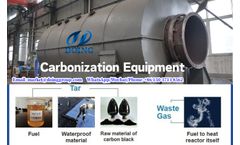
This on-site processing further reduces the overall carbon footprint. Good pyrolysis machine should maintain stable operating efficiency and low energy consumption, which is crucial for achieving an overall low-carbon pyrolysis plant operation. ...
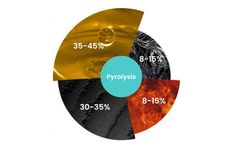
A waste tyre pyrolysis plant converts discarded rubber materials into valuable secondary resources through thermochemical decomposition. ...

The small pyrolysis plant adopts skid-mounted operation mode, with a processing capacity of 1-2T/D. ...
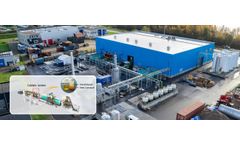
These outputs shift the perception of plastic from waste liability to energy asset. Fuel oil extracted through pyrolysis is suitable for industrial boilers, heavy machinery, and in some cases as feedstock for refining processes. Diversified Feedstock Compatibility A major advantage of pyrolysis plants is their ability to process ...
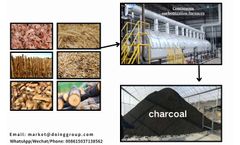
Wood charcoal preparation is the process of converting wood into a highly efficient fuel through appropriate methods. ...
However, one crucial factor that significantly affects the efficiency and quality of the pyrolysis process is the moisture content of the raw material. Why Does Moisture Content Matter in Oil Sludge Pyrolysis? The moisture content in oil sludge plays a direct role in the performance of the pyrolysis process. Here ...

What raw materials can be processed by pyrolysis equipment? Pyrolysis equipment can process a variety of organic waste, mainly including: waste tires, waste plastics (PVC\PET are not suitable), oil sludge and paint residue, biomass, etc. ...
Traditional recycling approaches cannot handle the vast volume of non-recyclable plastics, while landfilling and incineration harm the environment. One promising solution is pyrolysis of plastic to oil, a process that transforms waste plastics into valuable fuels. ...
What Is Pyrolysis Technology? Pyrolysis is a high-temperature, oxygen-free process that breaks down organic materials, such as plastics, biomass, and waste tires, into useful by-products like oil, gas, and char. ...
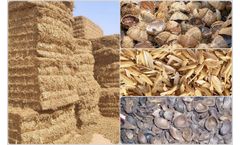
The best feedstock for biochar production depends on its availability, carbon content, and ease of processing. High-quality biochar raw materials generally share several common characteristics: high carbon content, suitable density, and a reasonable ash content. ...
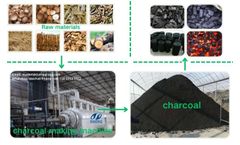
A charcoal maker machine converts biomass materials into high-quality charcoal through a high-temperature carbonization process. This process not only preserves the energy value of the raw materials but also significantly reduces the environmental pollution caused by direct incineration. ...
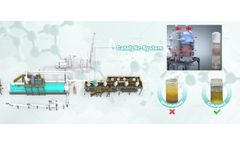
By incorporating specialized catalysts into the pyrolysis process, industrial operators can significantly improve oil yield, enhance product quality, and optimize energy efficiency. ...
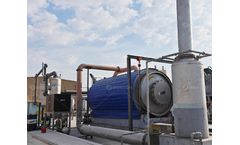
A small scale pyrolysis plant can process these low-value materials, diverting them from incinerators and landfills. ...