
Refine by
Pyrolysis Process Articles & Analysis
1,047 articles found

The Role of Biochar Production Equipment Modern biochar production equipment utilizes carbonization or pyrolysis processes to thermochemically convert biomass under oxygen-limited conditions. During this process, volatile compounds are released while a stable carbon structure remains. ...
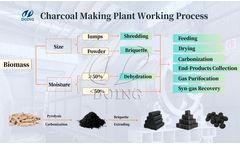
The charcoal production facility must be rationally divided into the following areas: raw material storage, production and processing, finished product storage, and administrative offices. Given the flammability of both raw materials and finished charcoal, the planning of fire safety facilities and the provision of safety passageways are also essential preparatory work. 4. ...
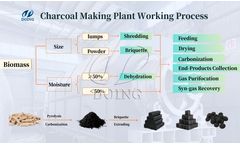
To produce biochar, one must rely on specialized biomass pyrolysis machine. Biochar Manufacturing Process: Upon entering the main carbonization unit, biomass feedstock undergoes thermochemical reactions at high temperatures, shedding moisture and most volatile substances to ultimately yield the high-carbon structure. ...
Feedstock selection plays a pivotal role in determining the operational efficiency, product yield, and economic feasibility of a pyrolysis system. Various plastic types exhibit distinct chemical compositions, thermal behaviors, and processing requirements, making a comparative analysis crucial for effective pyrolysis operations. ...
For businesses and investors operating a biochar production machine, one of the most important performance indicators is biochar yield—the percentage of solid biochar obtained from the original biomass feedstock during the pyrolysis process. A higher biochar yield can improve production efficiency and profitability. ...
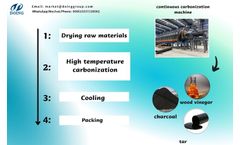
In the process of biomass resource recycling, biomass carbonization technology has garnered widespread attention for its ability to transform waste into high-value energy. Whether it be rice husks, coconut shells, wood chips, or agricultural crop stalks, converting them into biochar with high fixed carbon content requires undergoing high-temperature pyrolysis ...
This article explores the differences between batch and continuous pyrolysis reactors, their implications for waste tyre and plastic processing, and why this choice can be the turning point for a project’s commercial success. Batch Pyrolysis Reactors: Flexible but Limited Batch reactors are the most traditional type of ...
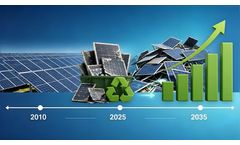
Through specialized solar panel recycling process, these materials can be efficiently extracted and reintroduced into industrial production, enabling recycling enterprises to generate substantial revenue by selling recovered materials. ...
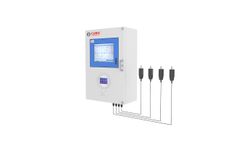
Ethylene Production Process Ethylene production primarily relies on the cracking process of petroleum fractions (such as naphtha, liquefied petroleum gas, and ethane). This process involves high-temperature pyrolysis to decompose large hydrocarbon molecules into smaller molecules, mainly ethylene, along with other hydrocarbon ...
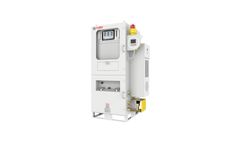
Based on the principle of Laser Raman Scattering, LRGA-6000 excites, collects, processes, and identifies the characteristic Raman Scattering spectra of measured gases to achieve both qualitative and quantitative analysis with exceptional precision. ...
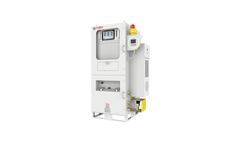
Based on the principle of Laser Raman Scattering, LRGA-6000 excites, collects, processes, and identifies the characteristic Raman Scattering spectra of measured gases to achieve both qualitative and quantitative analysis with exceptional precision. ...
Pyrolysis is a promising technology for converting waste materials such as tires, plastics, and oil sludge into fuel, carbon, and gas. ...
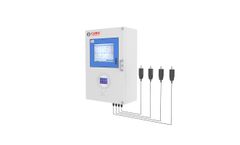
Ethylene Production Process Ethylene production primarily relies on the cracking process of petroleum fractions (such as naphtha, liquefied petroleum gas, and ethane). This process involves high-temperature pyrolysis to decompose large hydrocarbon molecules into smaller molecules, mainly ethylene, along with other hydrocarbon ...
Materials such as plastics, rubber, and certain chemical residues undergo thermochemical decomposition, decreasing their volume and toxicity. This process alleviates pressure on municipal waste management systems and mitigates the long-term environmental hazards associated with landfill accumulation, including leachate formation and subterranean pollution.Minimization of Airborne ...
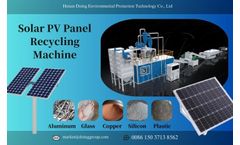
Solar panels typically consist of a multi-layered structure comprising glass, metal frame, encapsulating materials, and photovoltaic core. During the recycling process, these components can be processed and separated to recover a variety of materials. ...
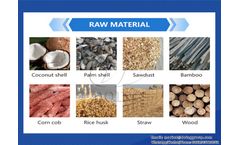
Compliant Biochar Production Processes Biochar production must employ pyrolysis processes that adhere to established standards, thereby ensuring the stability of the biochar and the carbon sequestration efficacy. ...
This technology not only addresses waste management issues but also helps businesses maximize production efficiency while contributing to environmental sustainability. The Process of Wood Pyrolysis Wood pyrolysis is a thermochemical process in which organic material, particularly wood, is subjected to high temperatures in an ...
The gas generated can also be used to fuel the pyrolysis process itself, thereby improving the plant's energy efficiency. ...
These policy initiatives are encouraging industries to explore advanced recycling technologies, including continuous plastic pyrolysis. Understanding Continuous Plastic Pyrolysis Technology Continuous plastic pyrolysis is an advanced thermochemical process that converts plastic waste into valuable products such as fuel oil, ...
What Is a Plastic to Oil Plant? A plastic-to-oil plant uses a process called pyrolysis – thermal decomposition in an oxygen-free reactor. Unlike incineration (which burns plastic with oxygen, releasing toxic emissions), pyrolysis breaks long hydrocarbon chains back into shorter liquid hydrocarbons. ...