
Refine by
Recycling Waste Sorting Articles & Analysis
38 articles found

Hyperspectral imaging (HSI) is transforming how recycling facilities identify, sort, and separate materials with unprecedented accuracy. ...
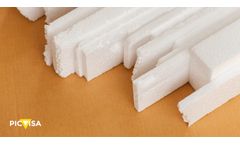
Other materials recycling Challenges and solutions in the polystyrene recycling industry From solving waste collection issues to implementing emerging technologies, the recycling industry is facing interesting challenges in tackling polystyrene (PS) recovery. ...

Recycling plants are facing a growing challenge: waste streams are becoming more complex, more contaminated, and less predictable. This is particularly true in industrial recycling environments, including lead-acid battery recycling plants, where incoming material often combines metals, plastics, rubber, and non-processable ...
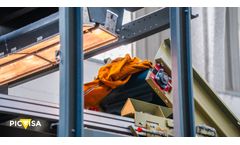
In contrast, dirty MRFs handle a mixed waste stream, where general solid waste is processed and recyclable materials are segregated through both manual and mechanical sorting. ...
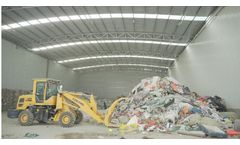
It is capable of processing an average of 100 tons of bulky waste and 800 tons of C&D waste per day, with an annual disposal capacity of 300,000 tons. It adopts "environmental protection + waste sorting + recycling resources" as its core and has pioneered the national sorting center and the ...
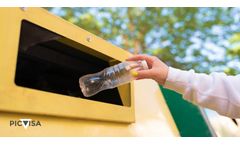
Debunking urban myths about recycling Fortunately, the majority of the population is aware of the importance of recycling waste, which, after all, is the result of human activity. ...

In India, e-waste recycling technologies are revolutionizing the way electronic waste is managed and processed. Here are seven key points exploring the various technologies driving e-waste recycling in the country: Automated Sorting Systems: Advanced automated sorting ...
ByEcoverva

On the other hand, mechanical recycling relies on sorting, cleaning, and melting plastic waste to produce new products. ...
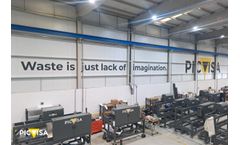
It is an automated process that uses cameras and artificial intelligence to identify and sort recyclable materials. Machine vision systems analyse images of the conveyor belt, detecting and sorting different types of waste accurately and quickly.What are the benefits of machine vision sorting? ...

The panorama in Europe is that, although the evolution of waste collection, sorting, and recycling is becoming more efficient day by day, the waste deposited in our city containers is also multiplying daily. ...

Reuse: Companies are adopting policies to reuse materials, extending the lifespan of products and components through repair, refurbishment, and reconditioning. Recycle: Proper waste sorting facilitates high-quality recycling, allowing materials to be efficiently processed and reintegrated into new production cycles. ...
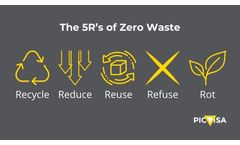
In the current context, where sustainability has become a cornerstone of business activity, understanding and applying the principles of the “Zero Waste” movement is crucial. This approach, grounded on the 5 R’s (Refuse, Reduce, Reuse, Recycle, and Rot), is especially pertinent at a time when businesses face newer and stricter regulations and societal expectations regarding ...
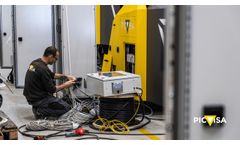
BEYOND THE PURCHASE: THE VALUE OF AFTER-SALES SERVICE IN THE RECYCLING SECTOR In the world of recycling and waste sorting, technology plays a crucial role. ...

Since November 2017 until July 2018, PICVISA has jointly developed with the Computer Vision Centre (CVC) of the Autonomous University of Barcelona (UAB) an artificial intelligence system based on deep learning algorithms for waste sorting and recycling. DEVELOPED WITH THE SUPPORT OF ACCIÓ This work was developed with the support of the ...
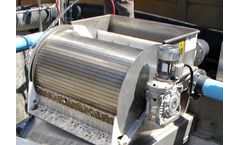
Drum Screen filters find applications across multiple industries such as water treatment plants (separating solids from liquids), mineral processing (classifying ores), solid waste management facilities (sorting recyclables), and composting sites (sieving organic matter), among others. ...

AUTOMATED TEXTILE WASTE SORTING TECHNOLOGY Automated textile waste sorting is a technology that uses cameras and sensors to identify and separate the different materials that make up textile waste. ...
Geographic Challenges To Recycling Panama, like many Central American countries, has experienced an increase in waste pollution during the past decade. But, much of this waste can be recycled when the trash is sorted by commodity and shipped to recycling centers. ...
A pyrolysis plant is a new sort of waste recycling plant which uses pyrolysis technology to convert waste tyres into fuel oil. ...
Encouraging the application of alternative energy sources such as hydrogen, biofuels and waste-derived fuels in the steel, cement, chemical and other industries will help reduce carbon dioxide emissions. ...
A pyrolysis plant is actually a new sort of waste recycling plant which uses pyrolysis technology to convert waste tyres into fuel oil. ...